Join us for the 62ⁿᵈ Annual Meeting of the Association for Tropical Biology and Conservation (ATBC), taking place in Xishuangbanna, Yunnan, China, from June 28ᵗʰ - July 3ʳᵈ, 2026! Guided by the theme “Achieving a Shared Ecological Civilization for Long-Term Resilience”, ATBC2026 will bring together scientists, students, conservation professionals, policymakers, and local communities from across the globe. Together, we will explore advances in tropical biology and conservation, exchange innovative ideas, and highlight the essential role of the tropics in shaping our collective future. Be part of this inspiring gathering in Xishuangbanna — where rich biodiversity, cultural heritage, and international collaboration meet!
Discussion Panel
30×30 in the Tropics: Beyond the Numbers

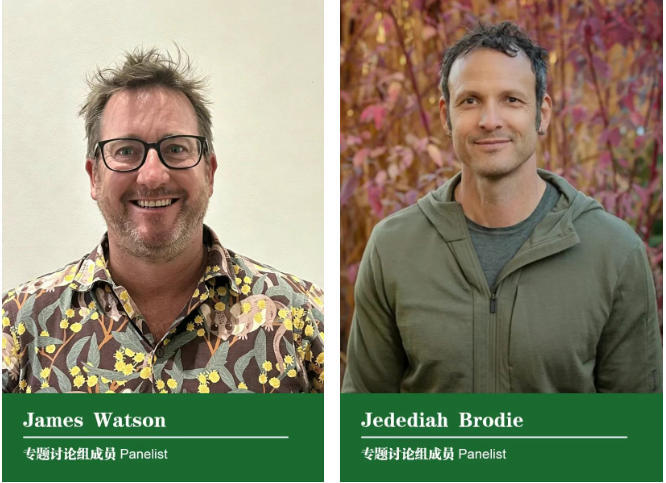
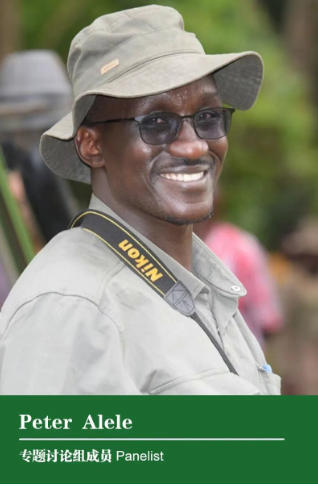
The global commitment to protect 30% of land and sea by 2030—known as the “30×30” target—is one of the most ambitious conservation goals ever adopted by the international community. Embedded in the Kunming-Montreal Global Biodiversity Framework, it represents a collective promise to halt biodiversity loss, safeguard ecosystem functions, and secure nature’s contributions to people (NCP). Yet for the tropics, which harbour the majority of the world’s terrestrial biodiversity and some of its most vulnerable human communities, 30×30 is not simply a numbers game. It forces hard questions about which lands get protected, how protection is enforced, and what counts as success.
The concept is important not only for global policy but also for frontline conservation science and practice in developing regions in the tropics. It tackles how a binding global target can drive national expansion of protected and conserved areas. It also raises critical questions: Are we expanding protection into places that truly matter for biodiversity or simply the cheapest and most politically convenient lands? How do we prevent “paper parks” from inflating progress while delivering little on the ground? Can the 30×30 framework respect Indigenous rights and local livelihoods, while engaging them equitably in the governance? How should we measure and safeguard the material and immaterial benefits that nature‑dependent communities derive from intact ecosystems? And in a rapidly changing climate, how do we design protected area networks that remain functional as connected landscapes?
The panel is moderated by Prof. Binbin Li (Duke Kunshan University) and brings together four leading experts: Prof. James Watson (University of Queensland), Prof. Carly Cook (Monash University), Dr. Peter Alele (Forest Stewardship Council) and Prof. Jedediah Brodie (University of Montana). Together, they will examine how 30×30 can move beyond counting hectares—toward quality, justice, and lasting impact for tropical biodiversity and people.
Discussion Panel
Concept, Practice, and Relevance for Global Conservation
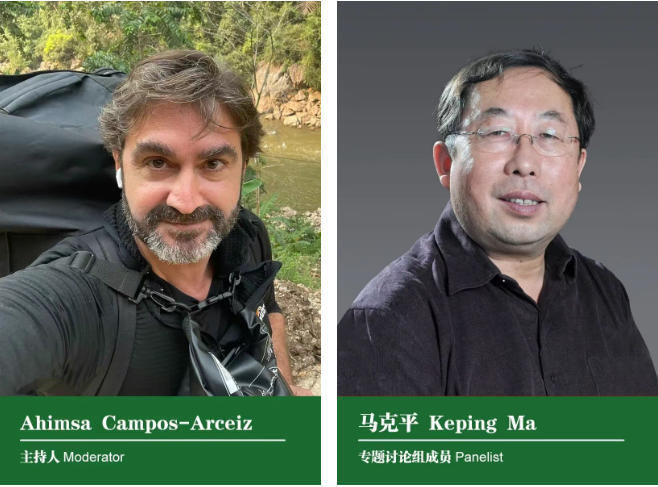

Ecological Civilization is one of the most influential environmental governance concepts in contemporary China. Rooted partly in Chinese philosophical traditions, it refers to a broad vision for reshaping the relationship between people and nature, placing ecological integrity, environmental quality, and human well-being at the center of development.
The concept is important not only for China but also for global biodiversity conservation. It offers an example of how a major country is attempting to integrate environmental priorities into national planning, governance, science, and public life. It also raises important questions: What has this framework achieved in practice? How has it changed conservation policy and implementation? What tensions or limitations remain? And which lessons may be relevant beyond China’s own cultural and political context?
We have chosen Ecological Civilization as the opening panel of ATBC 2026 because the conference brings together a global community of tropical biologists, conservation scientists, practitioners, and policy thinkers. This gathering provides an appropriate setting to examine how Chinese environmental thinking and conservation practice can contribute to broader international debates on biodiversity, sustainability, and human–nature coexistence.
The panel will be moderated by Prof Ahimsa Campos-Arceiz, PI of the Wildlife Interactions and Conservation team at the Xishuangbanna Tropical Botanical Garden, Chinese Academy of Sciences. It will bring together three leading voices in Chinese ecology and conservation, including two Academicians of the Chinese Academy of Sciences. Academician Fu Bojie will provide a perspective on Ecological Civilization as a governance framework linking landscapes, ecosystem services, and sustainable development. Academician Ma Keping will discuss its relevance for biodiversity science, conservation planning, protected areas, and China’s contribution to global biodiversity goals. Dr Hua Fangyuan will bring a complementary perspective on conservation practice, public engagement, communication, and emerging directions in ecological and conservation thinking in China. Together, they will examine how Ecological Civilization has shaped conservation thinking and practice in China, and what insights it may offer for human–nature coexistence more broadly.
For any questions related to this conference, please write to us at atbc2026@tropicalbiology.org


