The Third Southeast Asia Biodiversity Workshop was held at Xishuangbanna Tropical Botanical Garden (XTBG) from November 24 to 28. With the theme of “Conservation, restoration, and sustainable use of biodiversity in Southeast Asia”, it brought together over 100 experts and scholars from more than 30 institutions across 12 countries to discuss biodiversity conservation and foster cross-border collaboration.
The workshop was organized by the Southeast Asia Biodiversity Research Institute (SEABRI) of the Chinese Academy of Sciences (CAS).
Mr. Wang Zhenyu, deputy director general of CAS Bureau of International Cooperation, delivered a video speech at the opening ceremony. He emphasized that Southeast Asia is one of the world’s most biodiverse yet severely threatened regions, making conservation efforts urgently needed. He hoped that the symposium would foster deeper collaboration and contribute significantly to regional biodiversity protection.
The workshop showcased the rich natural heritage and cutting-edge research in Southeast Asia. 44 academic presentations were focused on animal and plant diversity, ethnobotany, forest resource conservation and management, habitat restoration, and sustainable use of biological resources.
The participants visited the living collections and science education facilities of XTBG. They also made a field visit to Huilong Village in Mengla County, learning local conservation practices for Parashorea chinensis and community-based ecotourism development.
At the closing ceremony, Prof. Xing Yaowu, director of XTBG and SEABRI, said that cooperation is the core of the workshop. He noticed that biodiversity in southeast Asia remains understudied and proposed to carry out more fundamental studies such as large-scale species genome sequencing. He called for elevated regional biodiversity conservation standards and encouraged all participants scholars to jointly apply for projects under the “Kunming Biodiversity Fund,” translating scientific collaboration into tangible conservation actions.
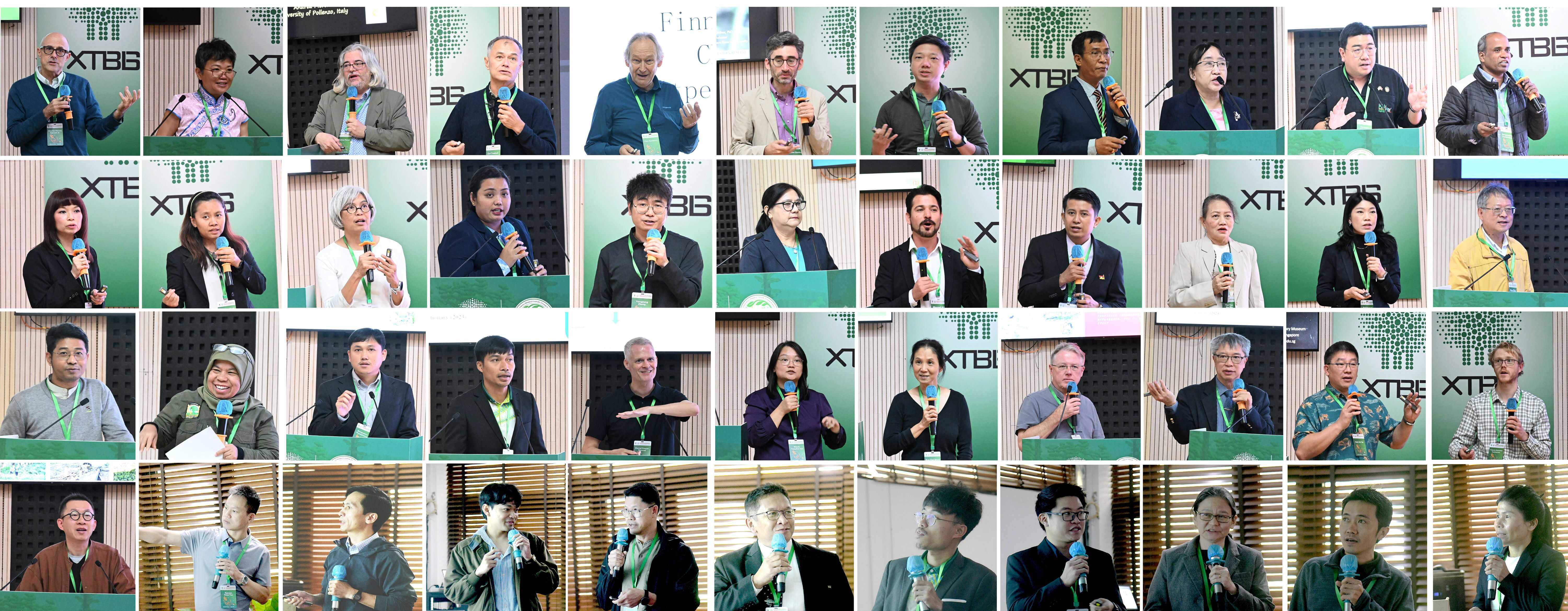
Speakers at the workshop.
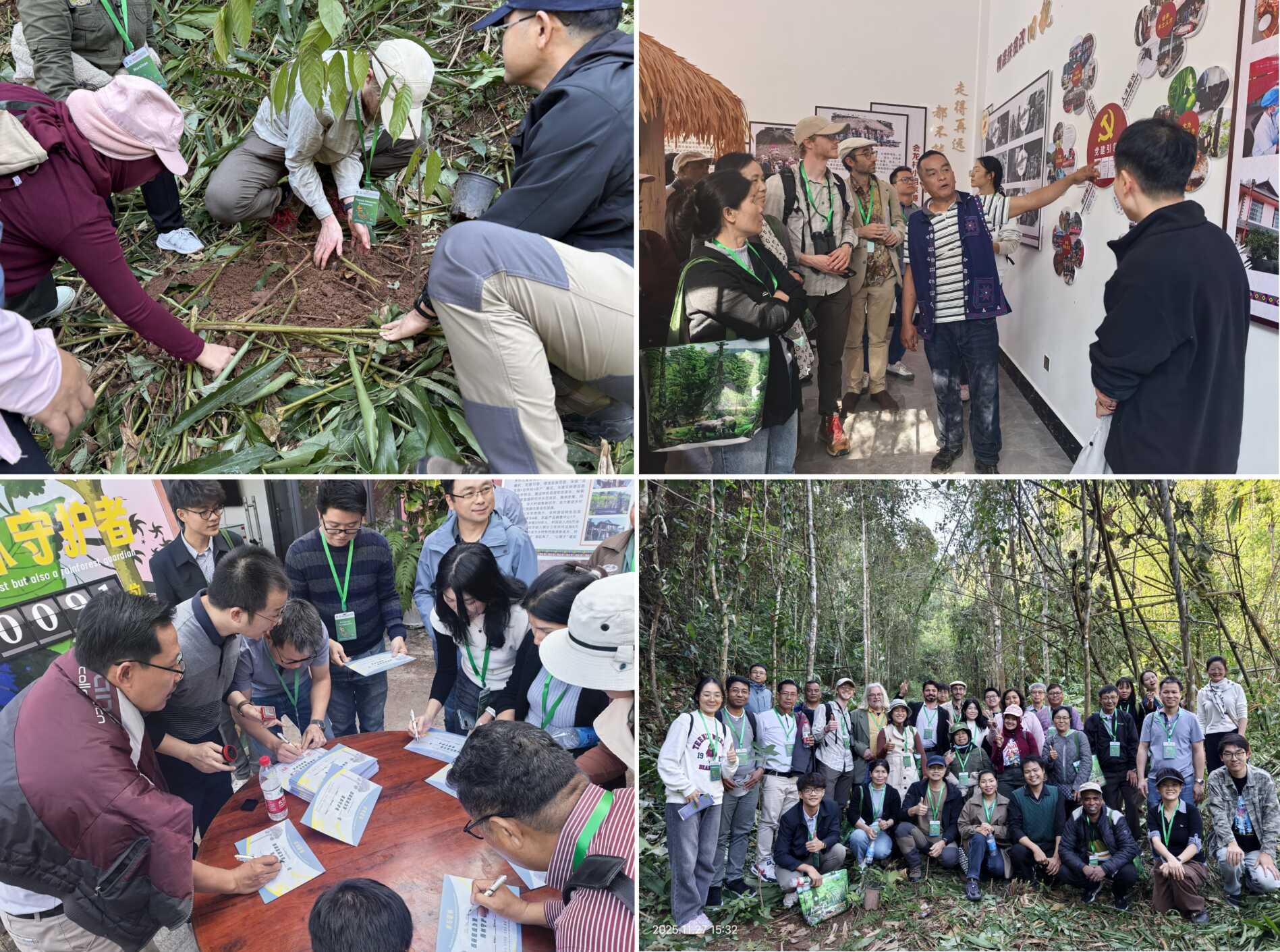
Field studies in Mengla.
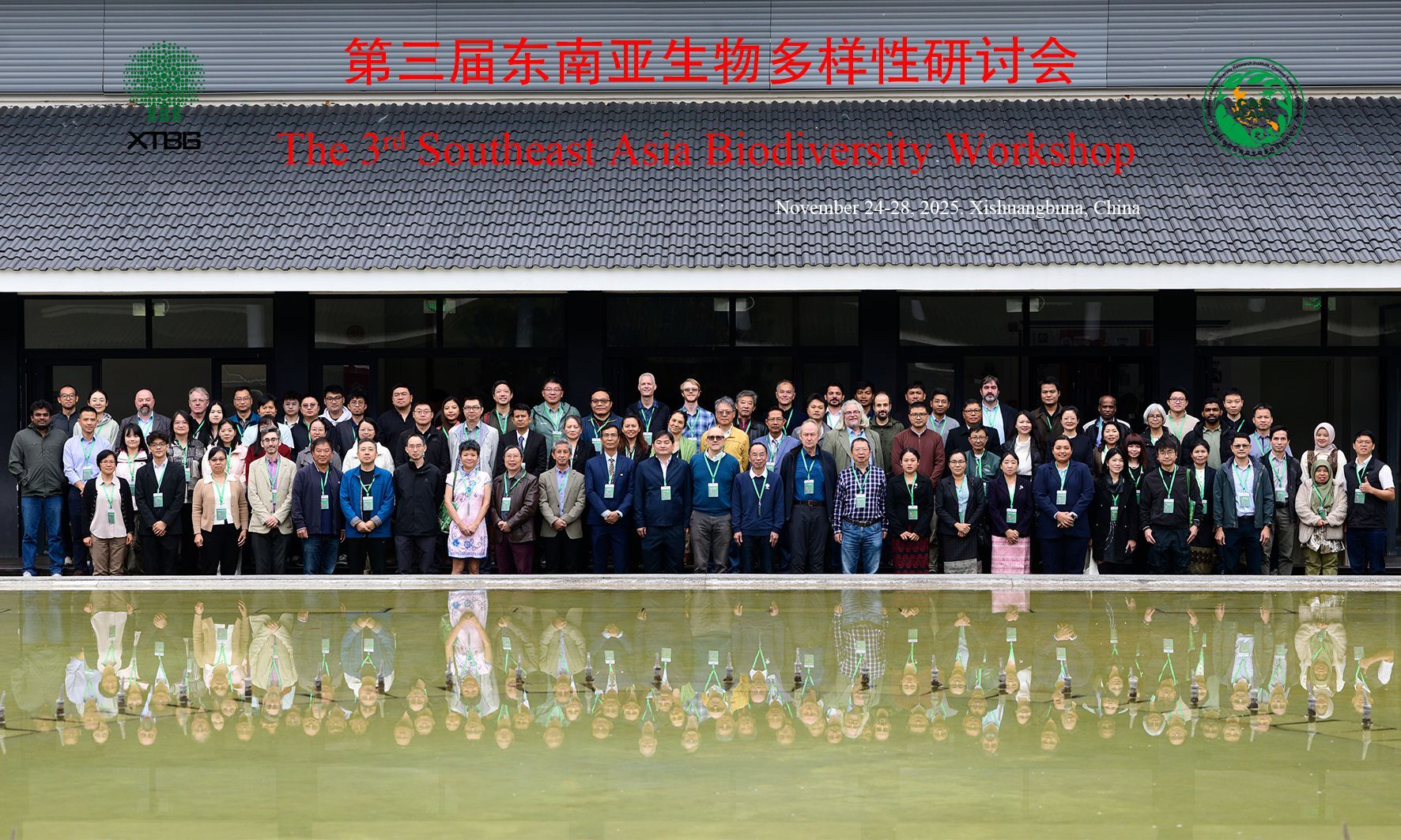
Participants pose a group photo.


