Sacha inchi (Plukenetia volubilis ), native to the Amazon, is cultivated for its seeds which are rich in omega-3, -6, and -9 fatty acids. However, its expansion, particularly in tropical regions of China like Yunnan and Hainan, is threatened by root rot caused by the fungus Fusarium oxysporum, often leading to plant death and reduced income farmers.
In a study published in Industrial Crops and Products, researchers from Xishuangbanna Tropical Botanical Garden (XTBG) of the Chinese Academy of Sciences showed that sterilizing planting holes and topsoil with quicklime can significantly increase the yield of Sacha inchi, while effectively suppressing root rot disease. The finding offers a sustainable cultivation strategy to support the healthy development of the Sacha inchi industry.
From 2020 to 2023, the researchers conducted a three-year randomized block field experiment to investigate the effects of different agronomic practices ( including monoculture control, intercropping with soybean, quicklime sterilization of planting holes and topsoil, sulfur fertilization, and plastic film mulching) on Sacha inchi yield and root rot disease control under tropical conditions.
Experiment result showed that sterilizing planting holes and topsoil with quicklime (calcium oxide) was the most effective. Quicklime worked through a potent dual action. Upon contact with soil moisture, it generated intense heat and created a highly alkaline environment, effectively disinfecting the soil by eliminating pathogens, weed seeds, and insect eggs. Subsequently, it improved the soil’s physicochemical properties for plant growth.
Compared with traditional cultivation methods, the quicklime treatment reduced the incidence of root rot by approximately 43% and lowered the abundance of harmful Fusarium fungi in the soil. Consequently, the seed yield increased remarkably by about 49%.
Moreover, the researchers found that quicklime treatment decreased available copper, zinc, manganese, and iron in soil. They suggested that a balanced supplementation of these micronutrients may be necessary to sustain the high yields over the long term.
“Quicklime sterilization provides a practical, low-cost, and chemical-residue-free strategy for managing soil-borne diseases. It represents a promising alternative to chemical pesticides and supports the sustainable development of the Sacha inchi industry,” said LIU Changan of XTBG.
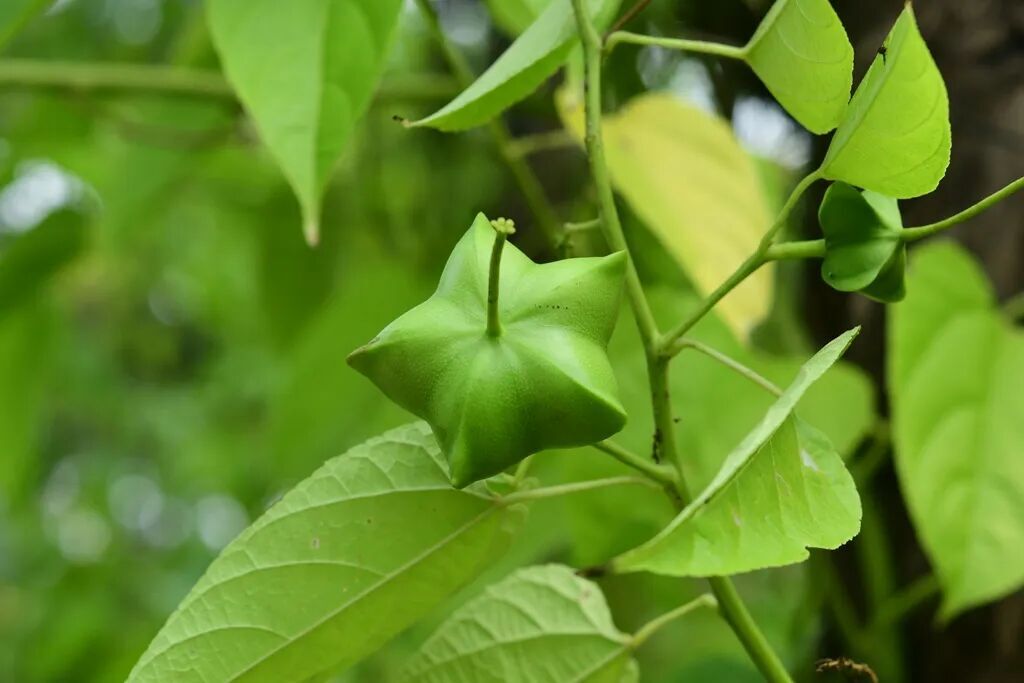
Sacha inchi (Image by XTBG)
Available online: 28 January 2026


