-
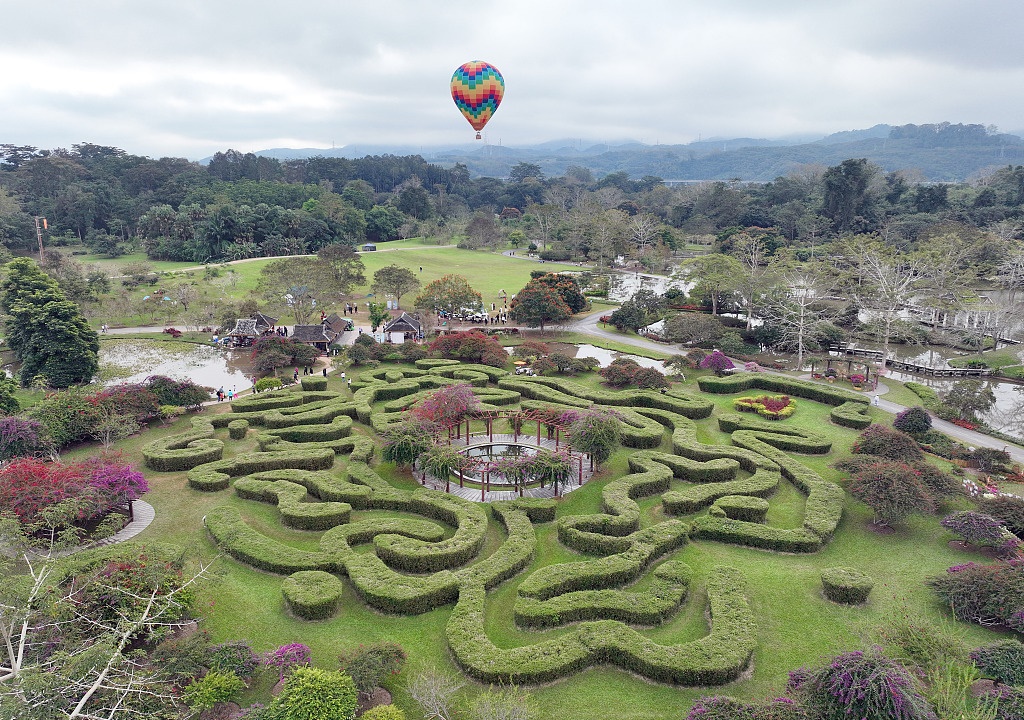
Popularity of Yunnan's winter study camps soars at Spring FestivalFeb 19, 2024
-
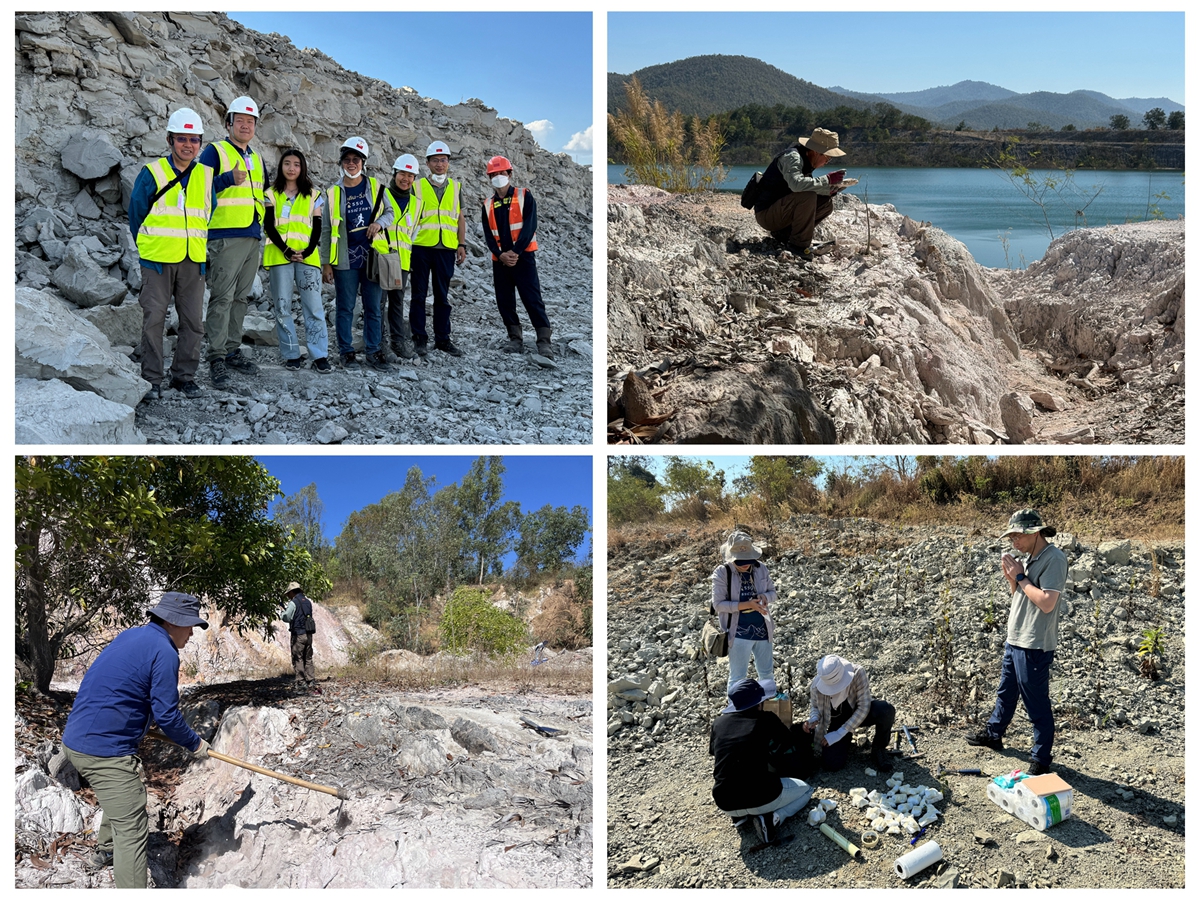
XTBG completes first joint investigation of the Cenozoic fossil plant group in ThailandFeb 01, 2024
-
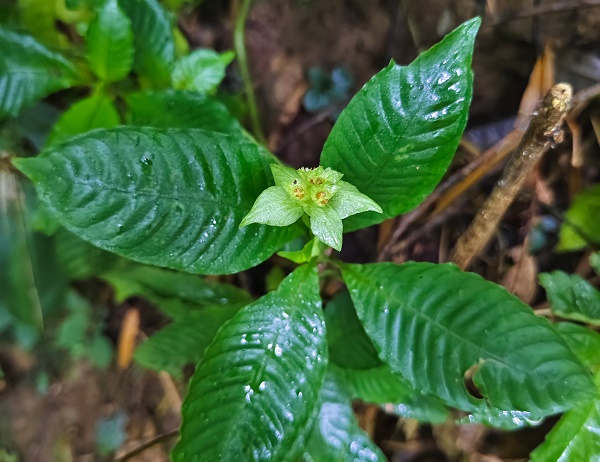
New Rubiaceae species found in Yuanyang, YunnanDuring a botanical expedition to Yuanyang Guanyinshan Provincial Nature Reserve, researchers from Xishuangbanna Tropical Botanical Garden (XTBG) collected an unknown Rubiaceae species. After extensive examination and comparison within allied groups, morphological comparison of related literature and herbarium specimens, they confirmed that the unknown species is new to science. The new species was named as Leptomischus bracteosus to refer to its distinct bracts. The result was published in Phytotaxa.Jan 29, 2024
-
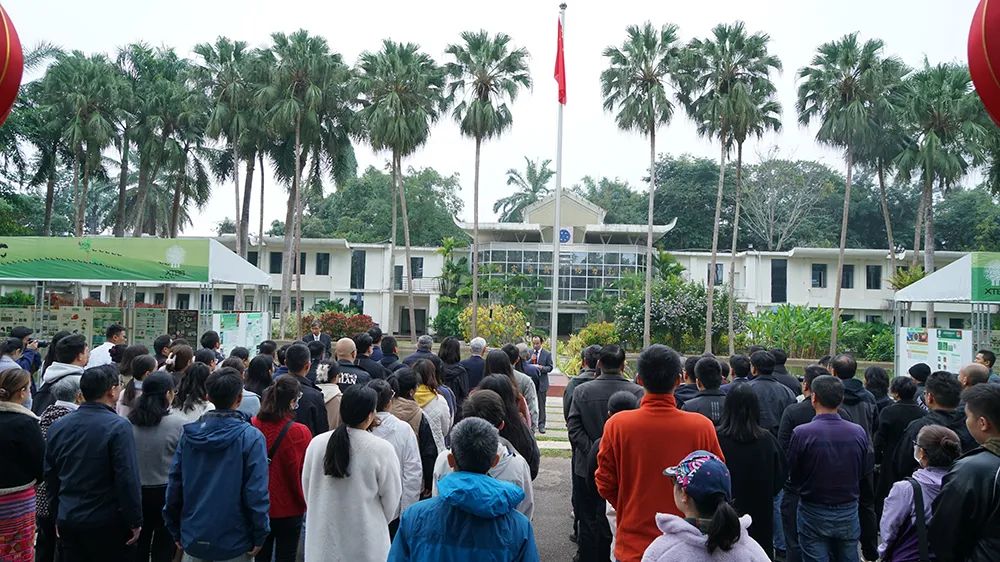
XTBG holds 65th anniversary celebrationJan 04, 2024
-
8th Advanced Course in Plant Taxonomy Research held at XTBGDec 18, 2023

-
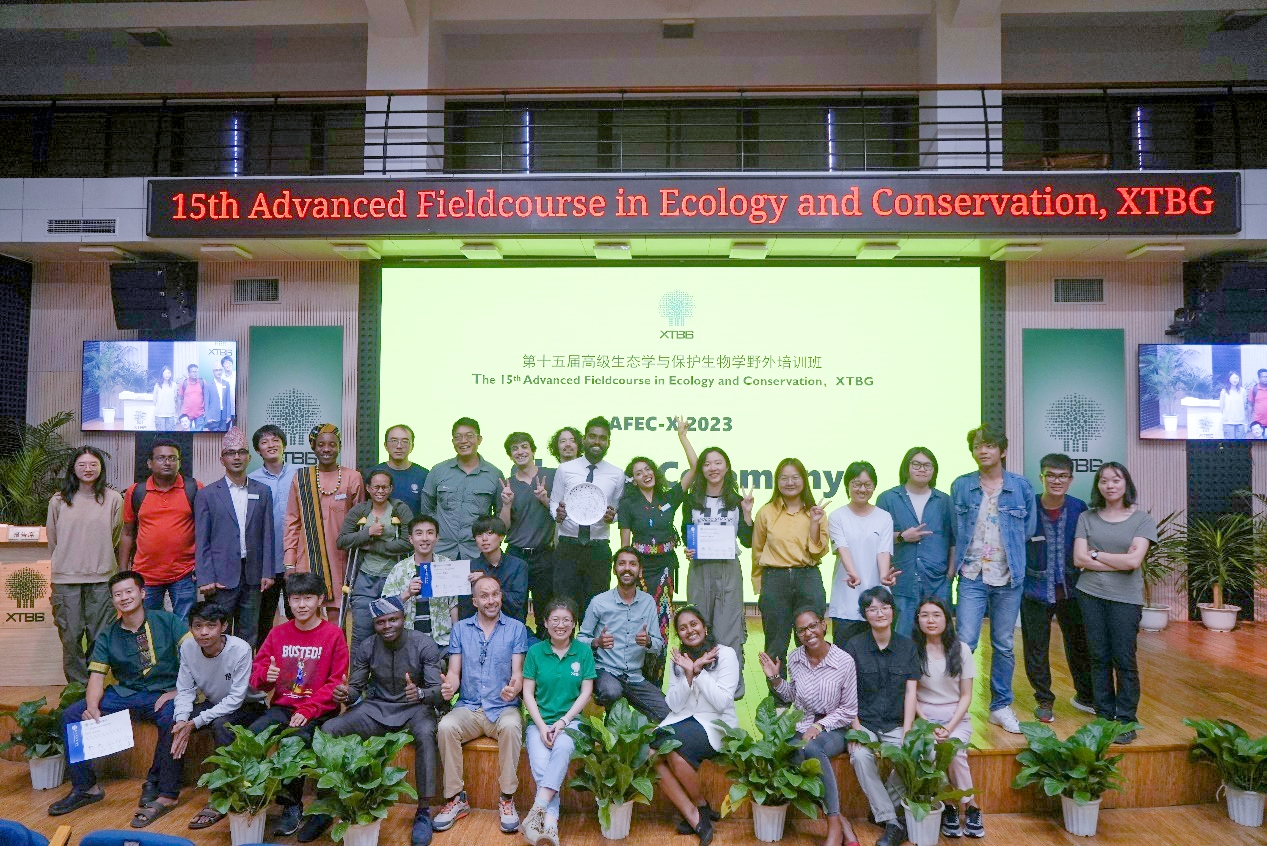
15th Advanced Field Course in Ecology and Conservation completed at XTBGDec 11, 2023
-
Ding Wenna supported by the 8th Future Women Scientists ProgramDec 08, 2023
-
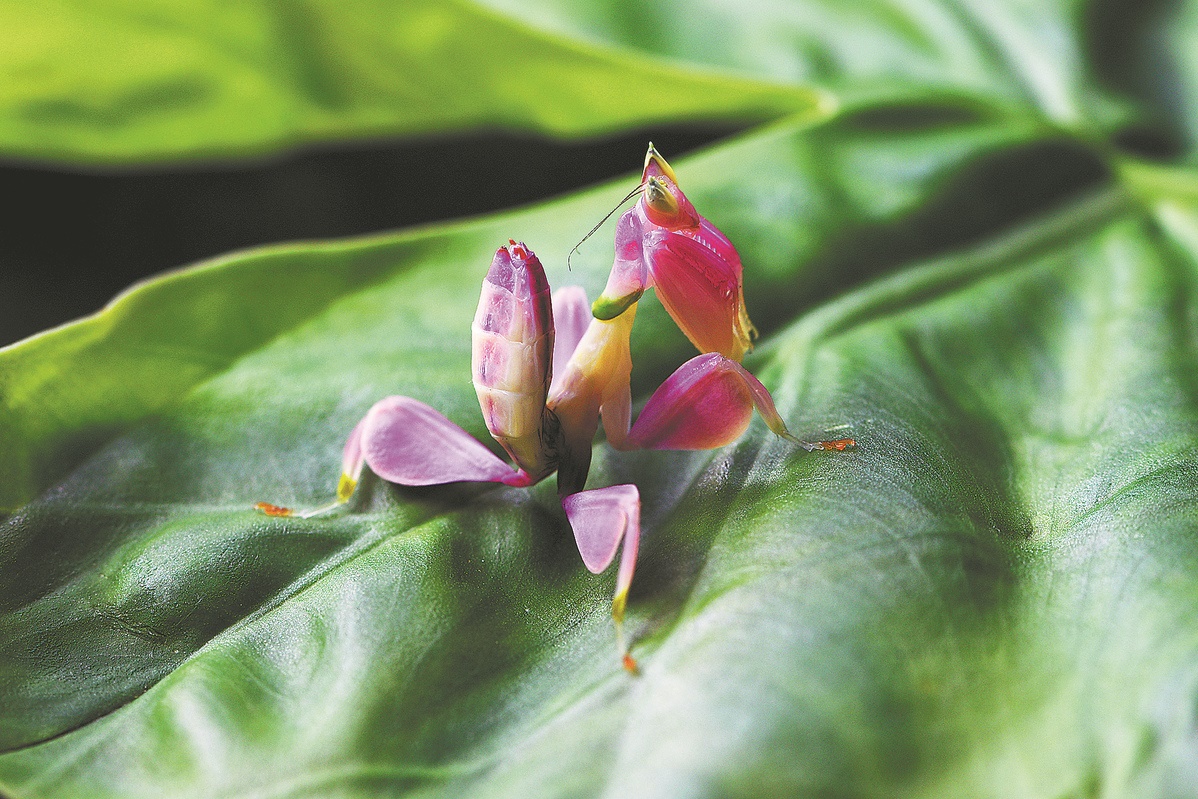
Orchid-like insect uses petal-shaped legs to glideThe orchid mantis, Hymenopus coronatus, is well-known for its specialized shape and color — like a pinkish white orchid flower — and has long been considered a fine example of floral mimicry. While some research had already confirmed that the masquerade helps the mantis attract prey, the function of its petal-shaped legs — actually two pairs of petal-like extensions on its middle and hind legs — remained uncertain.Dec 07, 2023
-
2023 Academic Annual Conference of XTBGDec 06, 2023

-
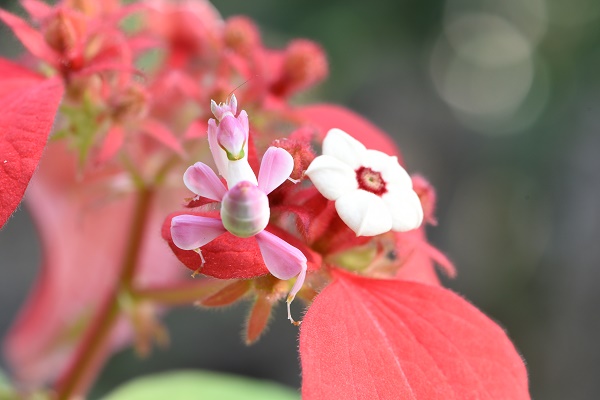
Orchid mantis' petal-shaped legs serve as structure for gliding: researchChinese scientists have found that orchid mantises, hailed as a classic example of flower mimicry, use their petal-shaped legs for gliding. The study led by the Xishuangbanna Tropical Botanical Garden (XTBG) of the Chinese Academy of Sciences challenges the long-held belief that these winged legs, or femoral lobes, mimic flowers to attract their pollinating prey.Nov 30, 2023
-
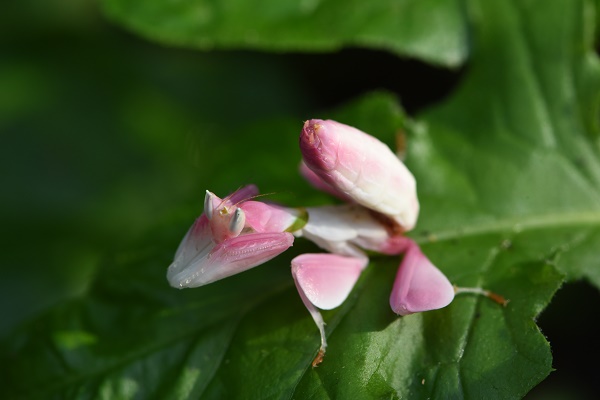
Orchid mantises: unveiling structural basis of their unprecedented gliding abilityIn a study published in Current Biology, researchers from the Xishuangbanna Tropical Botanical Garden (XTBG) of the Chinese Academy of Sciences, together with their collaborators, revealed a groundbreaking discovery: Morphology of the orchid mantis’s petal-shaped femoral lobes actually serves as structures for gliding, rather than the long-held belief that these lobes mimic flowers to attract pollinating prey.Nov 30, 2023
-
Directorate meeting 2023 of two CAS overseas centers heldNov 27, 2023