-
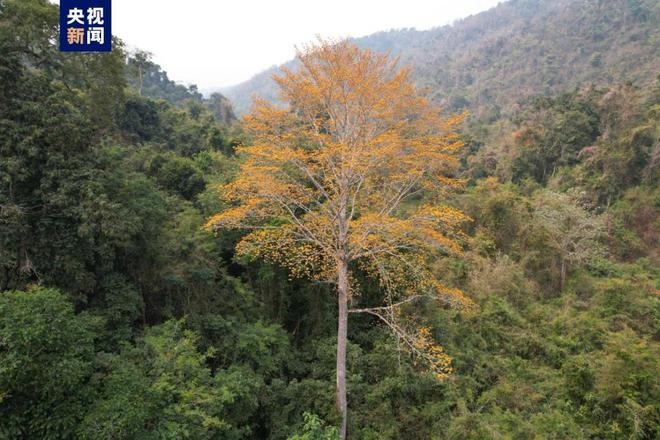
Researchers discover exotic, rare plant speciesChinese researchers have discovered several new exotic and rare species of flora. On Sunday, scientists from the Chinese Academy of Sciences' Xishuangbanna Tropical Botanical Garden announced they had discovered a tree with funnel-shaped, red-orange flowers called Pterocymbium macranthum in southwestern China's Yunnan province.Mar 24, 2023
-
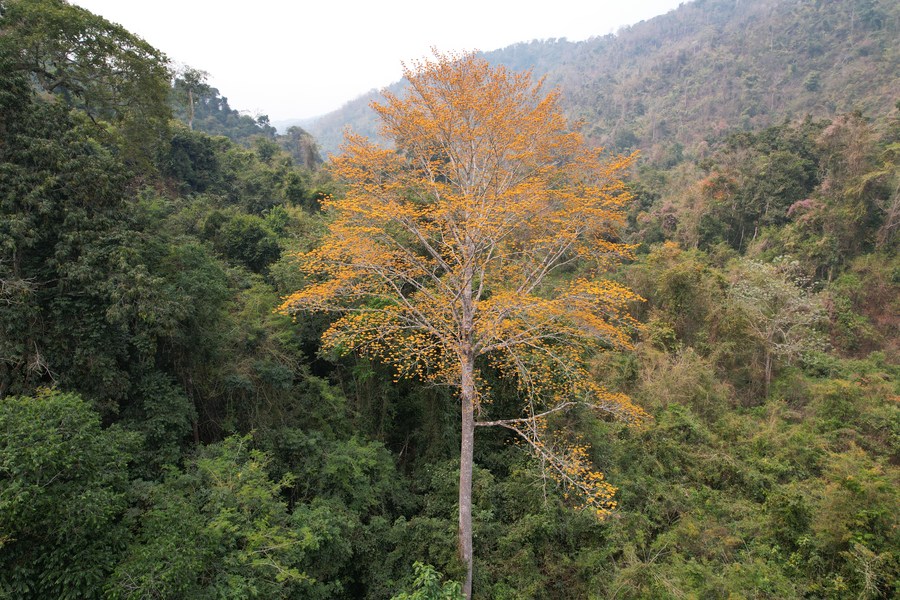
Pterocymbium macranthum found for first time in ChinaPterocymbium macranthum has orange-yellow to orange-red gradient flowers and a trunk that can grow up to 35 to 45 meters in height, according to TAN Yunhong, a professor at the Xishuangbanna Tropical Botanical Garden of the Chinese Academy of Sciences.Mar 20, 2023
-
CAS academician Yu Guirui visits XTBGMar 17, 2023

-
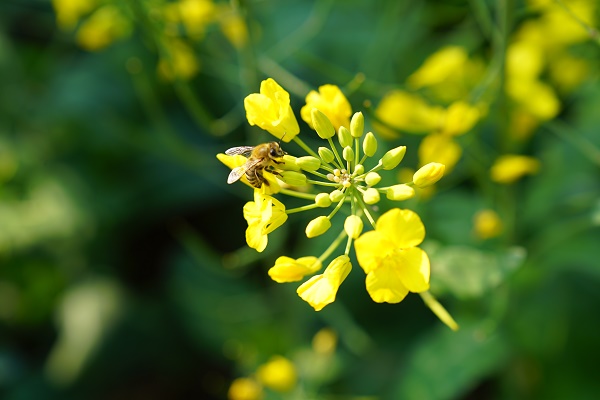
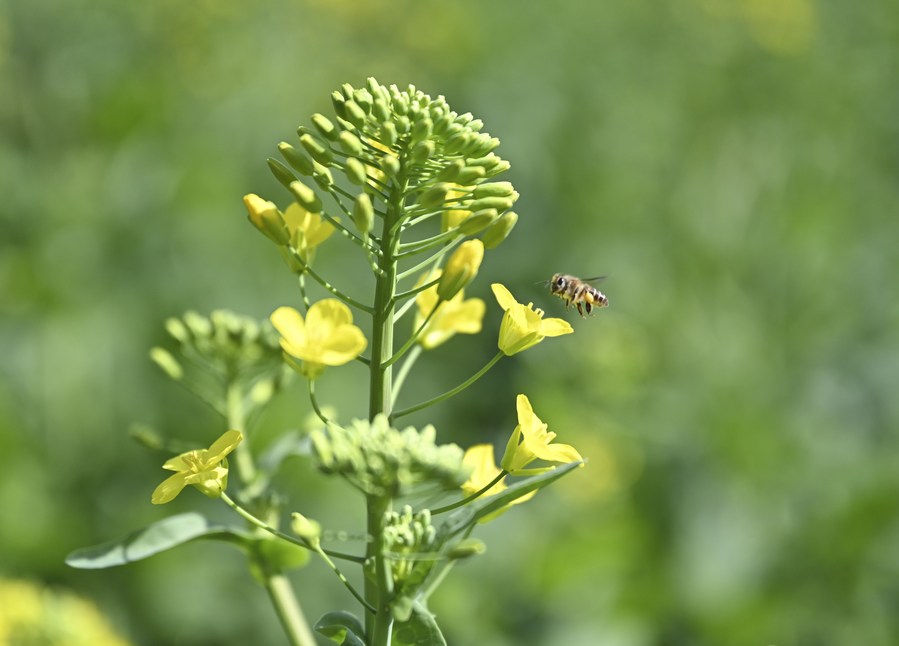
Honey bees use social signal learning to improve waggle dancing: studyChinese researchers have discovered that honey bees must learn the waggle dance from adult bees at an early age to accurately transmit information. Honey bees use a complex form of spatial referential communication. Their "waggle dance" communicates the direction, distance, and quality of a resource to nestmates by encoding celestial cues, retinal optic flow, and relative food value into motion and sound within the nest.Mar 15, 2023
-
Delegation of Lao Culture and Tourism Company visits XTBGMar 14, 2023

-
XTBG forges partnership with Qingdao Agricultural UniversityMar 14, 2023

-
Ecological Conservation: what does China do differently?Ahimsa Campos-Arceiz, professor and principal investigator of Megafauna Ecology and Conservation Group at Xishuangbanna Tropical Botanical Garden, and Li Yuhan, team leader of Yangtze Delta Region Office at Shan Shui Conservation Center shared their experiences and what they have witnessed from different countries.Mar 10, 2023

-
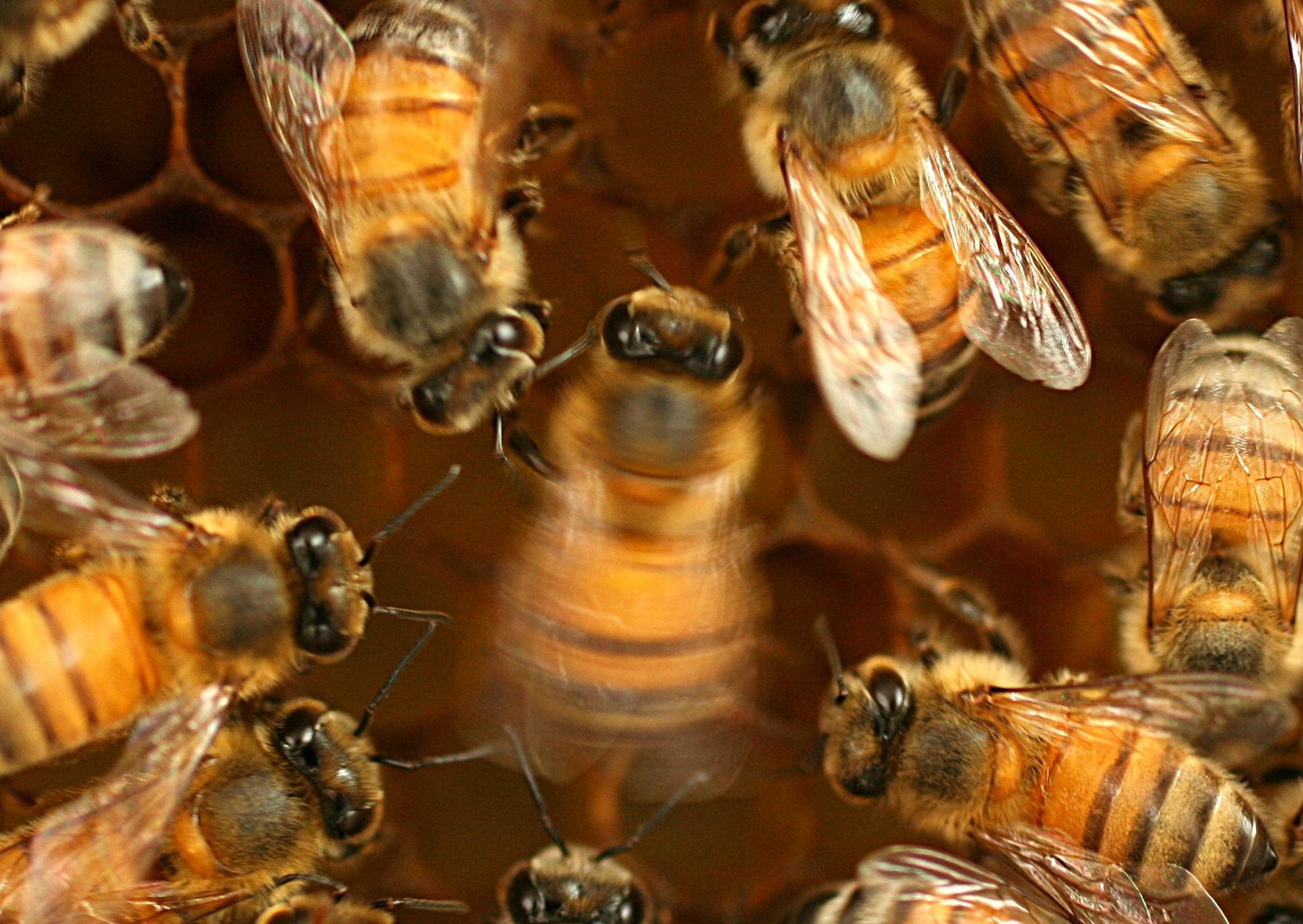
Complex Learned Social Behavior Discovered in Bee’s ‘Waggle Dance’Mar 10, 2023
-
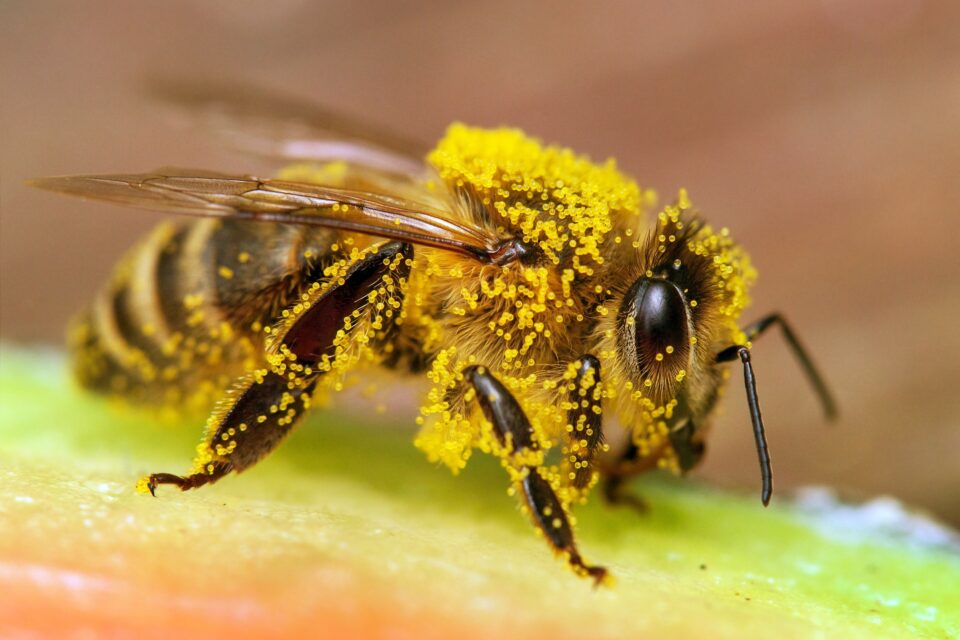
Honey bees refine their dancing skills by watching othersMar 10, 2023
-
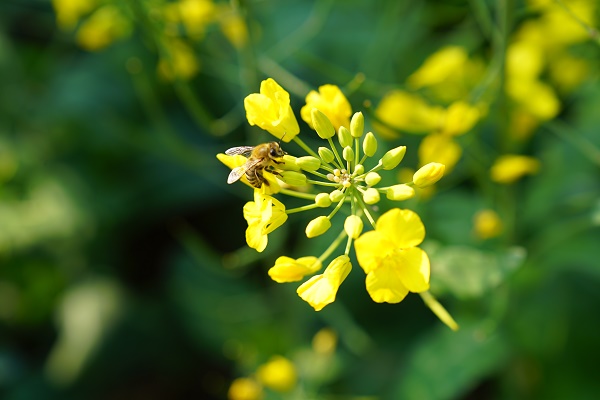
Young Honey Bees Learn Waggle Dancing by Observing Older Bees, just like Kids Follow Their DadResearchers from the University of California San Diego and the Xishuangbanna Tropical Botanical Garden (XTBG) of the Chinese Academy of Sciences have shown that honey bees employ social signal learning to boost their ability to waggle dance in a study that was published in Science today.Mar 10, 2023
-
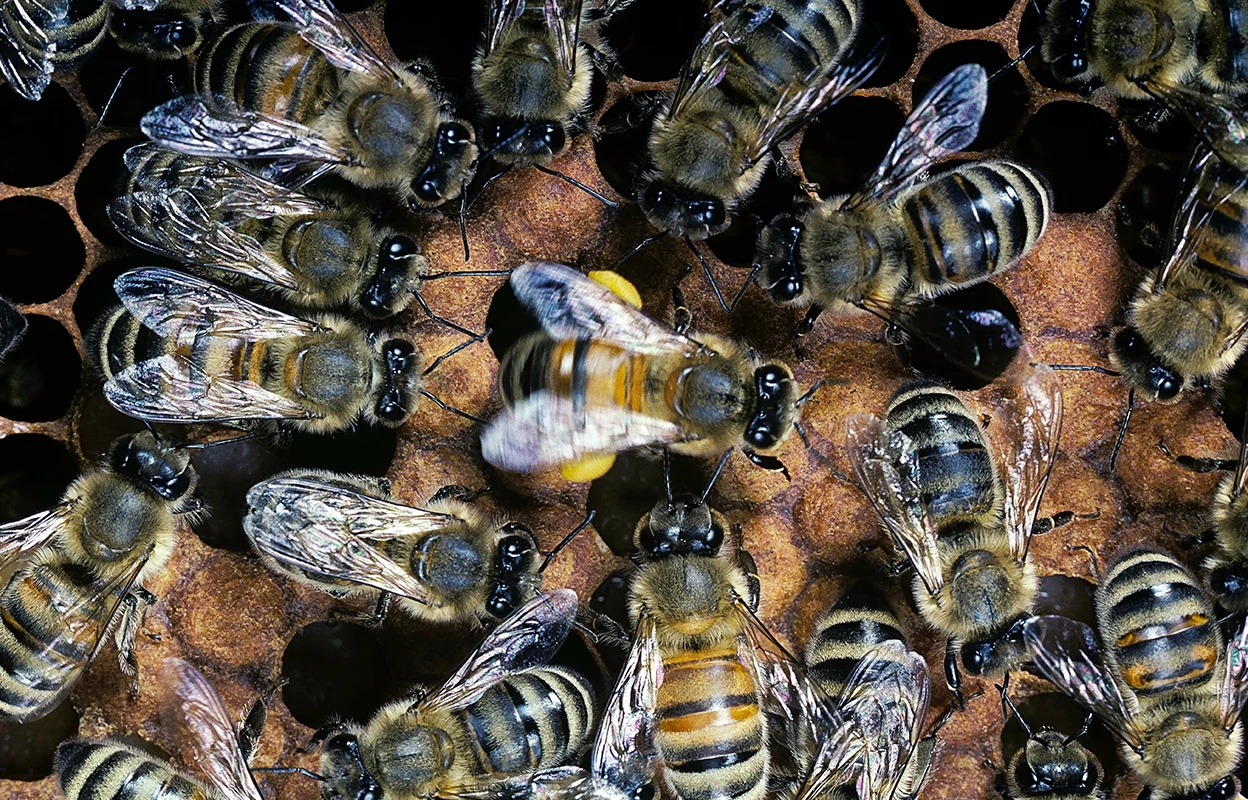
Watch them waggle: bees dance better after lessons from eldersMar 10, 2023
-
Honey bees use social learning to improve waggle dancingYoung honey bees follow dances of older bees to improve performance In a study published in Science, researchers from the Xishuangbanna Tropical Botanical Garden (XTBG) of the Chinese Academy of Sciences and the University of California San Diego have shown that honey bees use social signal learning to improve their ability to waggle dance.Mar 10, 2023