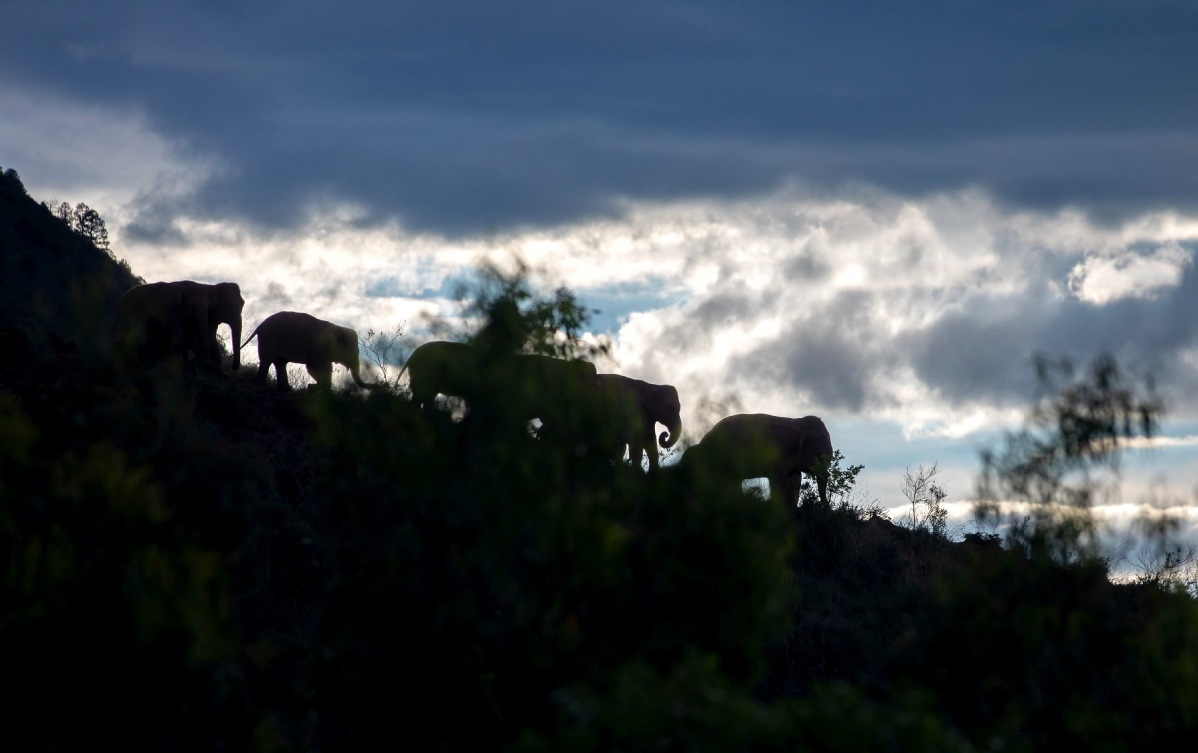
-
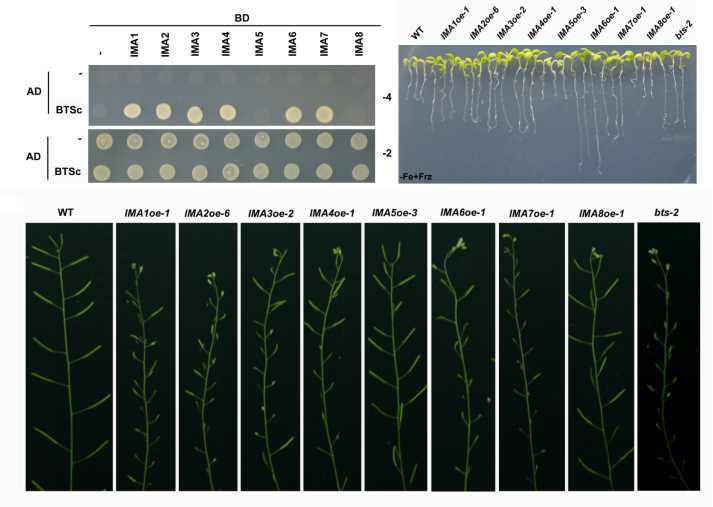
How do IRON MAN peptides regulate Fe homeostasis in Arabidopsis?In a study published in PNAS, researchers from the Xishuangbanna Tropical Botanical Garden (XTBG) of the Chinese Academy of Sciences have clarified the molecular mechanism underlying the roles of IRON MAN (IMA, a class of small peptides controlling Fe transport in plants) in regulating the response of Arabidopsis thaliana to Fe deficiency. They showed that IRON MAN interacts with BRUTUS to maintain iron homeostasis in Arabidopsis.Sep 22, 2021
-
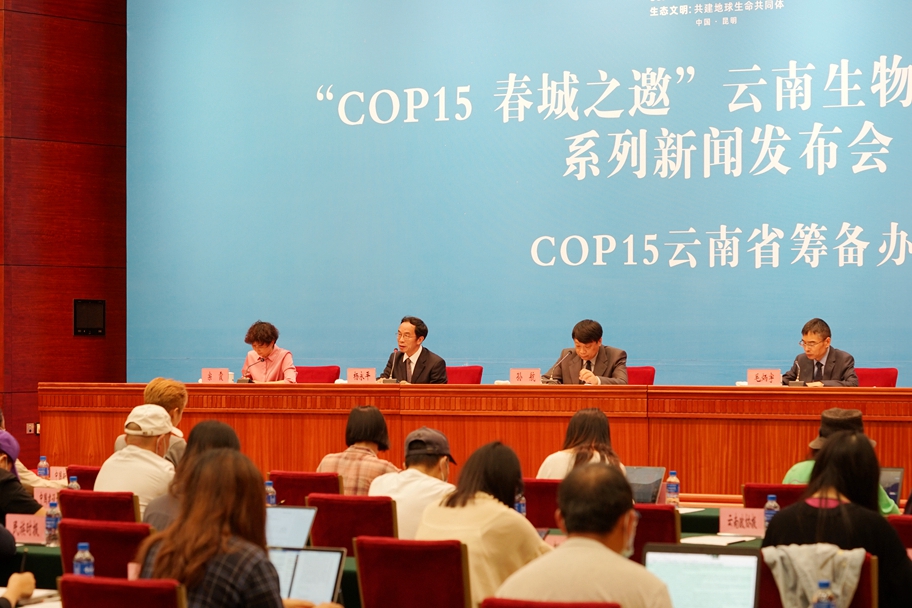
More than 700 new species of animals and plants have been discovered in the China-Myanmar, China-Laos joint scientific expeditionAccording to Yang Yongping, director of the Xishuangbanna Tropical Botanical Garden of the Chinese Academy of Sciences (hereinafter referred to as "Banna Botanical Garden"), in 2015, the Chinese Academy of Sciences relied on the Banna Botanical Garden to establish the Southeast Asia Biodiversity Research Center based in Myanmar.Sep 16, 2021
-
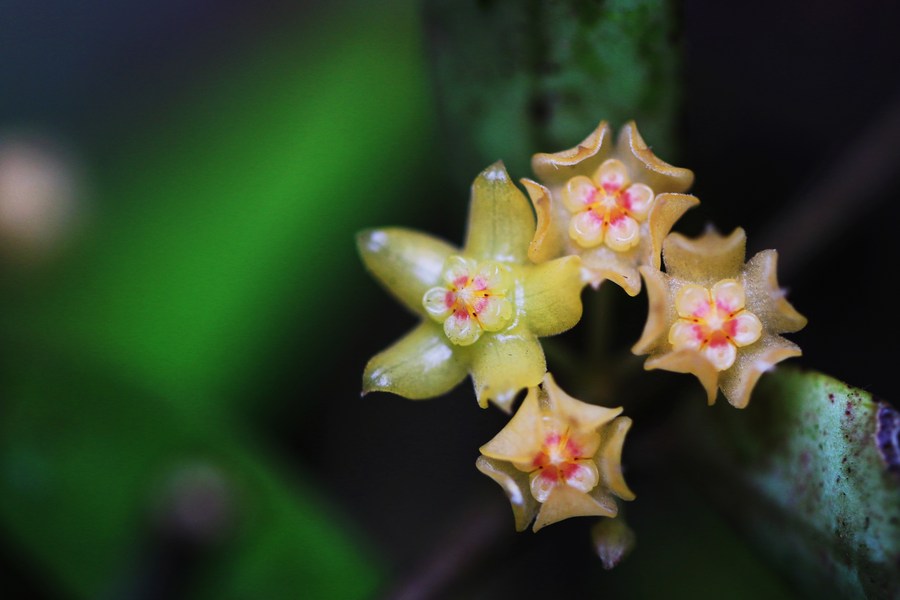
Southwest China reports new distribution area of rare plant-- A cluster of Hoya burmanica Rolfe, a rare plant species, has been spotted in its new distribution area in southwest China's Yunnan ProvinceSep 10, 2021
-
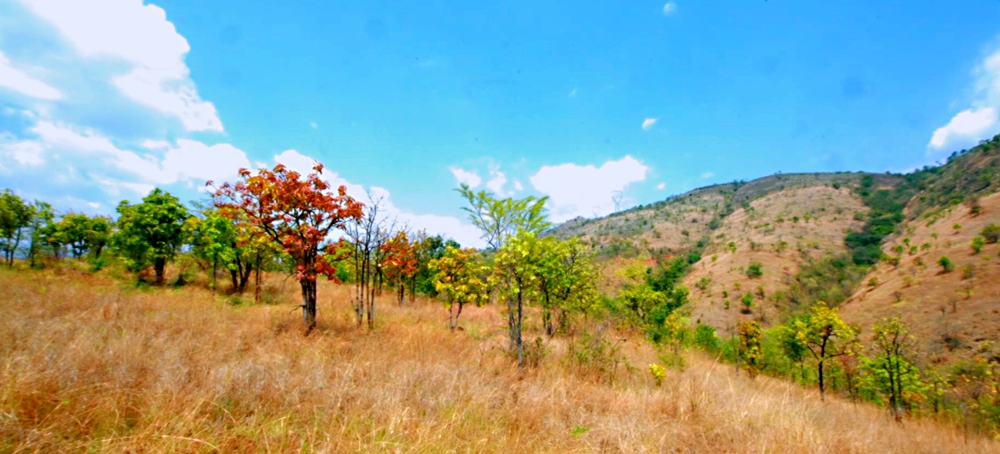
Shrubs are most vulnerable to extreme drought in savannasIn a study published in Ecology Letters, researchers from Xishuangbanna Tropical Botanical Garden (XTBG) and their collaborators showed that drought-induced branch dieback and top-kill were largely explained by plant hydraulic traits, but the prediction power largely depended on leaf habit and growth form in savanna ecosystems..Aug 23, 2021
-
Research finds sulfur amendments can mitigate soil contaminationResearchers have demonstrated that sulfur amendments can enhance the heavy metal uptake by plants and promote soil remediation.Aug 12, 2021
-
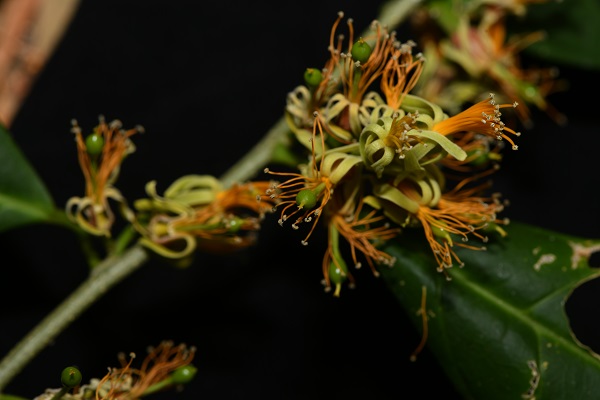
New plant species discovered in SW ChinaScientists have discovered a new species of Resedaceae in southwest China's Yunnan Province and named it Stixis yingjiangensis.Aug 11, 2021
-
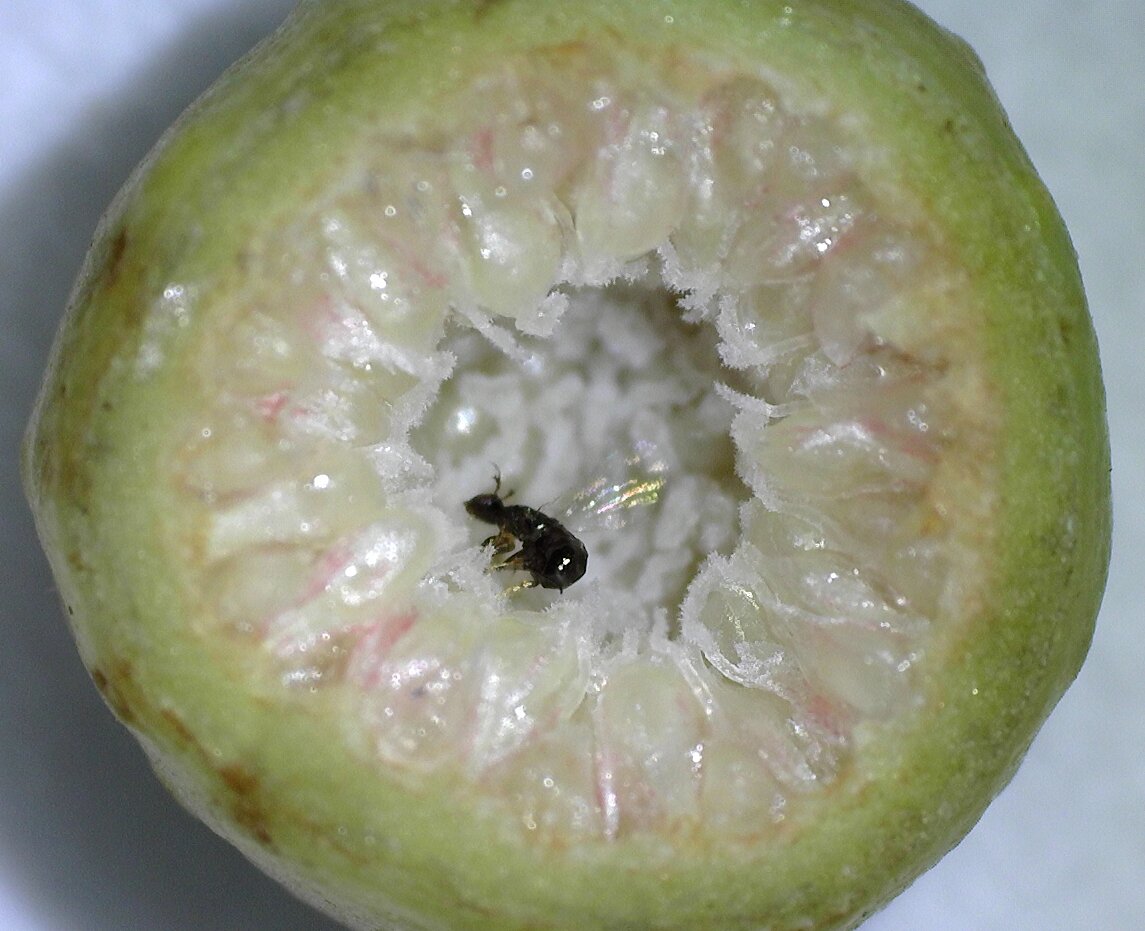
Punishment enforces 'cooperation' in the fig-wasp mutualism: The exception proves the ruleAug 06, 2021
-
Effective “host sanctions” make fig wasp cheating rareIn a new study published in PNAS, researchers from Xishuangbanna Tropical Botanical Garden (XTBG) of Chinese Academy of Sciences (CAS) and the Smithsonian Tropical Research Institute (STRI) in Panama discovered that the lack of sanctions in the local hosts promotes the loss of specialized morphologies and behaviors crucial for pollination and, thereby, the evolution of cheating in fig-wasp mutualism.Aug 05, 2021
-
Spanish expert's view on how to solve human-elephant conflictJul 02, 2021
-
Chinese government has done excellent job about wandering elephants: expertJose Ahimsa Campos Arceiz, a Spanish professor at the Xishuangbanna Tropical Botanical Garden of the Chinese Academy of Sciences, spoke highly of the Chinese government's efforts in handling the elephants.Jul 02, 2021
-
The Party Profile - Paleobotanist Su TaoJul 01, 2021

-
Wandering elephants unlikely to return home soon, experts sayIn an interview with People's Daily, Ahimsa Campos-Arceiz, a researcher with the Chinese Academy of Sciences' Xishuangbanna Tropical Botanical Garden, not only commended the performance of governments in escorting the herd while ensuring people's safety, but also the country's achievement in protecting the endangered species.Jun 22, 2021