-
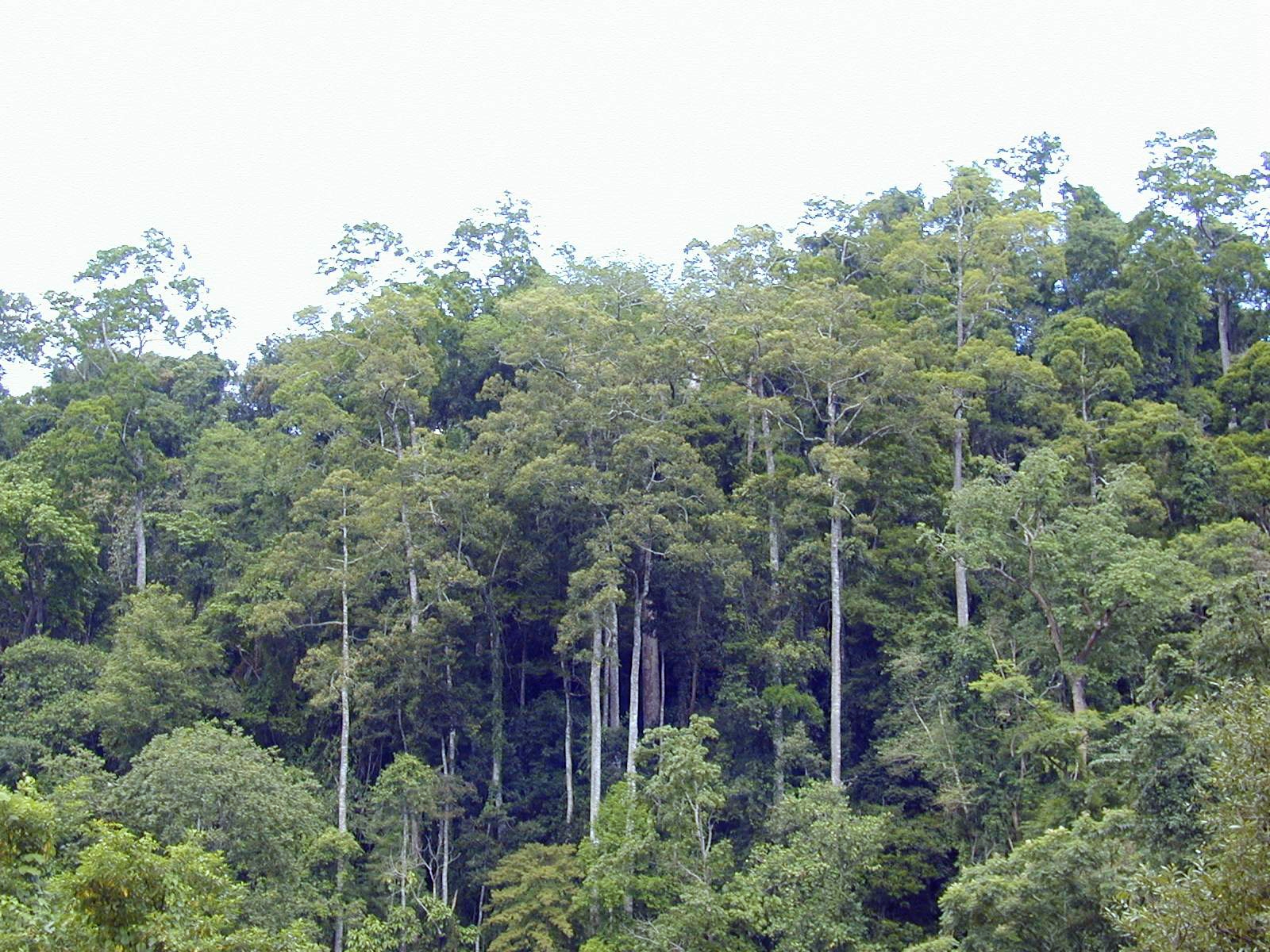
Collaborative transboundary conservation enforcement is urgently neededIn a study published in Conservation Biology, researchers from Xishuangbanna Tropical Botanical Garden (XTBG) tried to identify priority transboundary areas for conservation and restoration, by integrating species distribution patterns and recent land-use change, with an emphasis on the change of landscape connectivity for natural forest in the transboundary region.Apr 13, 2021
-
Rare plant species discovered in central ChinaChinese researchers have discovered a new species of Apocynaceae in central China's Hubei Province and published their finding in the journal Taiwania.Mar 18, 2021
-
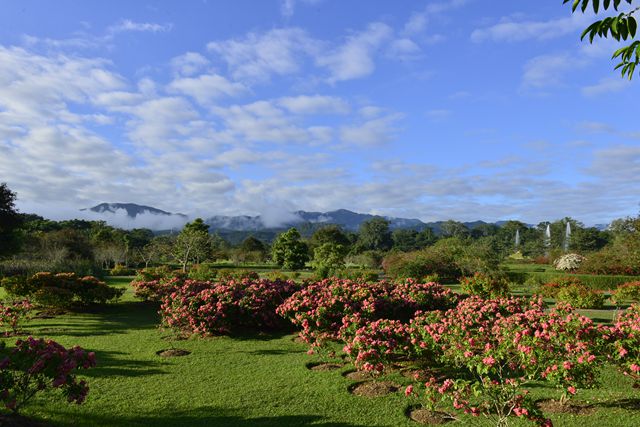
Tropical garden major player in ecological outreachEnvironmental protection and tackling climate change have been listed as one of China's focal points for international cooperation and achieving green development in the coming years, Huang Runqiu, minister of ecology and environment, said during the Davos Agenda of the World Economic Forum, which concluded last month. A key player in those efforts is the Xishuangbanna Tropical Botanical Garden of the Chinese Academy of Sciences. The garden is one of the academy's premier institutions for international cooperation on environmental and biodiversity research.Feb 09, 2021
-
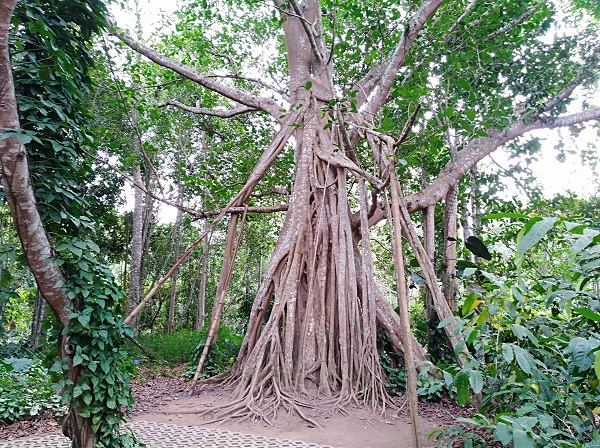
Pollinator host-switches and fig hybridization dominate fig–wasp coevolutionTogether with colleagues from 11 institutions from home and abroad, researchers from the Xishuangbanna Tropical Botanical Garden (XTBG) of the Chinese Academy of Sciences have recently shown that the fig hybridization mediated by pollinator host-switching in the obligate fig–wasp pollination system is more common than previously thought. The study was published in Nature Communications.Feb 03, 2021
-
14 Botanic Gardens Awarded Grant to Preserve Global Plant BiodiversityFeb 02, 2021
-
Scientists investigate the mysterious origin of flowering plantsFor their investigation, the researchers used complex modeling to analyze a large global database of fossil occurrences. The database was compiled by Dr. Yaowu Xing and his team at the Xishuangbanna Tropical Botanical Garden based on more than 700 publications.Feb 01, 2021

-
New study unravels Darwin's 'abominable mystery' surrounding origin of flowering plantsNow a team of scientists from Switzerland, Sweden, the UK, and China may have solved the puzzle. Their results show flowering plants indeed originated in the Jurassic or earlier, that is millions of years earlier than their oldest undisputed fossil evidence, according to a new study published in the scientific journal Nature Ecology & Evolution. The lack of older fossils, according to their results, might instead be the product of low probability of fossilization and the rarity of early flowering plants.Jan 29, 2021
-
The Second International Symposium of Mapping Asia Plants Held OnlineJan 28, 2021
-
Growth of Northern Tibet proved the key to East Asian biodiversityIn a recent study published in Science Advances, a joint research team led by scientists from Xishuangbanna Tropical Botanical Garden (XTBG) of the Chinese Academy of Sciences, the University of Bristol (UK) and the Open University (UK) has revealed the first direct mechanism explaining how the growth of mountains in Northern Tibet drastically altered climate, vegetation and plant diversity in East Asia.Jan 28, 2021

-
Beijing sets sights on scienceRichard Corlett, a professor at CAS's Xishuangbanna Tropical Botanical Garden, said China has a positive attitude toward science and sustainable development, highlighted by the country's strong emphasis on basic research and environmental protection.Jan 26, 2021
-
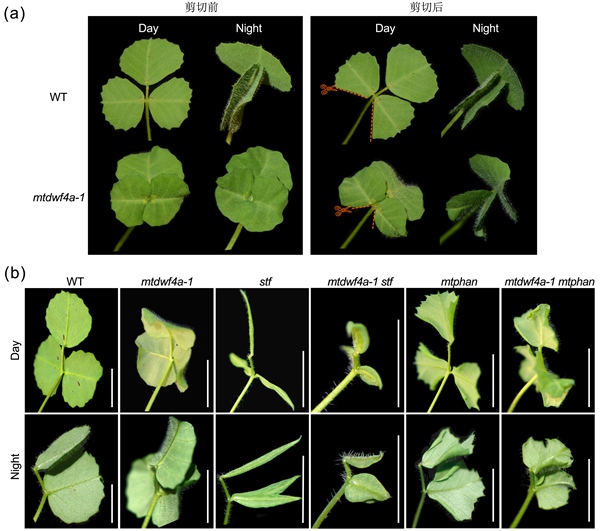
Proper geometry of leaflets is important for their movement in legumesIn a study published in New Phytologist, Prof. CHEN Jianghua’s team of Xishuangbanna Tropical Botanical Garden (XTBG) performed a large-scale forward genetic screening and whole‐genome resequencing in Tnt1 retrotransposon-tagged mutant populations of the model legume Medicago truncatula. They found that two allelic mutants of M. truncatula with unclosed leaflets at night were impaired in MtDWFARF4A (MtDWF4A), a gene encoding a cytochrome P450 protein orthologous to Arabidopsis DWARF4.Jan 20, 2021
-
GLOBALink | How to protect "One Planet": Greater efforts on biodiversity, climate changeJan 13, 2021
