"Double Mutualist" Birds Are Key to Mistletoe Reproduction
Mistletoes are considered keystone species because they provide diverse floral and fruit resources for birds, supporting mutualistic interactions in pollination and seed dispersal. Some bird species act as double mutualists by performing both functions, but their precise roles and effectiveness have remained poorly understood.
In a study published in Ecosphere, researchers from Xishuangbanna Tropical Botanical Garden (XTBG) of the Chinese Academy of Sciences found that some bird species act as “double mutualists” for a common mistletoe, both pollinating its flowers and dispersing its seeds. These double mutualists play a highly effective role in mistletoe reproduction.
The study focused on the dual mutualism between the parasitic mistletoe Dendrophthoe pentandra and its avian partners, in which certain bird species simultaneously perform pollination and seed dispersal.
The researchers conducted 690 hours of video-recorded observations at three sites, documenting avian visitors to common mistletoe during flowering and fruiting. They recorded 833 visits by 13 bird species from eight families. Eleven species probed flowers, accounting for 528 visits, while seven species consumed fruits, accounting for 43 visits. Three species (Dicaeum minullum, Dicaeum ignipectus and Zosterops simplex) were identified as double mutualists because they visited the plants during both flowering and fruiting phases. These double-mutualist birds accounted for 87.5% of flower visits and 95.5% of fruit visits.
They also found differences among species and sites. The generalist frugivore Zosterops simplex was the most frequent floral visitor at two of the three sites. In contrast, the mistletoe-specialist frugivoreDicaeum minullum was the principal seed disperser and the only pollinator that was frequent at all sites.
They then examined morphological traits and evolutionary relationships. The double-mutualist birds were small to medium in size, with slightly curved beaks and relatively low body mass. These traits appear to help them access the mistletoe’s narrow floral tubes and handle its fleshy berries efficiently.
Phylogenetic analysis indicated that ancestral mistletoe-associated birds typically had short-to-medium beaks and medium body masses, whereas double-mutualist birds appear to have evolved shorter beaks and smaller bodies.
“Our findings show that mistletoe-associated birds that perform both pollination and dispersal are morphologically adapted to the floral structure of mistletoes, fostering closer mutualistic relationships with host plants and enhancing the fitness of both the plants and their avian partners,” said ZHANG Ling of XTBG.
The study provides valuable insights into the ecology and evolution of double mutualism, a rare phenomenon in plant–animal interaction systems.
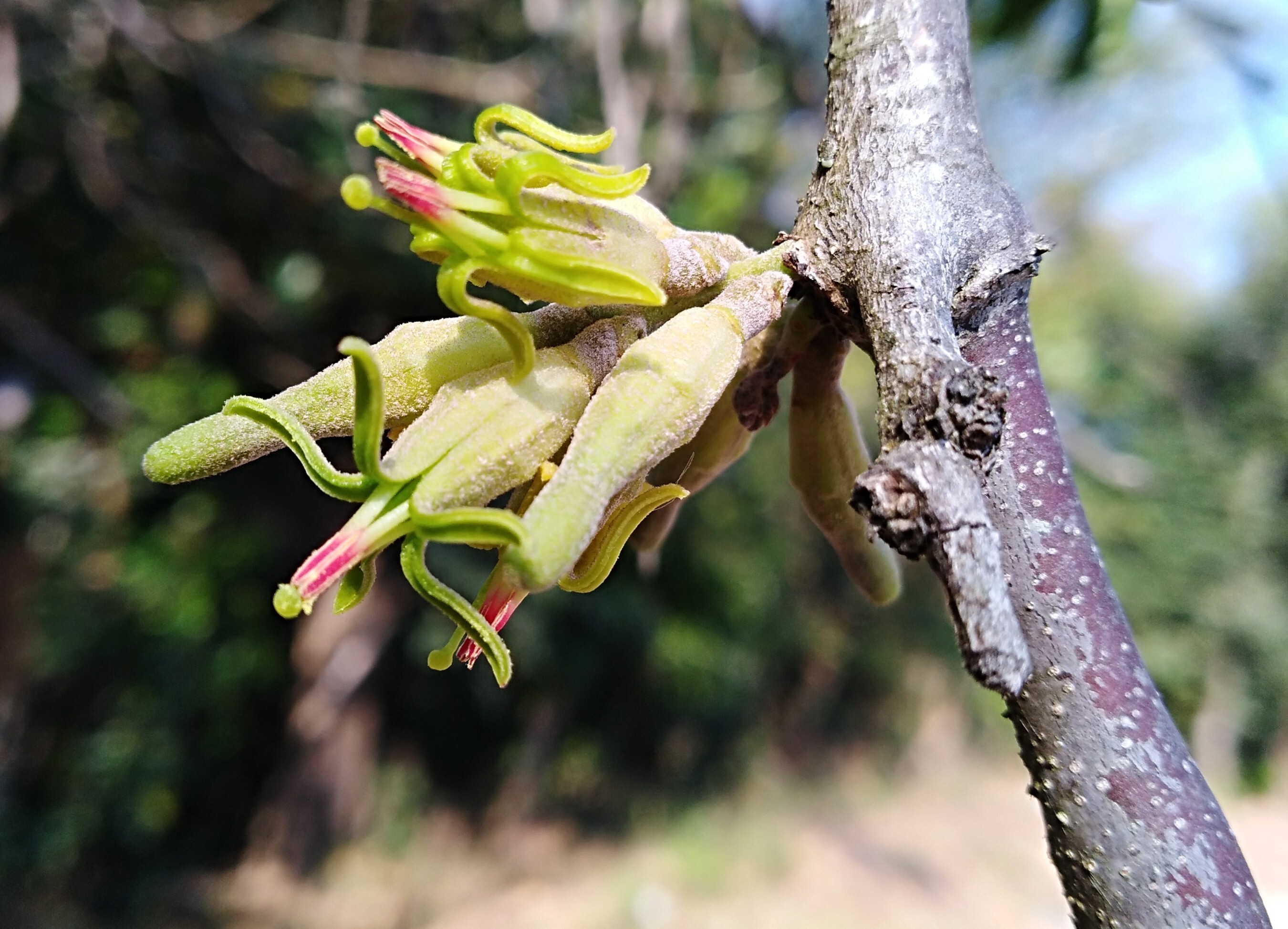
Flower of common mistletoe. (Image by LI Manru)
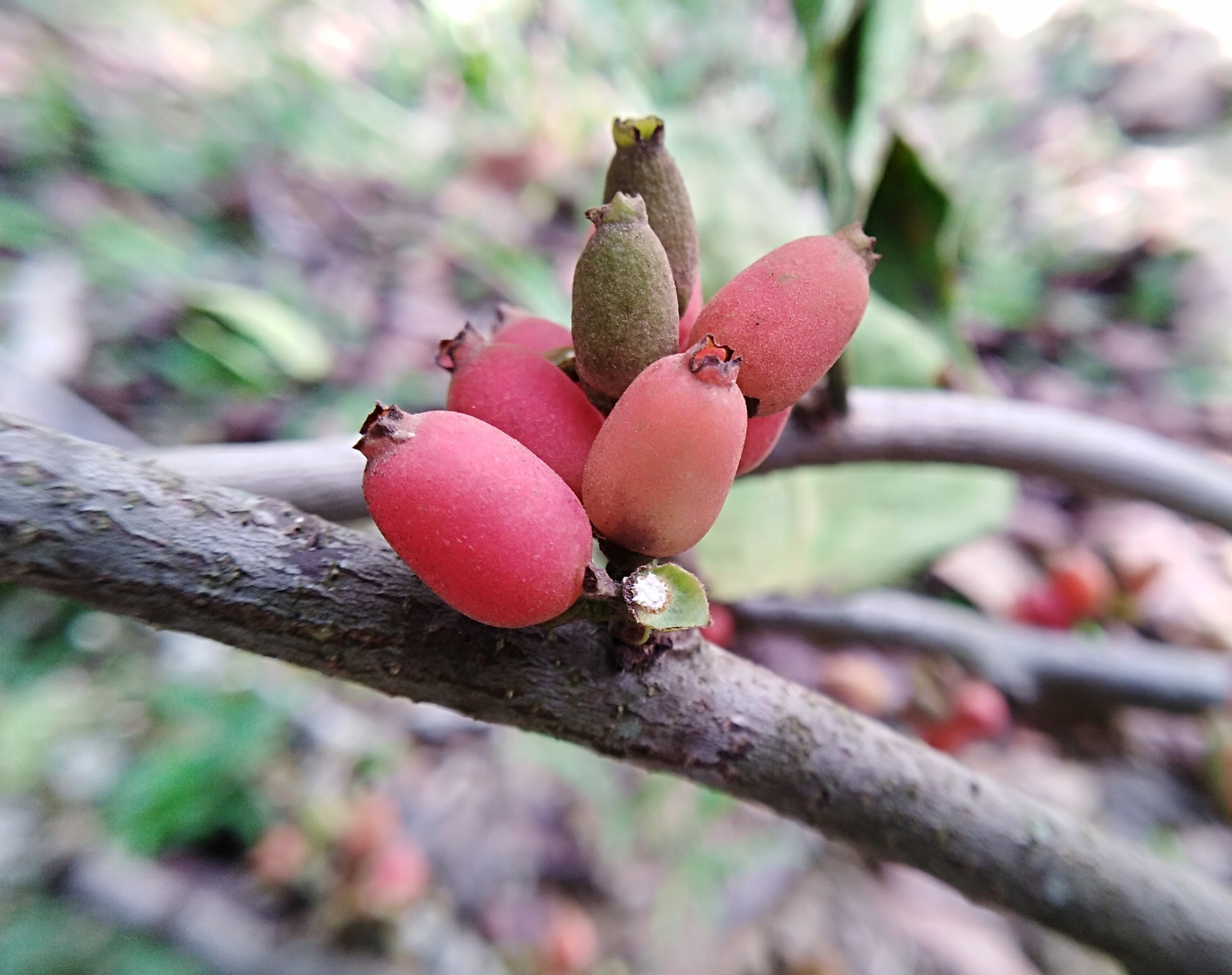
Fruit of common mistletoe. (Image by LI Manru)
First published: 11 October 2026
 Appendix:

