-
Annual Report 2019 releasedMay 28, 2020
-
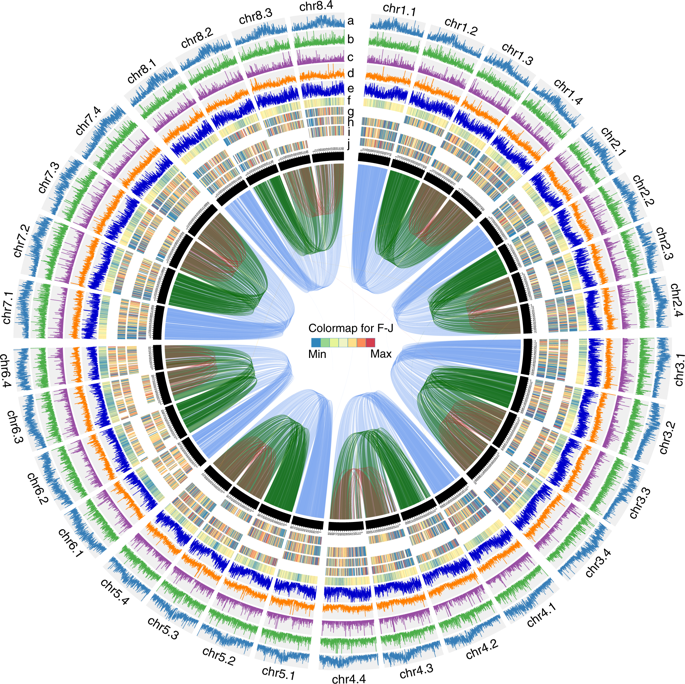
Study decodes the complex autotetraploid cultivated alfalfa genomeIn a study published in Nature Communications, researchers applied PacBio CCS (circular consensus sequencing) and Hi-C (High-throughput chromosome conformation capture) technology to generate an allele-aware chromosome-level genome assembly for the cultivated alfalfa consisting of 32 allelic chromosomes.May 25, 2020
-
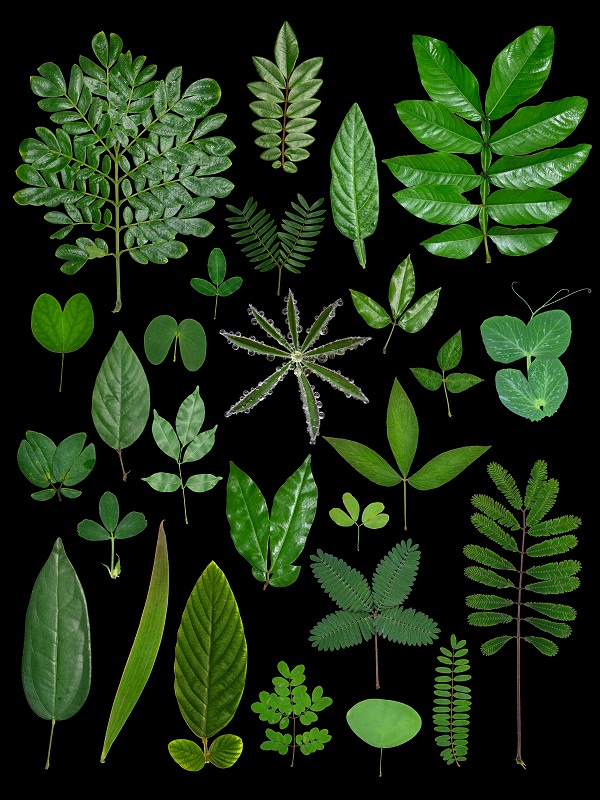
Study reveals a framework for trifoliate leaf-pattern formation in leguminous plantsIn a study published in the latest issue of Nature Plants, researchers from Xishuangbanna Tropical Botanical Garden (XTBG) show that the trifoliate leaf pattern of the model leguminous plant Medicago truncatula is controlled by the BEL1-like homeodomain protein PINNATE-LIKE PENTAFOLIATA1 (PINNA1).May 12, 2020
-
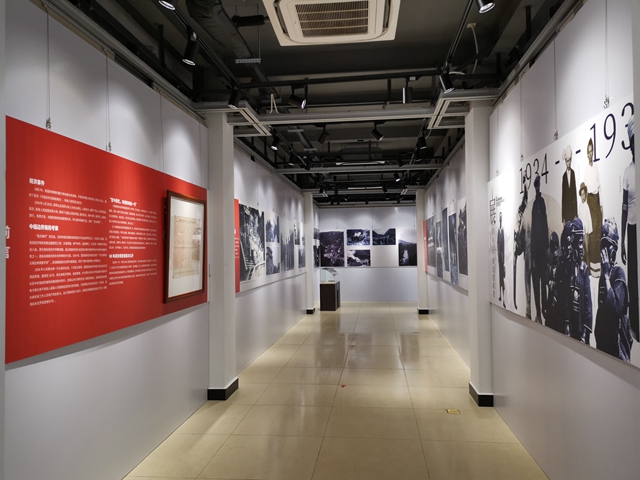
Photos featuring Yunnan-Myanmar borderlands over past century on show at XTBGApr 29, 2020
-
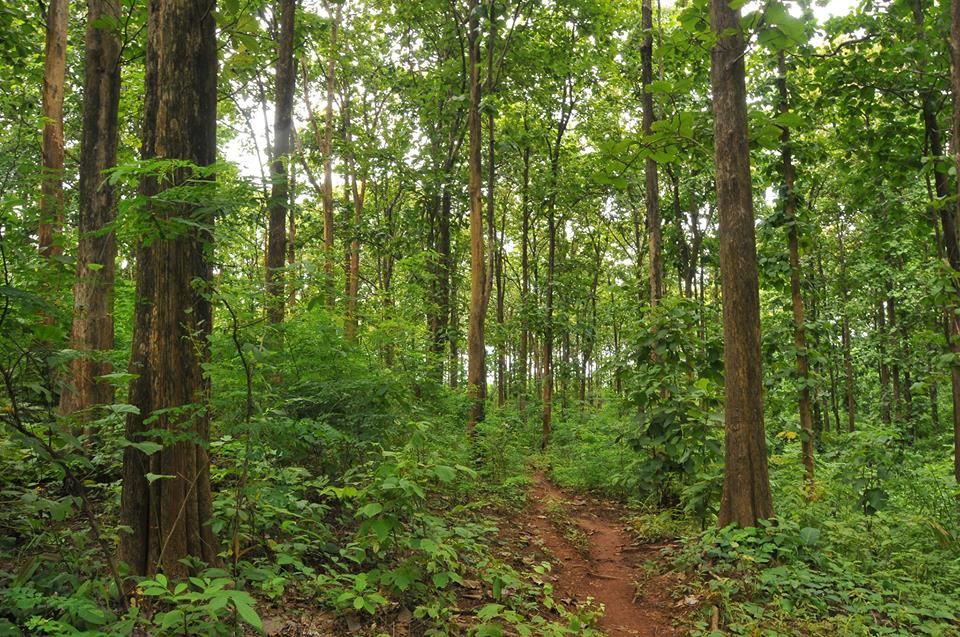
Researchers reconstruct drought variability from teak tree rings in southern MyanmarIn a study published in Geophysical Research Letters, researchers from Xishuangbanna Tropical Botanical Garden (XTBG) extended the spatial coverage of high-resolution regional climate proxies in southern Myanmar by producing a new drought reconstruction from a new location.Apr 27, 2020
-
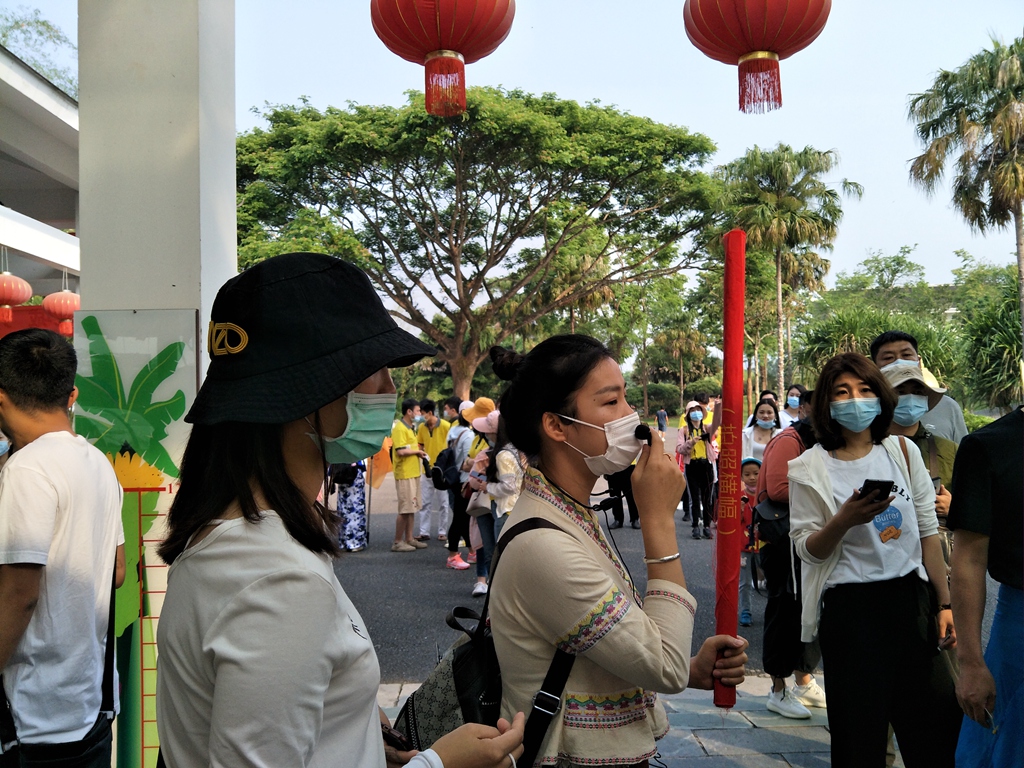
XTBG tourism recovering from COVID-19 outbreakApr 23, 2020
-
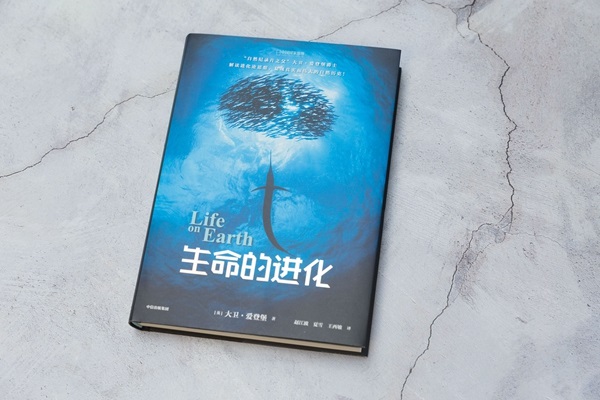
A natural storytellerThe Chinese version of the revised edition has been published this month by China CITIC Press Group and Chinese National Geography Books. The translation has been done by three nature lovers who have, over the period of six months, translated the book in their spare time. They are Zhao Jiangbo and Xia Xue, both of whom work at the Xishuangbanna Tropical Botanical Garden of the Chinese Academy of Sciences, located in Yunnan province, and Wang Ximin, who works at the Shanghai Chenshan Botanical Garden.Apr 23, 2020
-
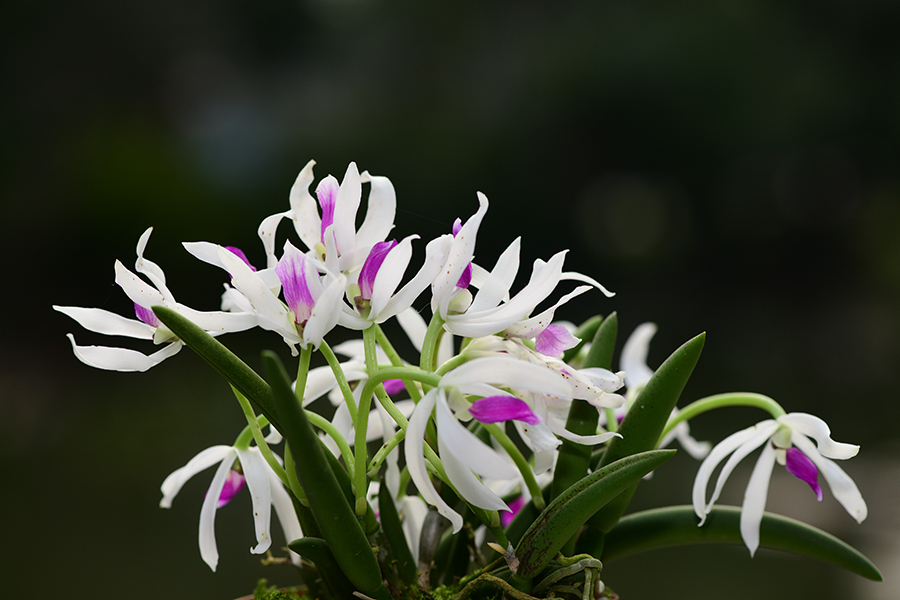
Orchids burst into diverse blossom in SW ChinaGreat efforts have been invested in seed collection and artificial cultivation of endangered orchid species by scientists at Xishuangbanna Tropical Botanic Garden (XTBG). As the country enters late spring, some 100 species of orchids have started blooming in the botanic garden showing the diverse beauty of flowers in the orchid family.Apr 13, 2020
-
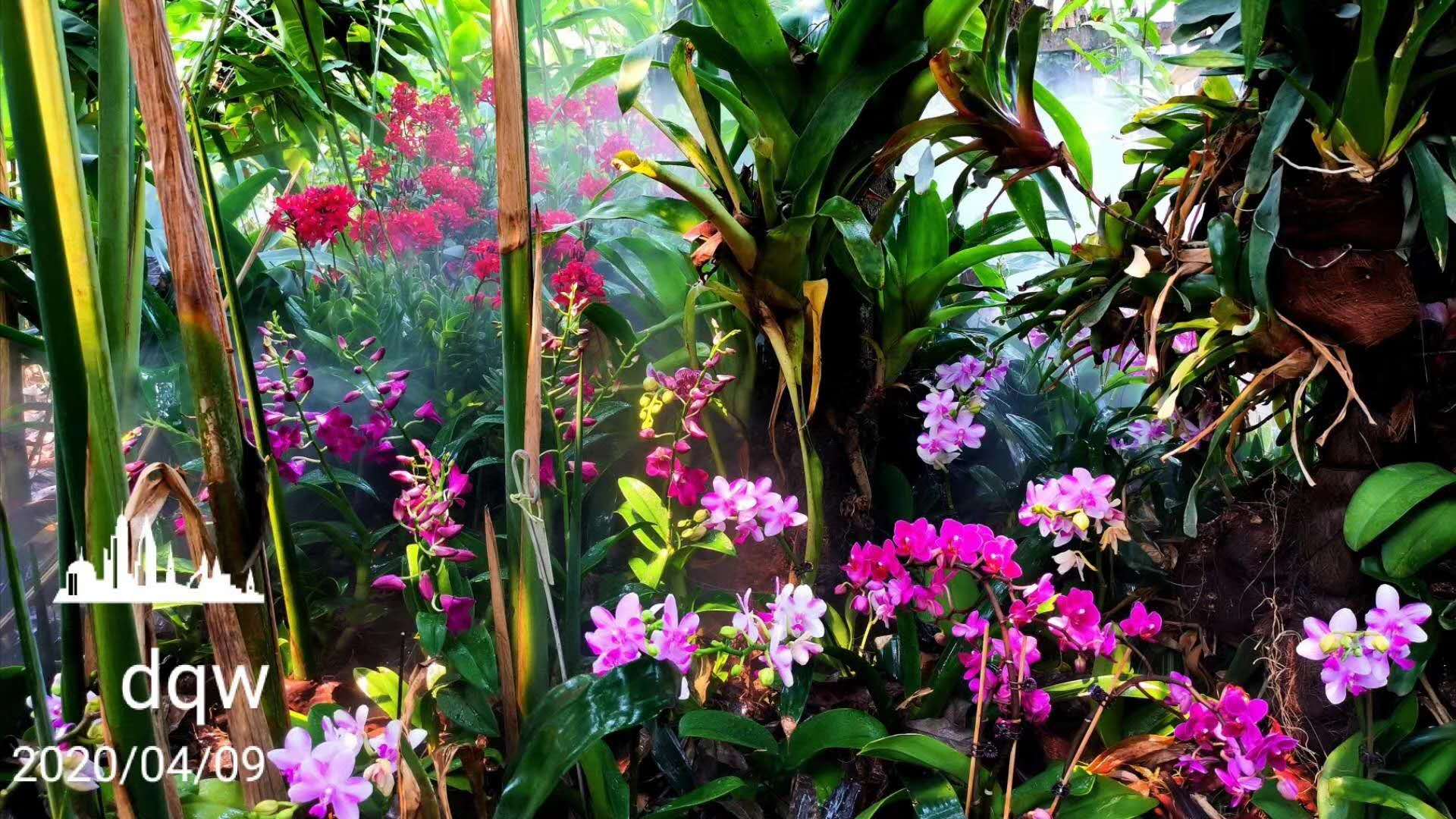
Natural Orchid Show 2020 at XTBGApr 11, 2020
-
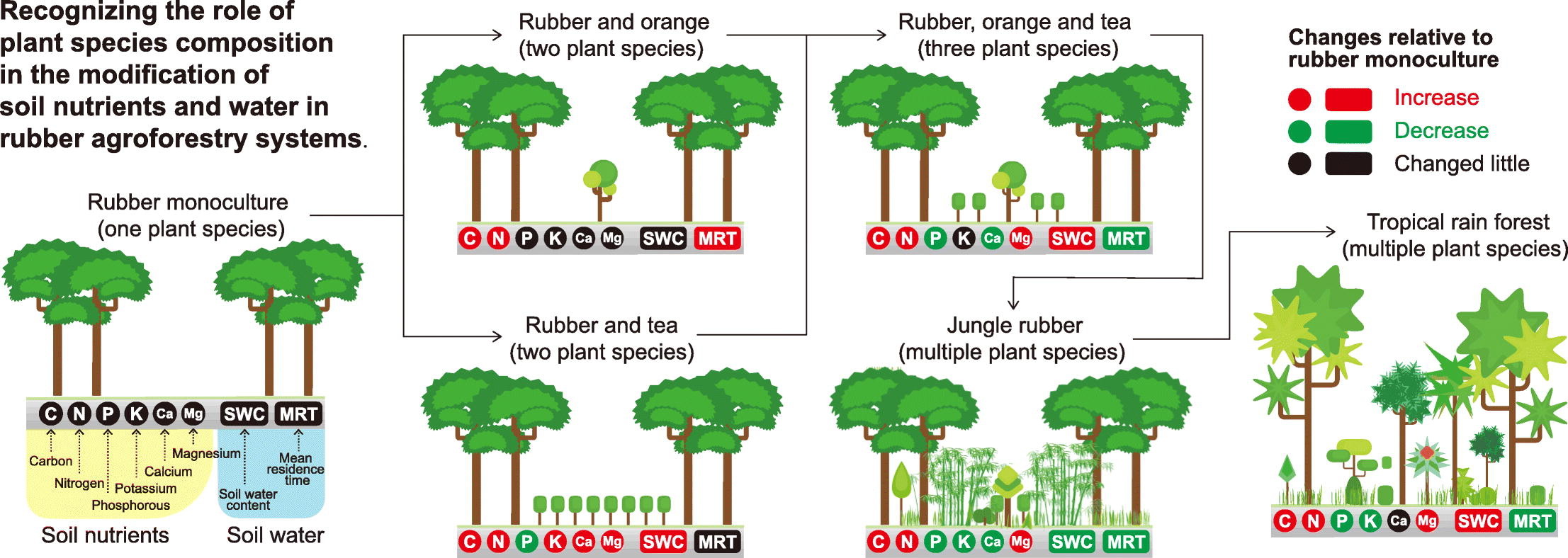
Increased plant species composition creates more soil carbon, nitrogen: researchThe researchers from the Xishuangbanna Tropical Botanical Garden under the Chinese Academy of Sciences hoped to examine the effects of the species composition of trees, shrubs and herbs on soil water and nutrients.Mar 26, 2020
-
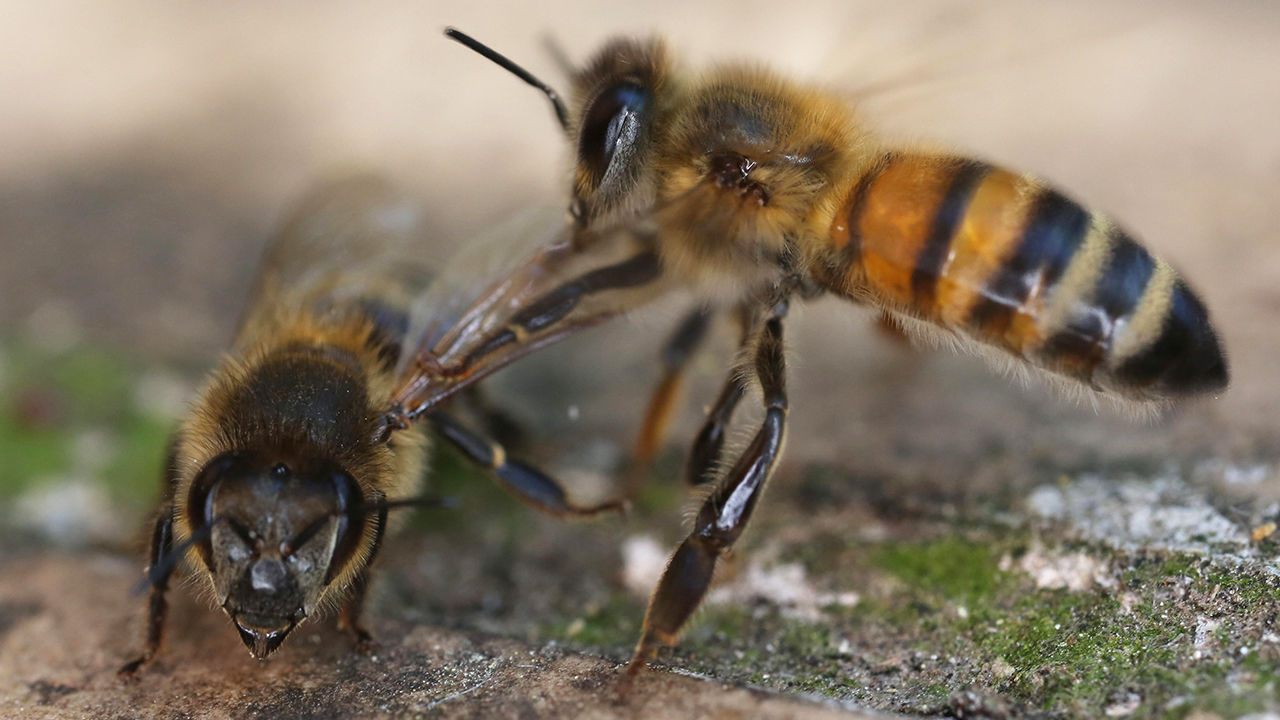
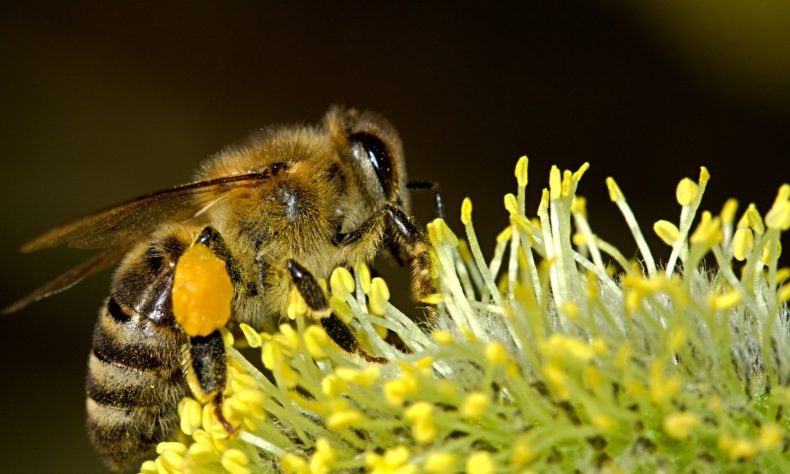
New Research Demonstrates How ‘Undertaker’ Bees Find the Dead Bodies of Their MatesA new study, led by Wen Ping, an ecologist at the Chinese Academy of Sciences’ Xishuangbanna Tropical Botanical Garden, unveiled the way they do it. The researcher stared studying the matter as he wondered whether a particular type of scent molecule might aid the ‘undertaker’ bees find the dead hive mates.Mar 23, 2020
-
How ‘undertaker’ bees recognize dead comradesWen Ping, an ecologist at the Chinese Academy of Sciences’s Xishuangbanna Tropical Botanical Garden, wondered whether a specific type of scent molecule might help undertaker bees find their fallen hive mates. Ants, bees, and other insects are covered in compounds called cuticular hydrocarbons (CHCs), which compose part of the waxy coating on their cuticles (the shiny parts of their exoskeletons) and help prevent them from drying out. While the insects are alive, these molecules are continually released into the air and are used to recognize fellow hive members.Mar 23, 2020