-
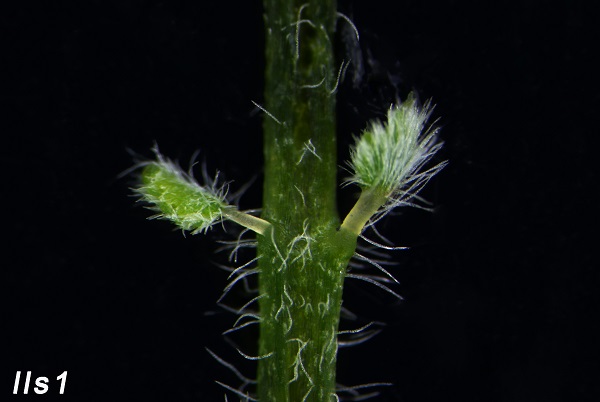
Lateral leaflet suppression 1: important in outgrowth of leaflets of Medicago truncatulaIn a recent study published in New Phytologist, researchers from Xishuangbanna Tropical Botanical Garden (XTBG) identified mutants of the YUCCA1 gene in M. truncatula. They characterized the Lateral Leaflets Suppression1 (LLS1) /Medtr1g011630 gene, encoding a key auxin biosynthetic enzyme MtYUCCA1 by using genome resequencing approaches.Mar 19, 2020
-
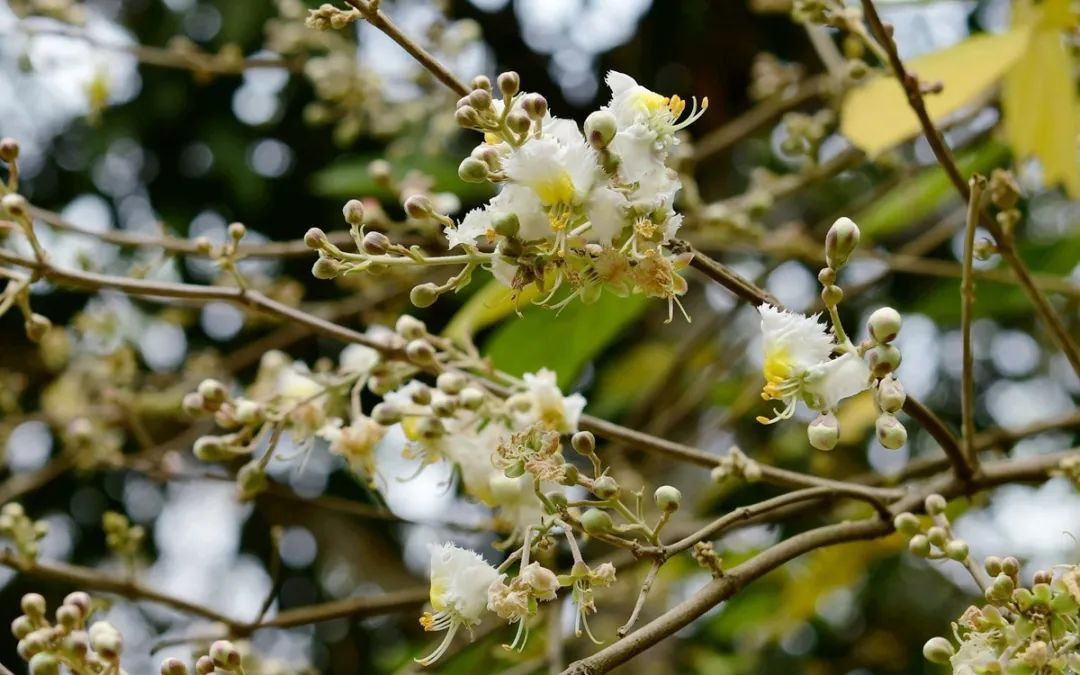
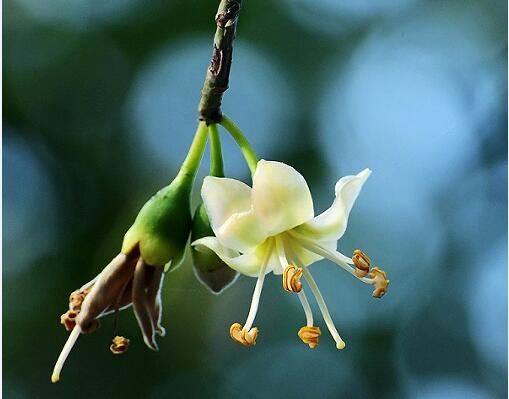
Now is high time for kitefruits to bloom in southwest China's YunnanMar 02, 2020
-
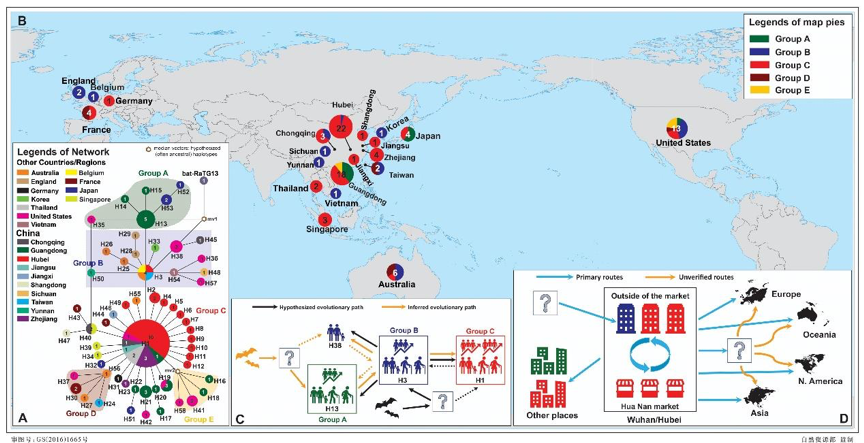
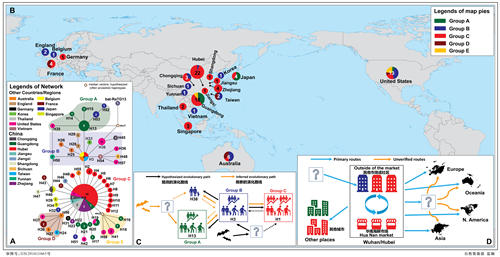
New study further proves Wuhan seafood market not the source of COVID-19A recent study conducted by a group of Chinese scientists have found further genome evidence to prove that the seafood market in Wuhan is not the source of the novel coronavirus – a claim first made in a paper published on The Lancet. The study, led by researchers from Xishuangbanna Tropical Botanical Garden of Chinese Academy of Sciences, South China Agricultural University and Chinese Institute for Brain Research, was published on ChinaXiv on Saturday in a pre-print version without peer review.Feb 24, 2020
-
Research excludes Wuhan seafood market as origin of SARS-CoV-2: CASThe severe acute respiratory syndrome coronavirus 2 (SARS-CoV-2) likely did not originate at Huanan Seafood Wholesale Market in Wuhan, China, but was instead imported from elsewhere, according to scientific research published by Xishuangbanna Tropical Botanical Garden of the Chinese Academy of Sciences (CAS).Feb 24, 2020
-
It's blooming time againFeb 21, 2020
-
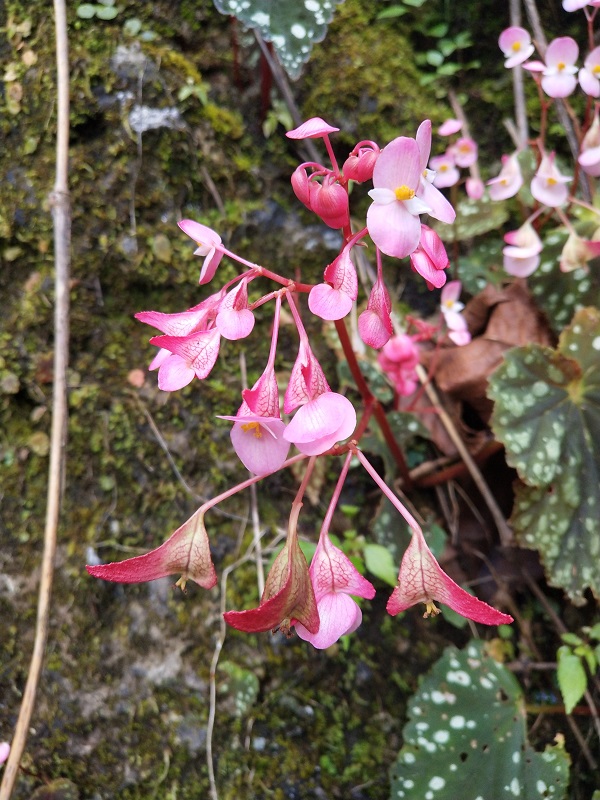
Newly discovered begonia in need of urgent protectionChinese scientists have discovered a new begonia species in Yunnan Province in southwest China, removing another one from the list of many tuberous species estimated yet to be discovered or described in the country.Feb 20, 2020
-
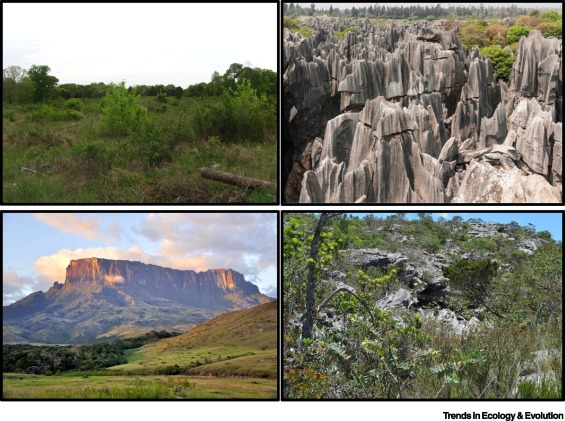
Edaphic factors important to explain and predict impact of climate change on species distributionIn a review published in Trends in Ecology & Evolution, researchers from Xishuangbanna Tropical Botanical Garden (XTBG) pointed out that the relative neglect of local edaphic factors risks weakening people’s ability to explain past responses to climate change and predict future ones.Feb 14, 2020
-
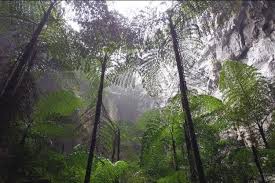
More shading, water can accelerate woody seed germination in translocated forest topsoil: researchChinese researchers have discovered that less light and more water treatment can improve woody seedlings in translocated forest soil at the country's subtropical karst landforms, according to a recent study published in the journal Forest Ecology and Management.Jan 21, 2020
-
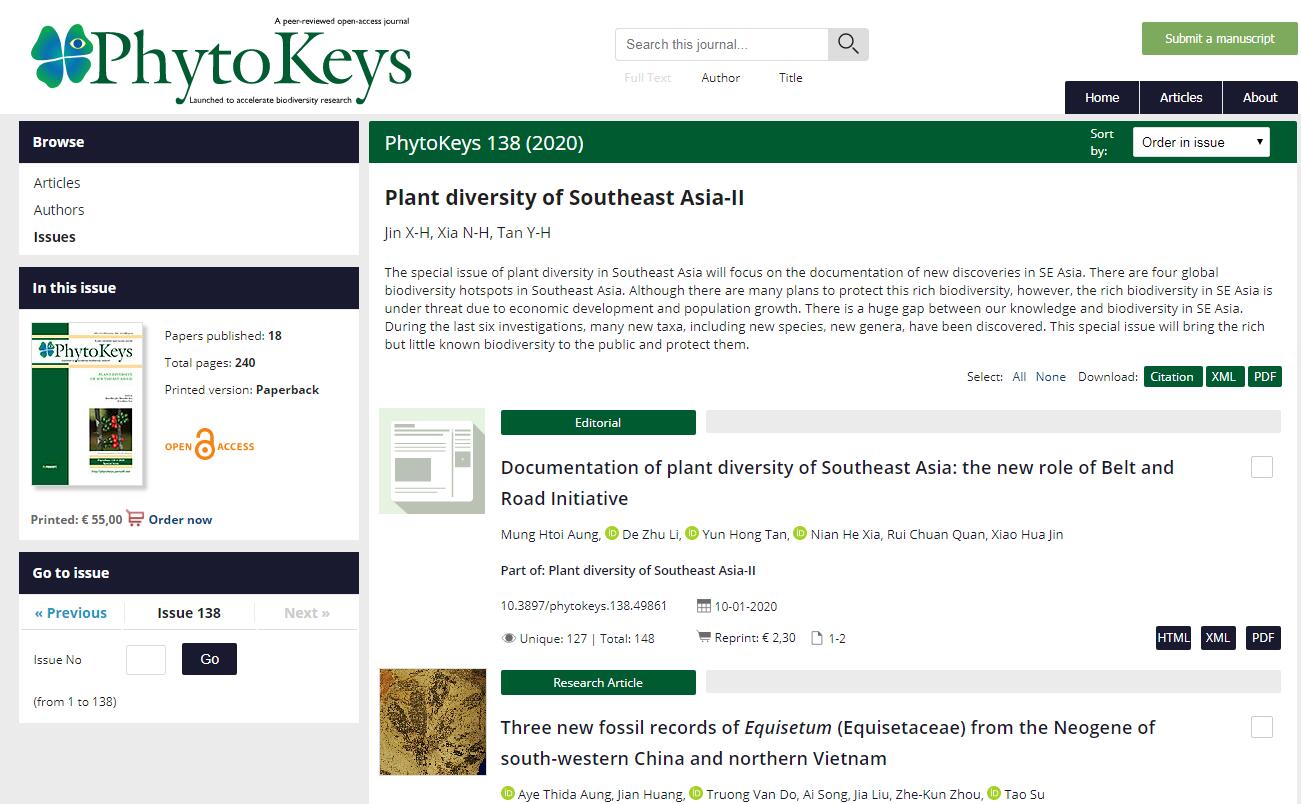
Special issue of PhytoKeys represents plant diversity in Southeast AsiaJan 13, 2020
-
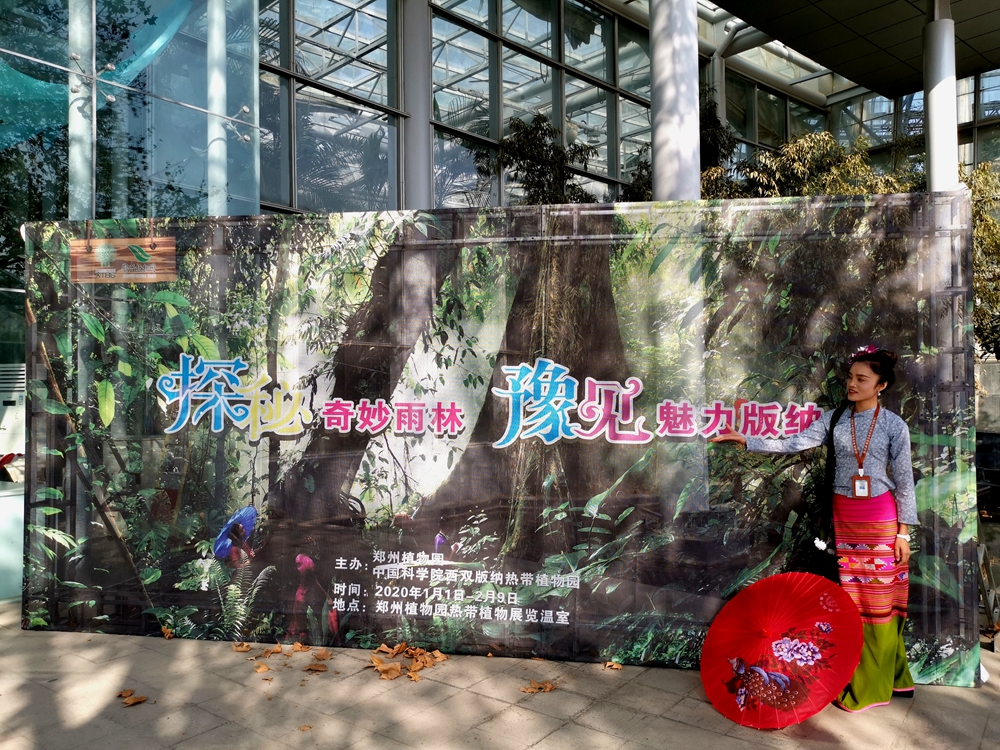
“Enchanting Xishuangbanna” on show in Zhengzhou Botanical GardenJan 02, 2020
-
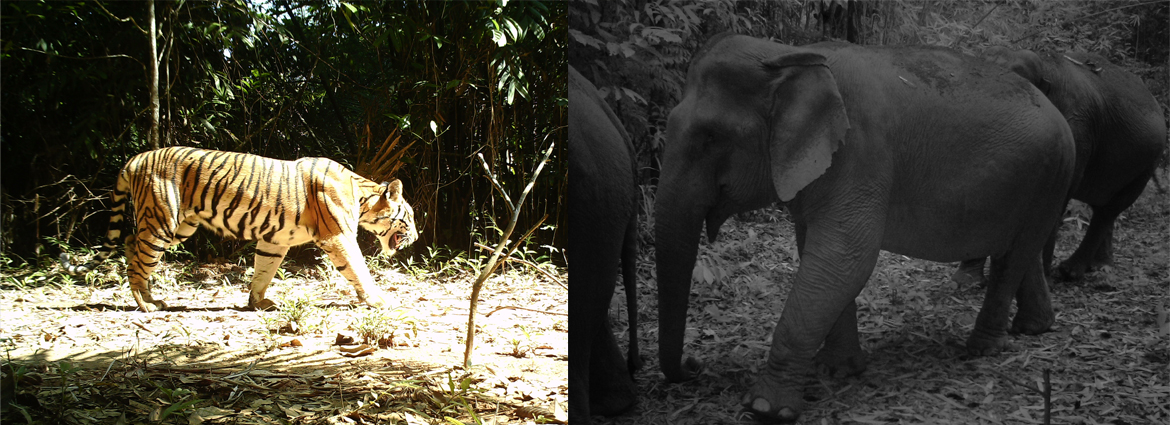
China-Myanmar research team completes biodiversity surveyScientists have found what is believed to be three new species of amphibians and five new species of plants in a China-Myanmar joint biodiversity survey.Jan 02, 2020
-
The growing Tibetan Plateau shaped the modern biodiversityHolding particular biological resources, the Tibetan Plateau is a unique geologic-geographic-biotic interactively unite and hence plays an important role in the global biodiversity domain. The Tibetan Plateau has undergone vigorous environmental changes since the Cenozoic, and played roles as switching from "a paradise of tropical animals and plants" to "the cradle of Ice Age mammalian fauna". Recent significant paleontological discoveries have refined a big picture of the evolutionary history of biodiversity on that plateau against the backdrop of major environmental changes, and paved the way for the assessment of its far-reaching impact upon the biota around the plateau and even in more remote regions. Based on the newly reported fossils from the Tibetan Plateau which include diverse animals and plants, this paper presented general viewpoints of the biodiversity history on the Tibetan Plateau and its influence in a global scale.Dec 31, 2019