Xishuangbanna Tropical Botanical Garden (XTBG) hosted an advanced training workshop on environmental education research from August 21-28. The eight-day workshop brought together scholars, educators, and practitioners from universities, research institutes, botanical gardens, and social organizations across China.
At the opening ceremony, Prof. Chen Jin, chief scientist of the Environmental Education Center, outlined the workshop’s design philosophy and objectives. XTBG deputy director Quan Ruichang encouraged both instructors and trainees to pursue excellence in talent cultivation, academic collaboration, and practical implementation.
The workshop featured 12 invited lectures, 7 keynote presentations, 4 panel discussions, 2 outdoor practicums, and 25 case�study presentations, including 20 trainee projects and five graduate�thesis examples from XTBG. Topics ranged from environmental education theory, research methodologies, and talent development to AI applications in education, climate-change education psychology, and environmental interpretation.
Through expert lectures, "World Café" discussions, focus group interviews, and case study presentations, the participants engaged in in-depth exchanges on the cultivation of high-level talent in environmental education research.
At the closing ceremony, after extensive deliberation, all attendees formally adopted and released the Xishuangbanna Consensus on Talent Development in Environmental Education Research. It calls on universities, research institutions, botanical gardens, national parks, and other organizations to strengthen collaboration around critical environmental education issues and to continuously refine a talent-development system with Chinese characteristics.
The Consensus says that research should go beyond describing activities or evaluating outcomes to explain mechanisms, identify applicable conditions, and conduct innovative, forward-looking "genuine research." It also emphasizes interdisciplinary training that nurtures research skills, environmental ethics, critical thinking, systems thinking, and psychological resilience.
It calls for collaborative supervision by mentors from diverse disciplinary backgrounds, interdisciplinary curricula, shared practical resources, and adapted evaluation mechanisms.
It encourages the translation of research findings into academic papers, policy briefs, curriculum guides, exhibition-and-interpretation systems, and other usable formats, disseminated through appropriate channels for maximum impact. Moreover, it addresses mutually respectful and supportive mentor-relationships.
The teachers at the workshop were from XTBG, Zhejiang University, National Taiwan University, National Taiwan Normal University, Nanyang Technological University (Singapore), and the College of Wooster (USA).
The Initiative for Collective Conservation in Chinese Botanical Gardens provided support for the workshop.
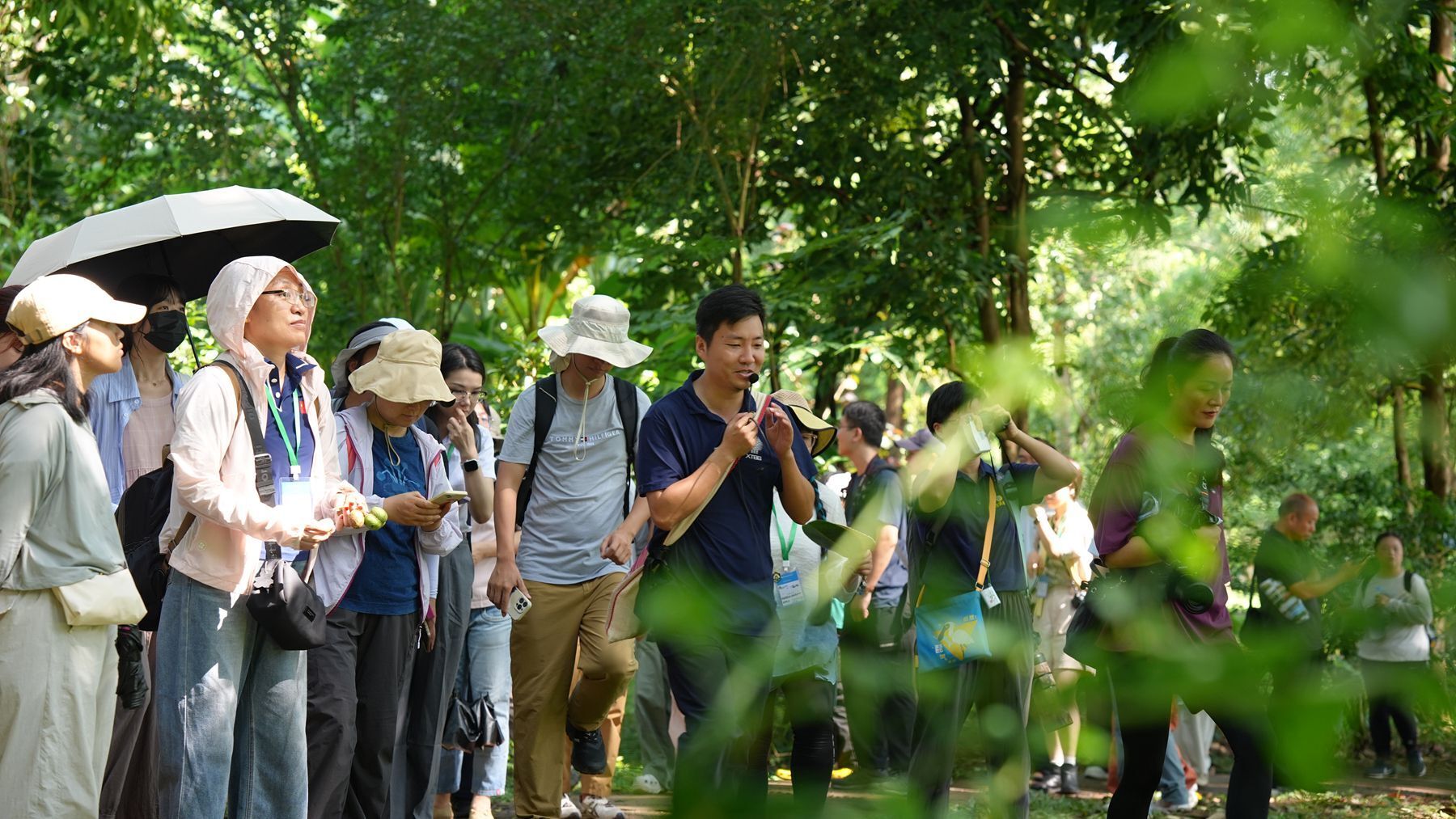
Field practice.
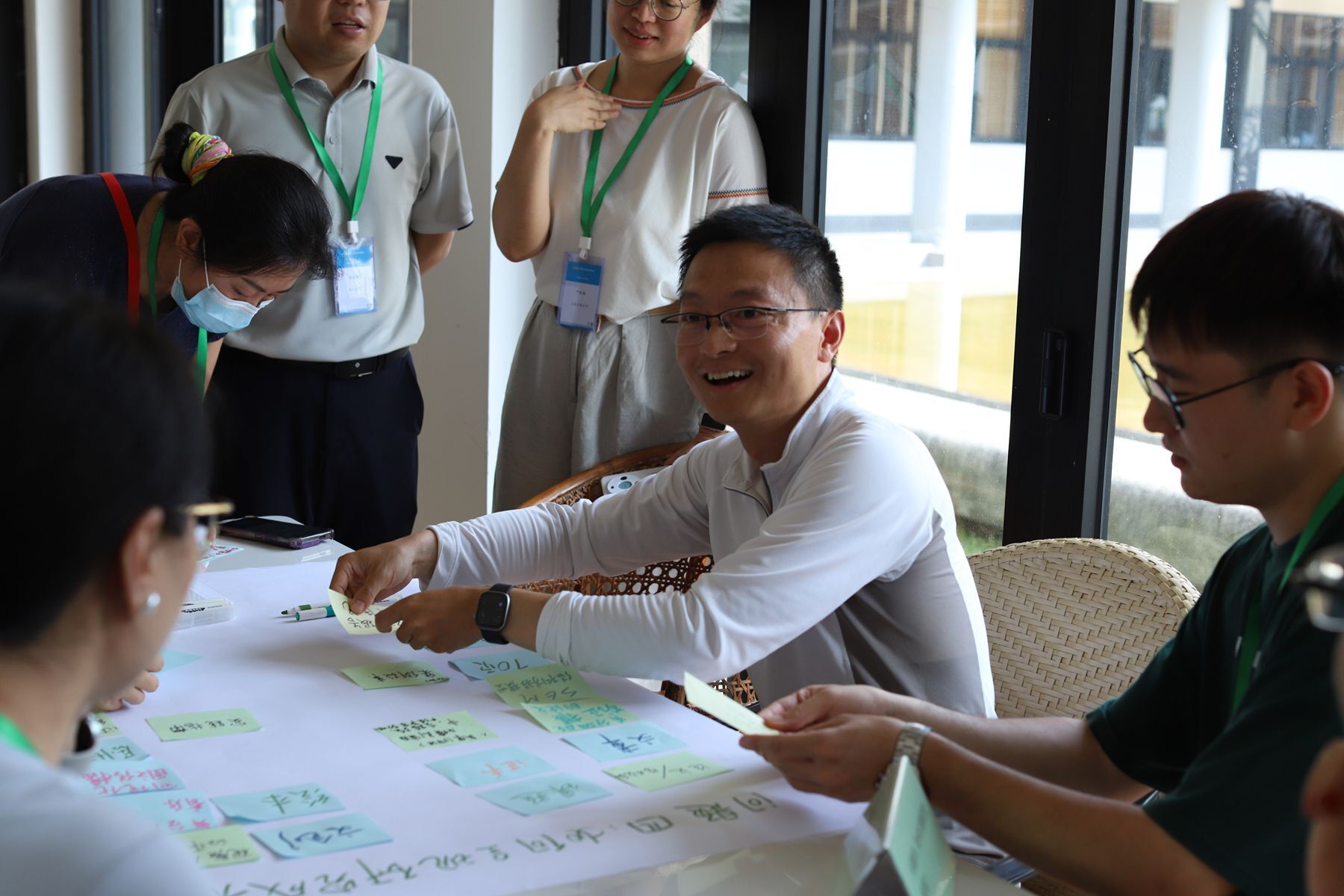
"World Café" discussions
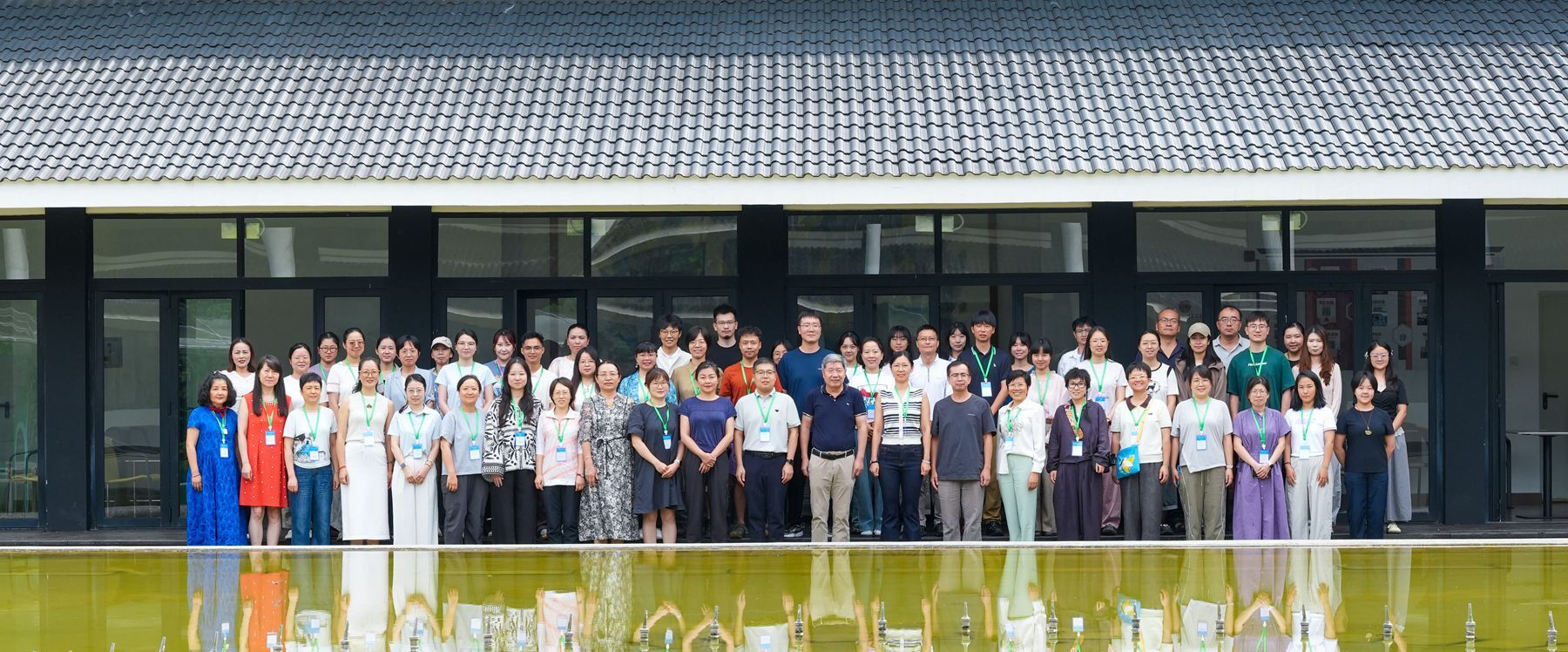
Participants pose a group photo.


