The Fourth Southeast Asia Biodiversity Workshop was held in Vientiane, Lao PDR from September 21 to 24. With the theme of “Building a shared future for biodiversity: regional cooperation and ecological restoration in Southeast Asia”, it brought together over 100 experts and scholars from more than 15 institutions across 10 countries. The workshop focused on biodiversity survey and monitoring, species conservation, ecosystem restoration, sustainable use of biological resources, and regional cooperation.
The workshop was organized by the Southeast Asia Biodiversity Research Institute (SEABRI) of the Chinese Academy of Sciences (CAS) and the Biotechnology and Ecology Institute (BEI) of the Ministry of Agriculture and Environment of Laos.
At the opening ceremony, Sypaphai Xaisongkham, director of BEI said that BEI would further strengthen scientific research, knowledge sharing and regional cooperation to jointly address cross-border challenges such as biodiversity loss and ecological degradation.
The experts and scholars shared progress in biodiversity research and conservation concerning plants, fish, amphibians and reptiles, insects, forest ecosystems and large mammals. They also exchanged views on long-term monitoring, ex situ and in situ conservation, ecological restoration, utilization of genetic resources, genomics, community science and ethnobotany.
A special panel discussion themed “From knowledge to action: strengthening regional cooperation for biodiversity conservation and ecological restoration in Southeast Asia” was also held. The experts noted that there are still many challenges in regional biodiversity conservation, including uneven research and technical capacity, insufficient data and knowledge sharing, and inadequate links between research and policy, etc.
The participants recommended strengthening training of young researchers and transboundary joint field surveys, establishing long-term knowledge-sharing and cooperation mechanisms, and linking research outcomes with national biodiversity strategies and action plans, so as to translate scientific knowledge into conservation practice.
The participants also conducted a field visit and exchange at Phou Khao Khouay National Protected Area.
At the closing ceremony, Prof. Xing Yaowu, director of XTBG and SEABRI, noted that there remains significant knowledge gaps in Southeast Asian biodiversity. He called joint efforts for continuous field surveys, long-term monitoring and cross-regional joint research.
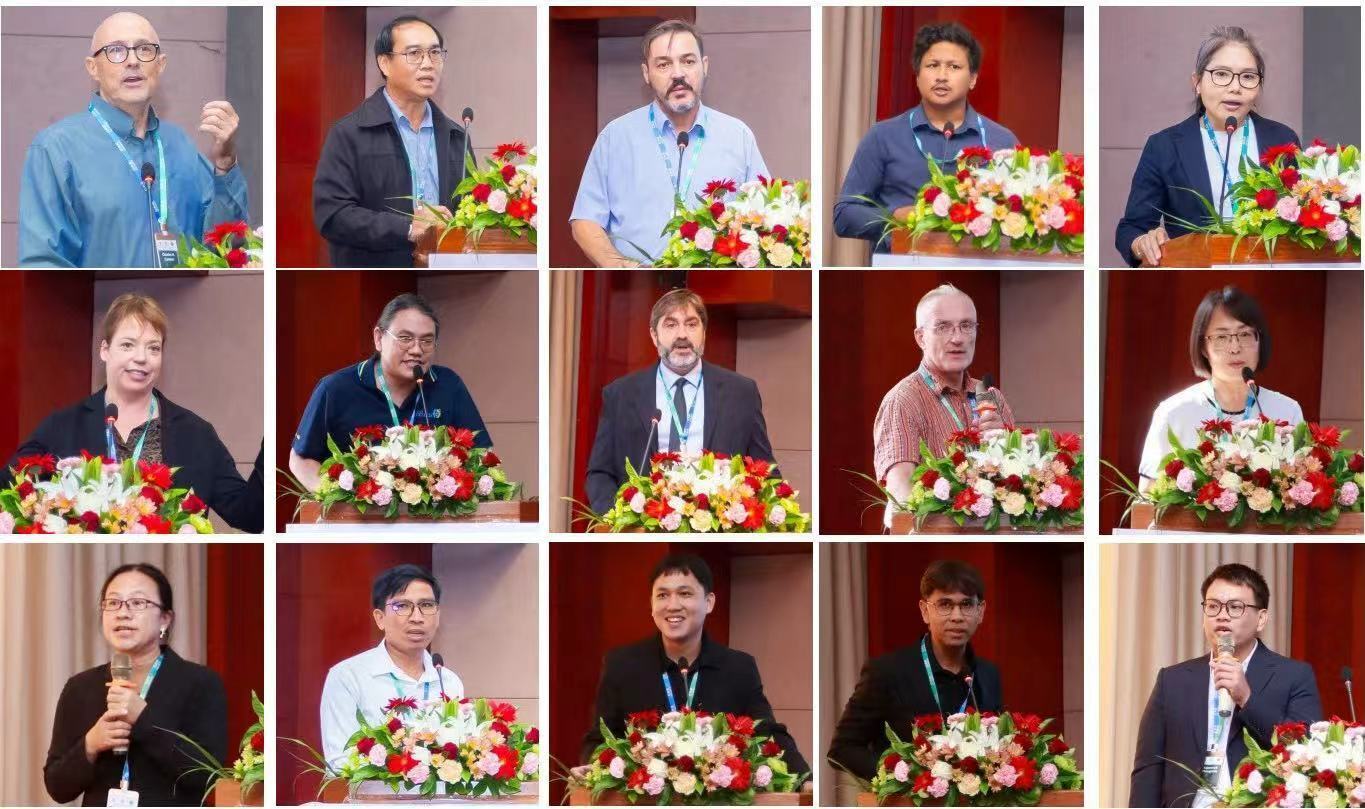
Speakers at the workshop.
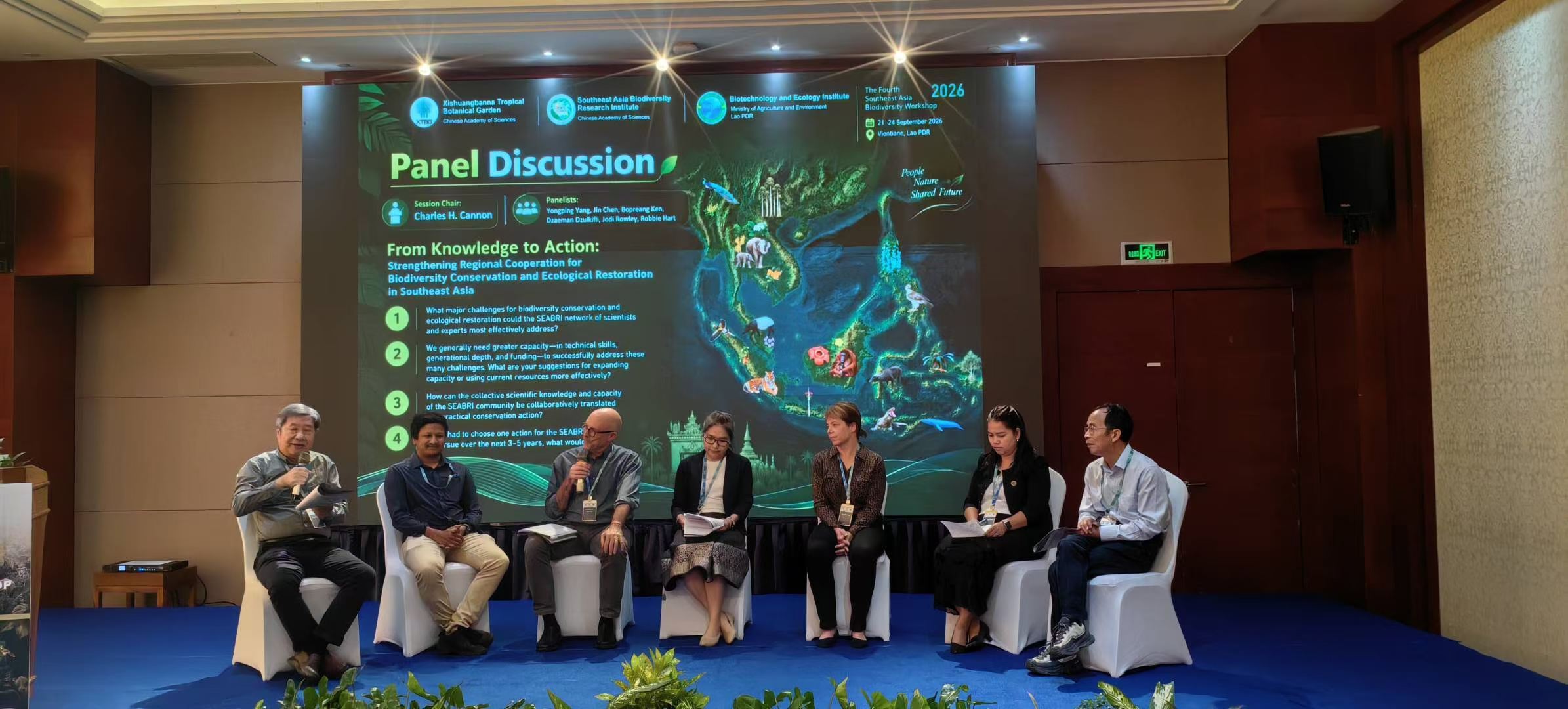
Panel discussion.
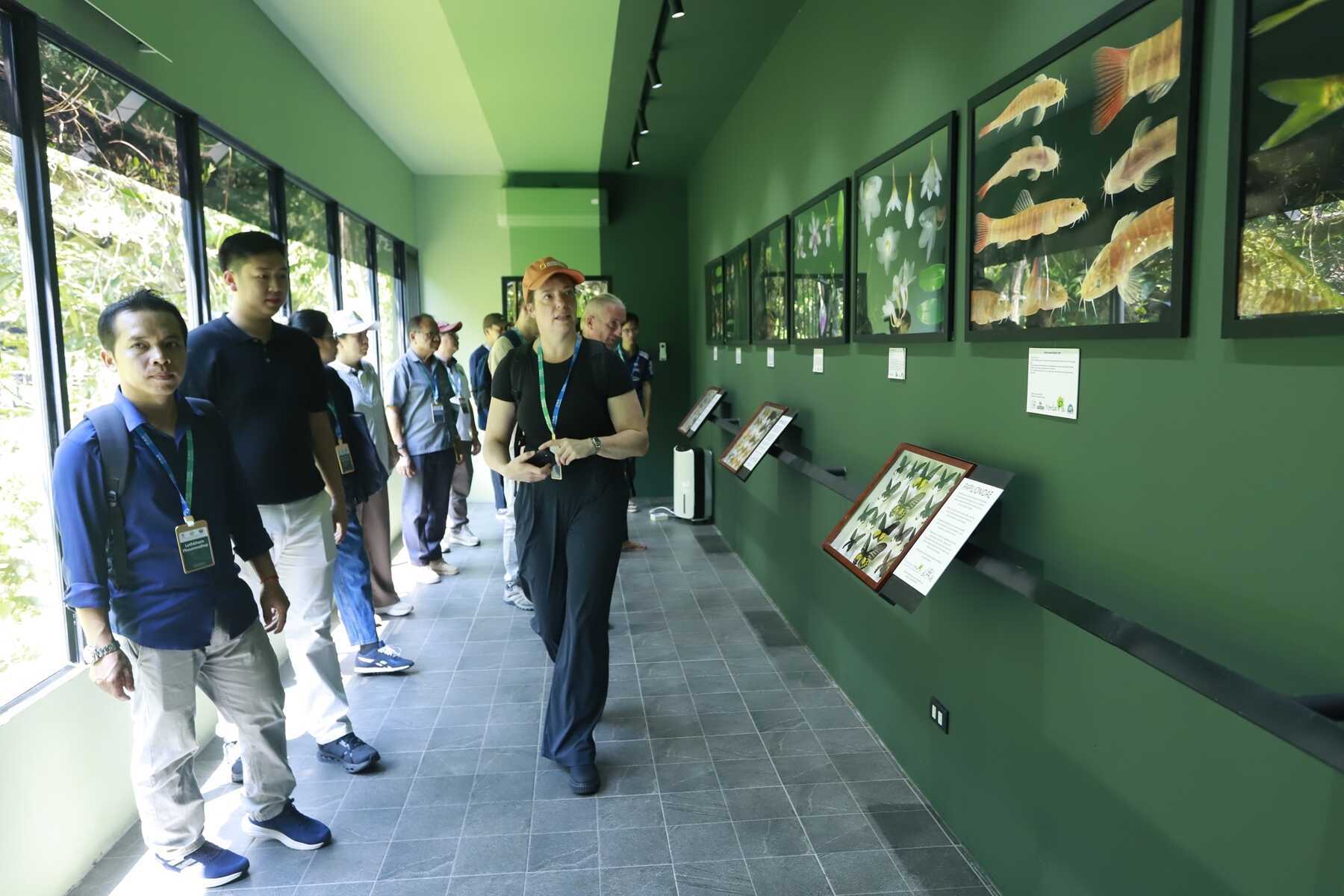
Field survey in protected areas.

Participants pose a group photo.


