As climate change intensifies, extreme weather events are becoming more frequent. Understanding how forest ecosystems respond to such disturbances is essential for developing adaptive management strategies. However, systematic knowledge regarding the post-disturbance growth recovery of trees in subtropical forests and the factors driving this process remains limited.
In a study published in Forest Ecology and Management, researchers from Xishuangbanna Tropical Botanical Garden (XTBG) of the Chinese Academy of Sciences investigated the impact of extreme snow disasters on the growth recovery and driving mechanisms of tree species in subtropical evergreen broad-leaved forests.
The researchers used tree-ring width chronologies and long-term monitoring data from permanent plots to analyze post-disturbance growth recovery and resilience in four most prevalent broad-leaved species (Stewartia pteropetiolata, Schima noronhea, Machilus yunnanensis and Machilus gamblei) in the Ailao Mountain subtropical evergreen forest, following an extreme snow event in 2015.
They found that radial growth of all four species declined sharply immediately after the snow disaster. However, the recovery capacity varied remarkably among species. Over 50% of individuals of Stewartia pteropetiolata and Machilus yunnanensis bounced back to pre-disturbance growth rates within just one year. In contrast, Schima noronhea and Machilus gamblei required up to four years for a full recovery.
“The variation in recovery time indicates the complex interplay within forest ecosystems after a disturbance,” explained FAN Zexin. “However, across all species, the competition release stood out as most critical for resilience.”
The researchers quantified “competition release”, which occurs when damage or death of neighboring trees reduces competition for essential resources like light, water, and nutrients. Dendrochronological analysis, combined with long-term forest census data, demonstrated that this release was the foremost factor governing both the speed and degree of a tree’s growth recovery, outweighing the influence of tree age or size.
“Our study underscores that competition release following extreme snowfall can accelerate tree�growth recovery. It provides a valuable scientific basis for adaptive forest management in subtropical regions under ongoing global change,” said FAN.
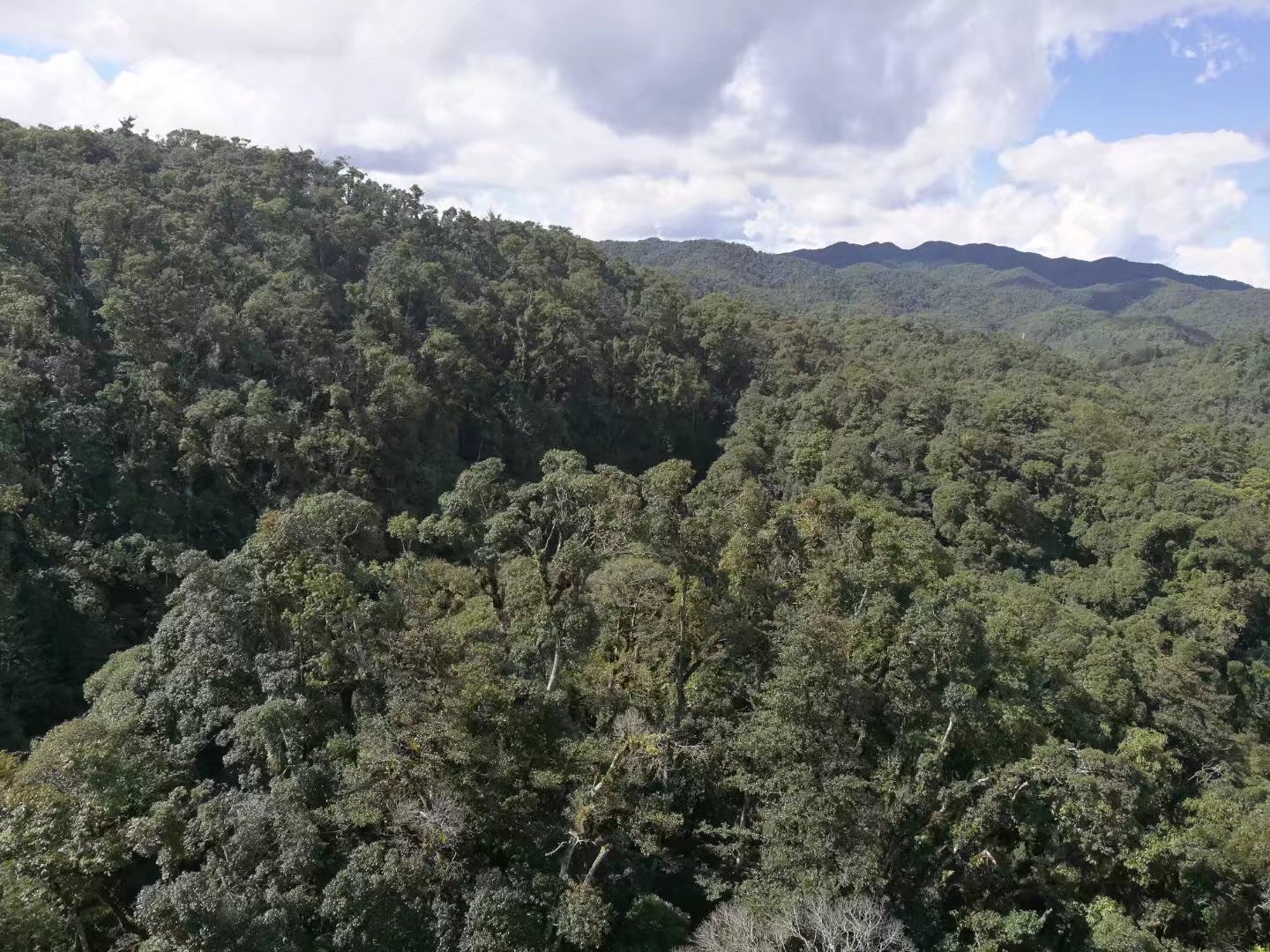
Ailaoshan subtropical forest. (Image by XTBG)
Available online: 17 December 2025


