Bryophytes, an ancient group of plants including mosses, liverworts, and hornworts, first colonized land nearly 470 million years ago. With over 20,000 known species, they form the second-largest group of land plants after flowering plants. However, bryophytes remain largely overlooked in global conservation policy, in spite of their evolutionary importance and vital ecological roles.
In a study published in Global Change Biology, researchers from Xishuangbanna Tropical Botanical Garden (XTBG)of the Chinese Academy of Sciences provided the first comprehensive global assessment of bryophyte diversity, extinction risk, and conservation gaps. The researchers synthesized global occurrence data, elevational records, IUCN Red List assessments, and published case studies to examine how this functionally critical plant group is increasingly threatened by human activities.
The researchers identified 37 countries and regions each home to more than 1,000 bryophyte species. However, only 1.5% of all described bryophytes have been assessed for the IUCN Red List. Among those evaluated, over half are threatened with extinction, a proportion nearly double the global average for all plant species.
They highlighted that bryophytes play indispensable ecosystem functions. Species and phylogenetic diversity peak at elevations of 1,000–2,000 meters, underscoring the importance of tropical and subtropical mountain ecosystems. Agriculture and deforestation were identified as the primary global threats to bryophyte diversity.
Currently, bryophyte conservation research and funding are concentrated in regions such as Europe. However,the true hotspots of bryophyte diversity, particularly tropical mountains, remain severely understudied and underfunded.
The researchers urge immediate action to protect thousands of bryophyte species. They call for a massive global effort to assess extinction risks and develop region-specific strategies.
They suggest that conservation plans should be tailored to regional threats, mitigating climate warming in Europe, protecting forests in the tropics, and managing invasive species in Asia and Oceania.
They also call for redirecting research funding and capacity-building efforts to tropical biodiversity centers where bryophyte diversity is highest.
"Bryophytes are foundational to carbon storage, water regulation, and nutrient cycling across terrestrial ecosystems. If global biodiversity strategies continue to neglect bryophytes, we cannot truly achieve the goals of reducing species extinction rates and maintaining ecosystem functions,” said YIN Xiangbo of XTBG.
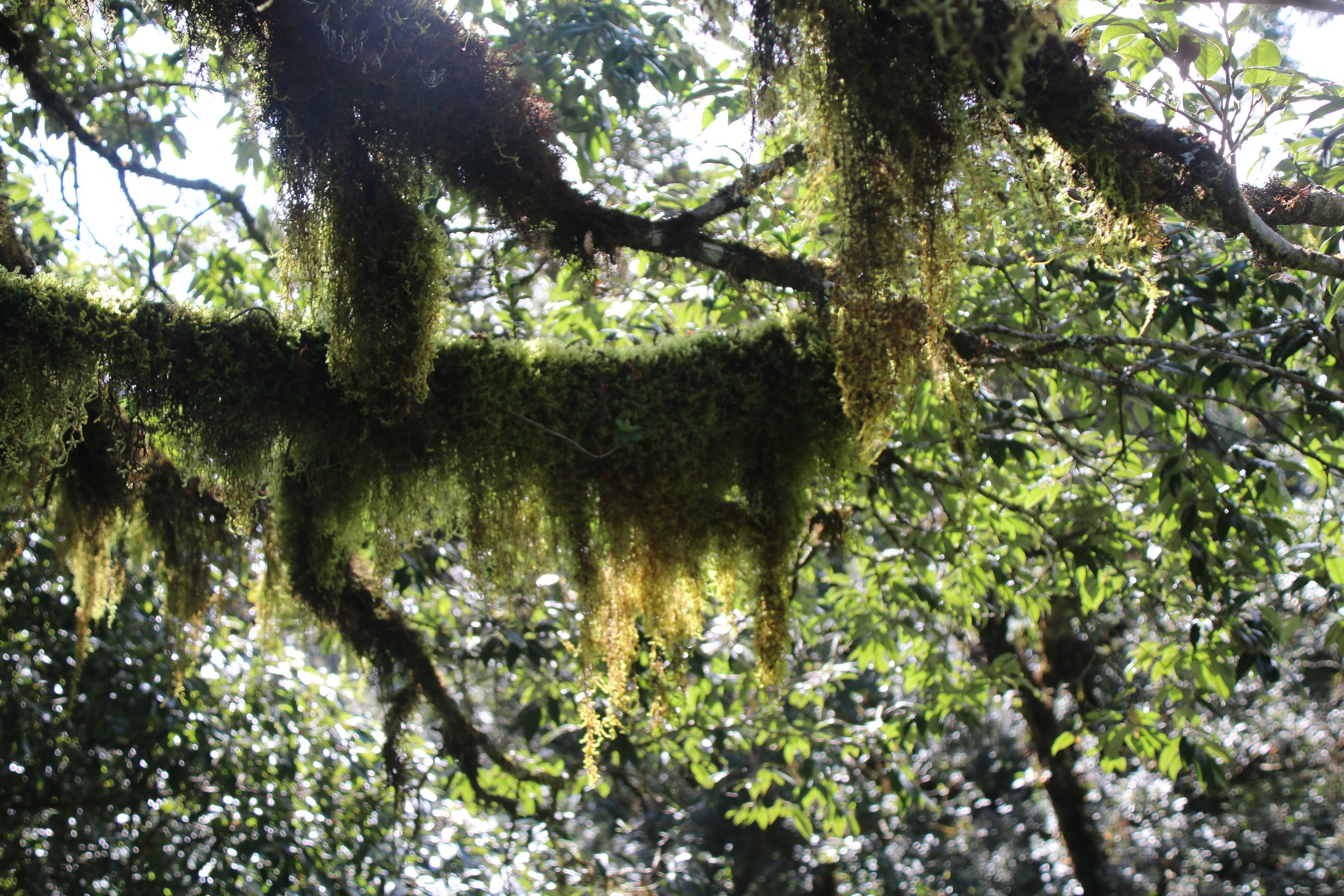
Bryophytes in subtropical forest. (Image by XTBG)
First published: 09 March 2026


