Soils harbor some of the most diverse life on Earth. Soil nematodes, as key groups in soil ecosystems, play crucial roles in maintaining ecosystem functions. Yet how their diversity changes across large landscapes, and what drives these changes, remains poorly understood.
In a study published in PNAS on September 22, researchers from Xishuangbanna Tropical Botanical Garden (XTBG) of the Chinese Academy of Sciences and their collaborators revealed that plant community turnover and nematode body width play fundamental roles in shaping soil nematode diversity across different spatial scales. Their findings highlight that protecting the variety of plant species is essential for preserving nematode diversity and that a nematode’s body width largely determines how it spreads across the environment.
The researchers conducted their experiments across Southwest China and Thailand. Using a nested sampling design, they collected about 700 soil samples from seven undisturbed forest plots, each measuring 400 × 400 meters. The plots included two coniferous forests, two broadleaf forests, and three tropical rainforests, with 40 × 40-meter grids serving as the smallest sampling units.
“By examining nematode communities along a montane forest transect spanning the Tibetan Plateau, Hengduan Mountains, and tropical lowlands, we were able to uncover how the drivers of soil nematode diversity change across spatial scales,” said WANG Wenting, first author of the study.
They identified 209 nematode genera across five feeding types (including herbivores, bacterivores, fungivores, omnivores, and predators). Tropical rainforests supported the highest nematode diversity among the forest types examined.
Nematode α-diversity and γ-diversity consistently increased with plant β-diversity across most feeding types. This underscores that maintaining a mosaic of different plant communities is critical for safeguarding the hidden biodiversity underground.
Interestingly, the researchers found that a nematode’s body width, rather than its length, is a key trait influencing how its community assembles. Body length had little effect on assembly processes, except for random changes known as “ecological drift.” This suggests that body width may play a more important role in limiting how far nematodes can disperse.
“Our findings demonstrate that aboveground and belowground biodiversity are tightly linked with the turnover in plant species from one location to another. Protecting ecosystems and biodiversity is not just about conserving plants; it’s about safeguarding the invisible majority of life beneath our feet,” said YANG Xiaodong of XTBG.

Tropical rainforest in Xishuangbanna. (Image by DENG Yun)
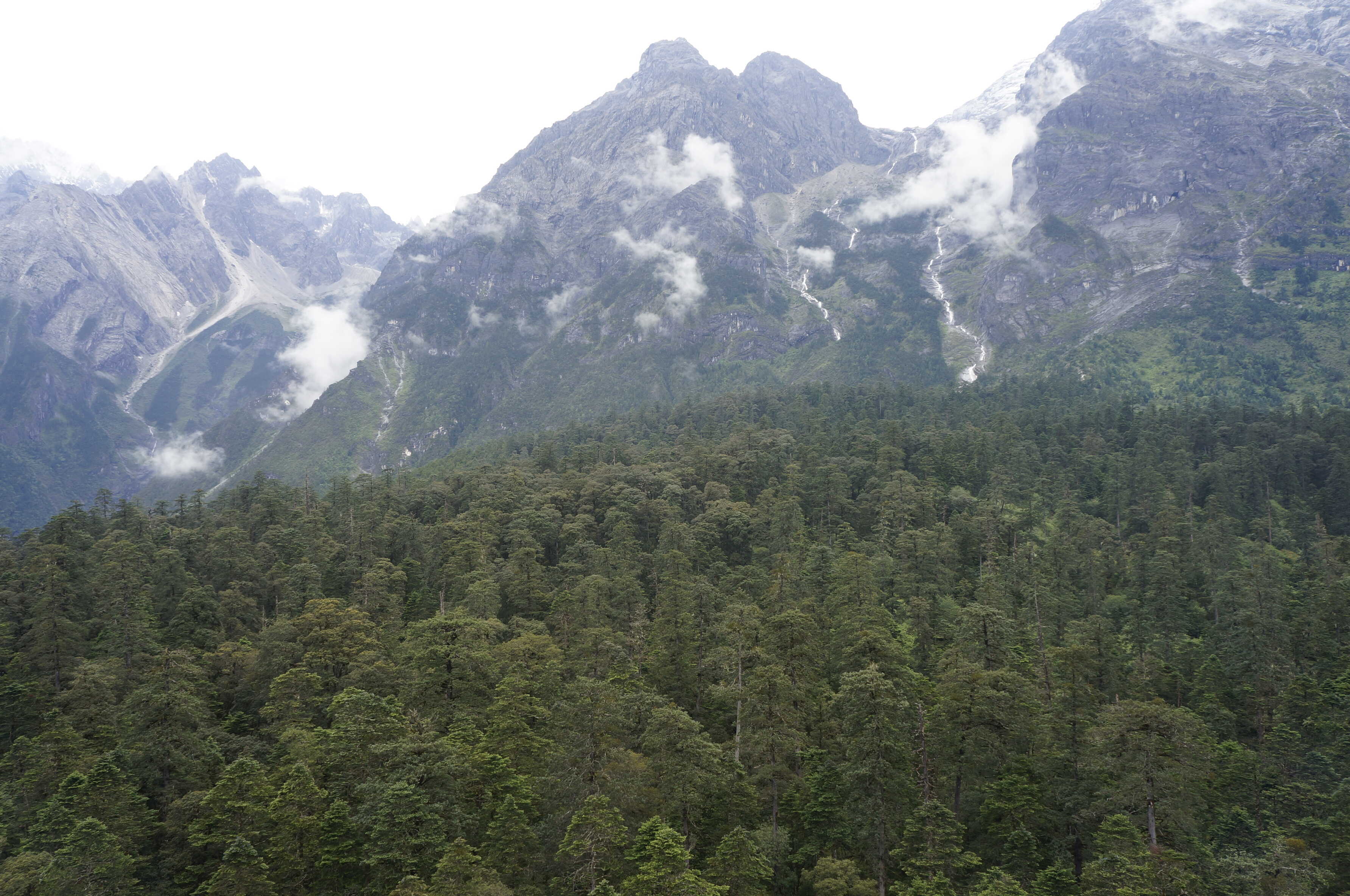
Forest plot in Lijiang (Image by HUANG Hua)
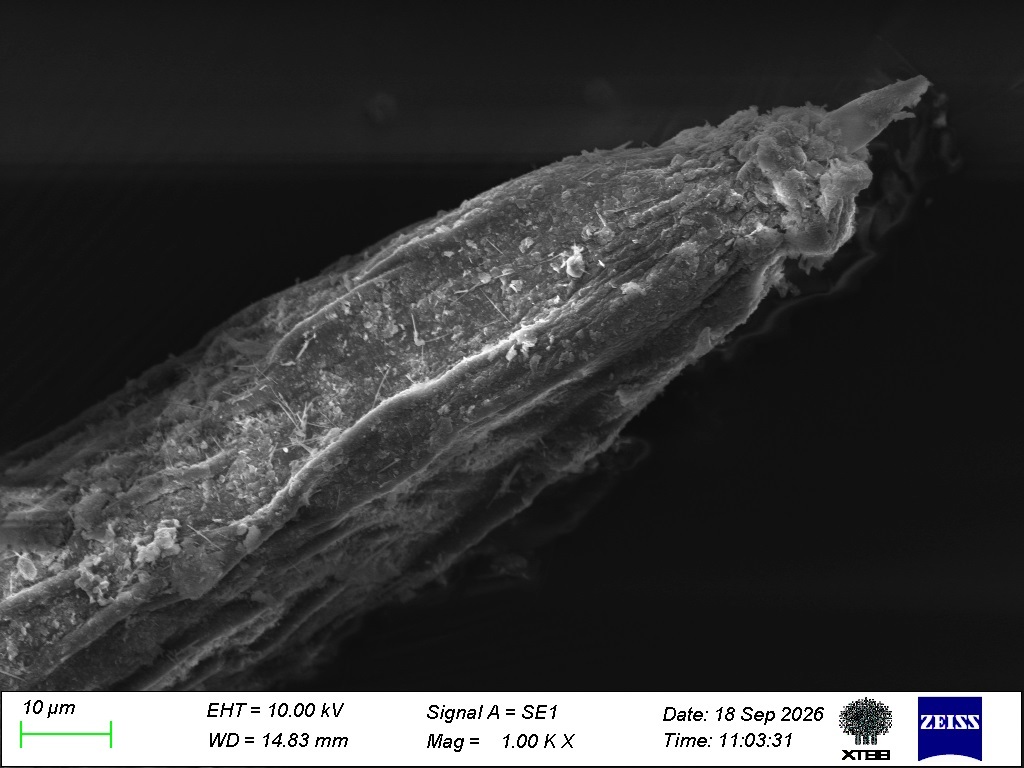
Soil nematode (Image by TANG Ting)
Published: 22 September 2026


