Nutrient Fluctuation Enhances Dominance of Two Invasive Plants
Fluctuating resource supply can make some of the most problematic invasive plants compete more successfully against native plants. However, previous research on how nutrient fluctuations affect plant invasion has largely relied on greenhouse or simplified experiments. It remains unclear whether these mechanisms are also relevant under natural conditions.
In a study published in Basic and Applied Ecology, researcher from University of Tubingen and Xishuangbanna Tropical Botanical Garden (XTBG) of the Chinese Academy of Sciences have provided the first natural-condition evidence that nutrient fluctuation, rather than average nutrient levels, can significantly enhance the competitive advantage of invasive plants over native species.
The researchers selected eight field sites in southwest Germany invaded by two of Europe's most problematic alien plants: Asian knotweed (Reynoutria bohemica) and Canada goldenrod (Solidago canadensis). Three treatments were established: low nutrient variability (fixed weekly fertilization), high nutrient variability (double fertilizer amount every two weeks, with total fertilizer input equal across treatments), and a control group (water only).
At the end of the growing season, the researchers harvested all aboveground biomass and separated invaders from native plant materials. They assessed the impacts of nutrient fluctuation by monitoring biomass and dominance of both invasive plants and native communities.
The results showed that high nutrient variability significantly enhanced invasive plant dominance. After several months of high-variability treatment, the aboveground biomass of the two invasive species increased by 66.1% and 137.7%, respectively, compared with the low-variability and control groups. This increase was accompanied by noticeable improvements in their community dominance.
In contrast, low nutrient variability had no significant effect. Additional nutrient inputs did not alter the competitive balance between invasive and native species. Native communities showed differential responses: total native plant biomass was not significantly affected by high nutrient variability。
"To our knowledge, this is the first field evidence that increased nutrient variability alone can promote plant invasion in natural communities," said LIAO Zhiyong of XTBG. "It demonstrates that fluctuating resources can alter invasion success even within a single growing season."
The researchers note that further research is needed on additional invasive species and long-term effects to predict ecosystem responses under global environmental change. "As environmental variability continues to rise, it will be essential to identify which species and functional groups benefit from fluctuating resources,” added LIAO.
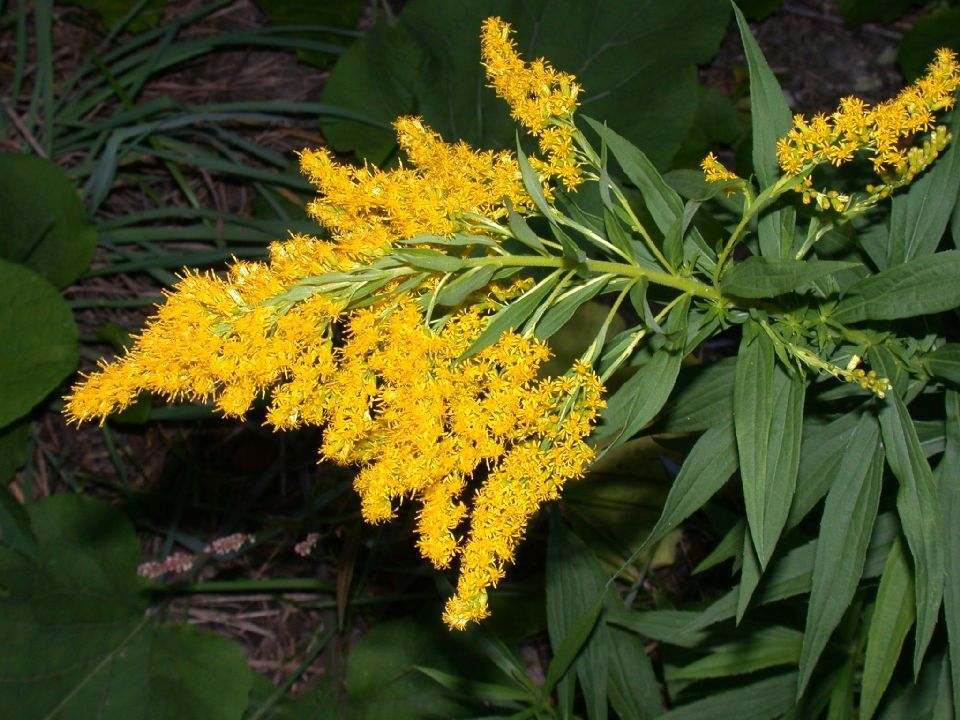
Solidago canadensis (credit: plantsystematics.org )
Available online 28 October 2026
 Appendix:

