-
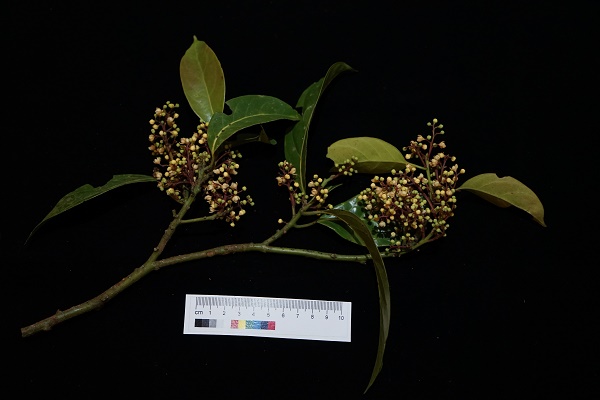
New tree species of Lauraceae family found in YunnanDuring recent field surveys in south-eastern Yunnan Province, researchers from Xishuangbanna Tropical Botanical Garden (XTBG) collected an unknown Lauraceae species with very large fruits. After careful morphological studies, they confirmed it belonged to the genus Endiandra and was a species new to science. They named it as Endiandra macrocarpa to refer to its very large fruits compared to the other species within the genus Endiandra. The new species was published in PhytoKeys.Apr 13, 2023
-
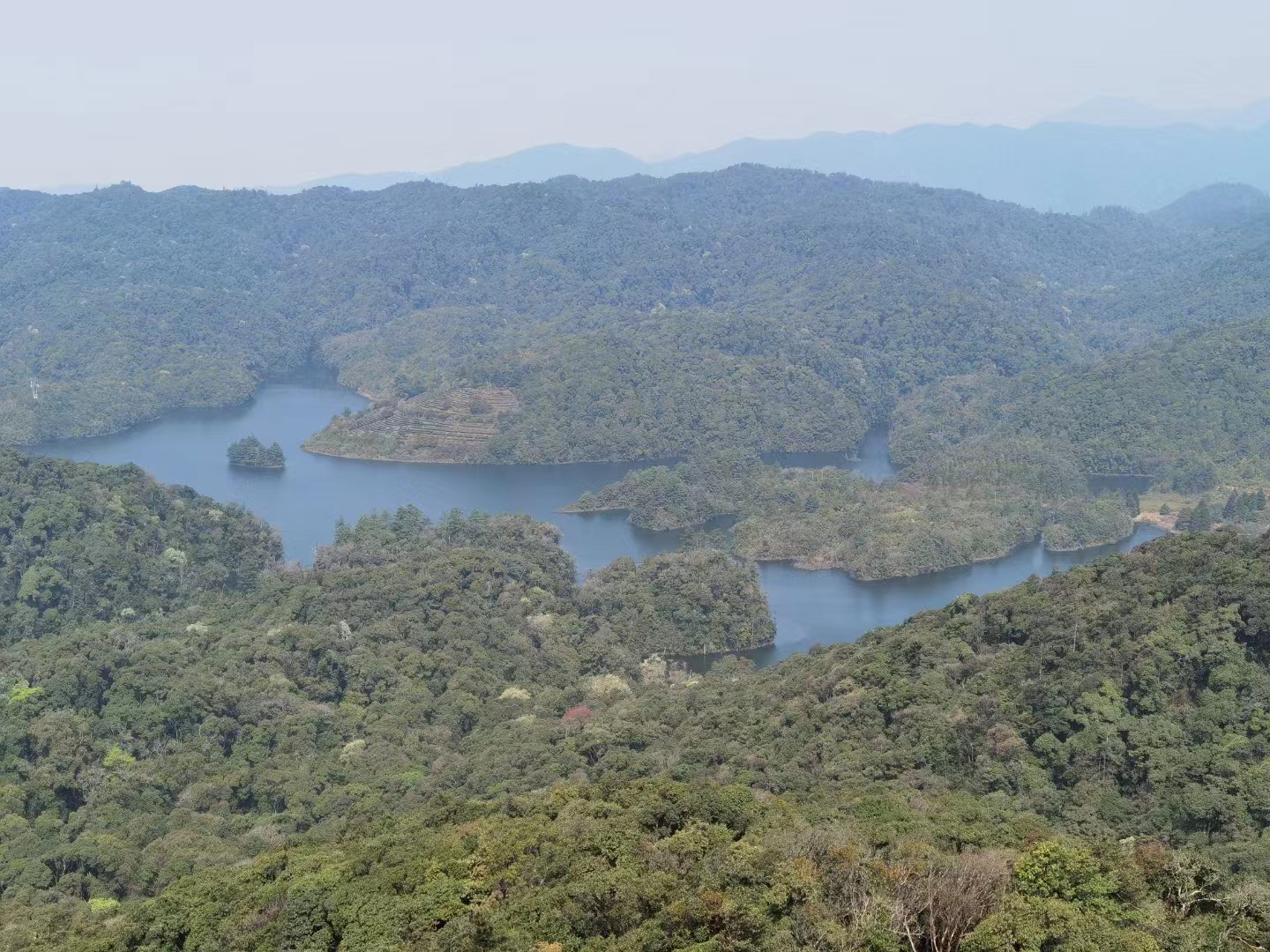
How is plant fitness promoted under nitrogen deposition?To understand how adaptive strategies promote plant fitness under N deposition, researchers from Xishuangbanna Tropical Botanical Garden (XTBG) evaluated the responses of leaf functional traits, their plasticity, and integration in dominant seedling species in a subtropical montane forest in Yunnan.Apr 10, 2023
-
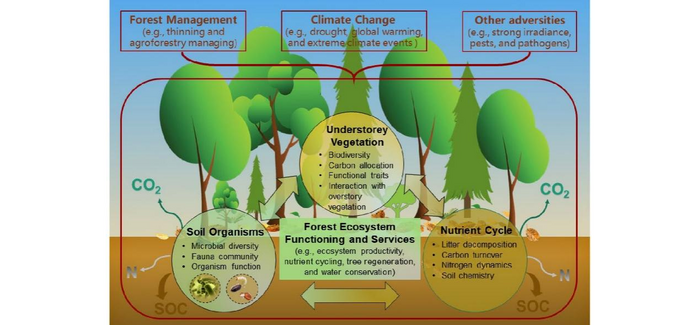
Forest understory vegetation study: current status and future trendsApr 03, 2023
-
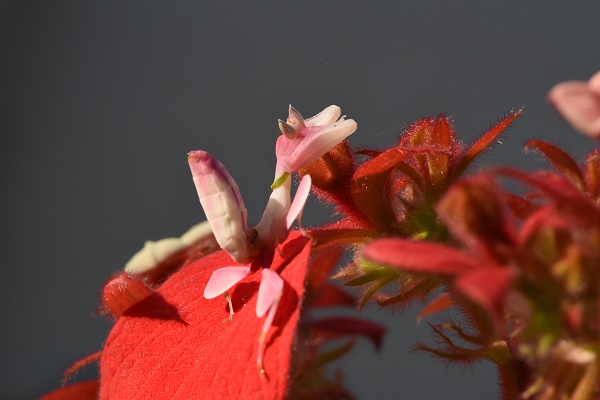
How does orchid mantis adapt and evolve?Researchers from Xishuangbanna Tropical Botanical Garden (XTBG) recently presented the first study systematically investigating basic biological characteristics in a classic conspicuous masquerader.Mar 29, 2023
-
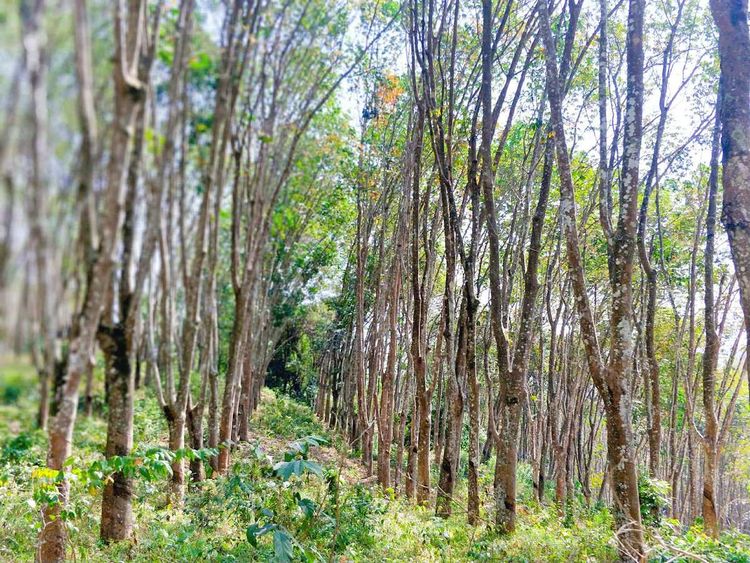
New payment system developed to support reconversion of rubber plantationsIn a study published in Global Ecology and Conservation, researchers from Xishuangbanna Tropical Botanical Garden (XTBG) and their collaborators developed a combined market and environment payment system to simulate the reconversion dynamics of forested rubber plantations as stimulated by economic benefits.Mar 24, 2023
-
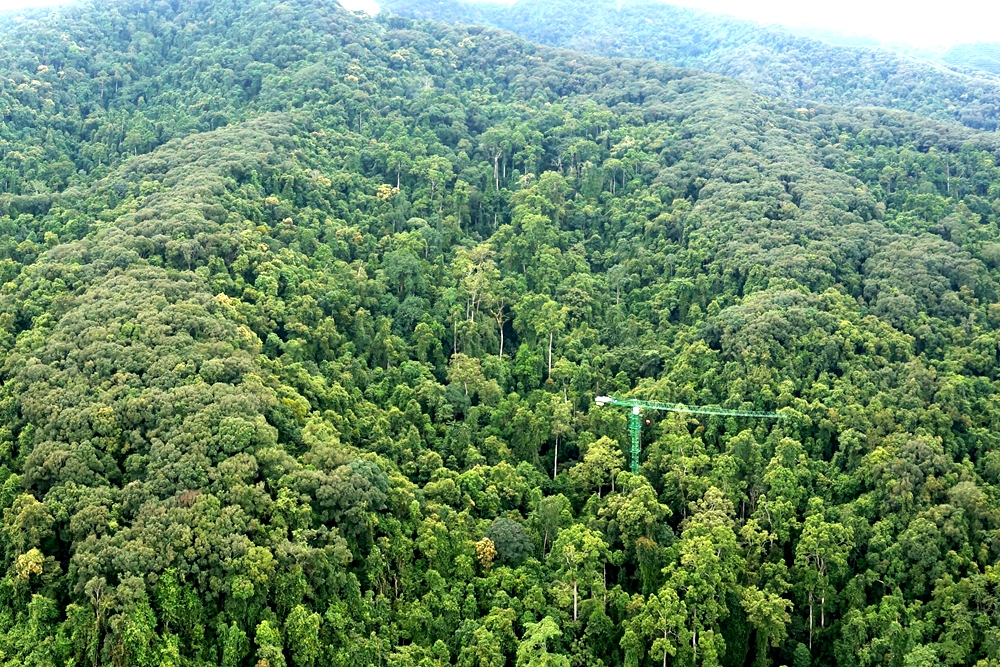
Study provides insights into interspecific variations of herbivory in tropical forestIn a study published in Ecology, researchers from Xishuangbanna Tropical Botanical Garden (XTBG) and Research Center for EcoEnvironmental Sciences evaluated the effects of canopy height, neighbors’ species richness and composition and leaf traits on leaf herbivory in a tropical rainforest.Mar 22, 2023
-
Honey bees receive flight instruction and vector source by following danceIn a study published in PNAS, researchers from the Xishuangbanna Tropical Botanical Garden (XTBG) of the Chinese Academy of Sciences, Freie Universit?t Berlin and Rutgers University showed that the dance of the returning honeybee forager conveys the direction and distance of the food source from the hive to the honeycomb surface, a kind of map—a representation of where the food source is.Mar 15, 2023

-
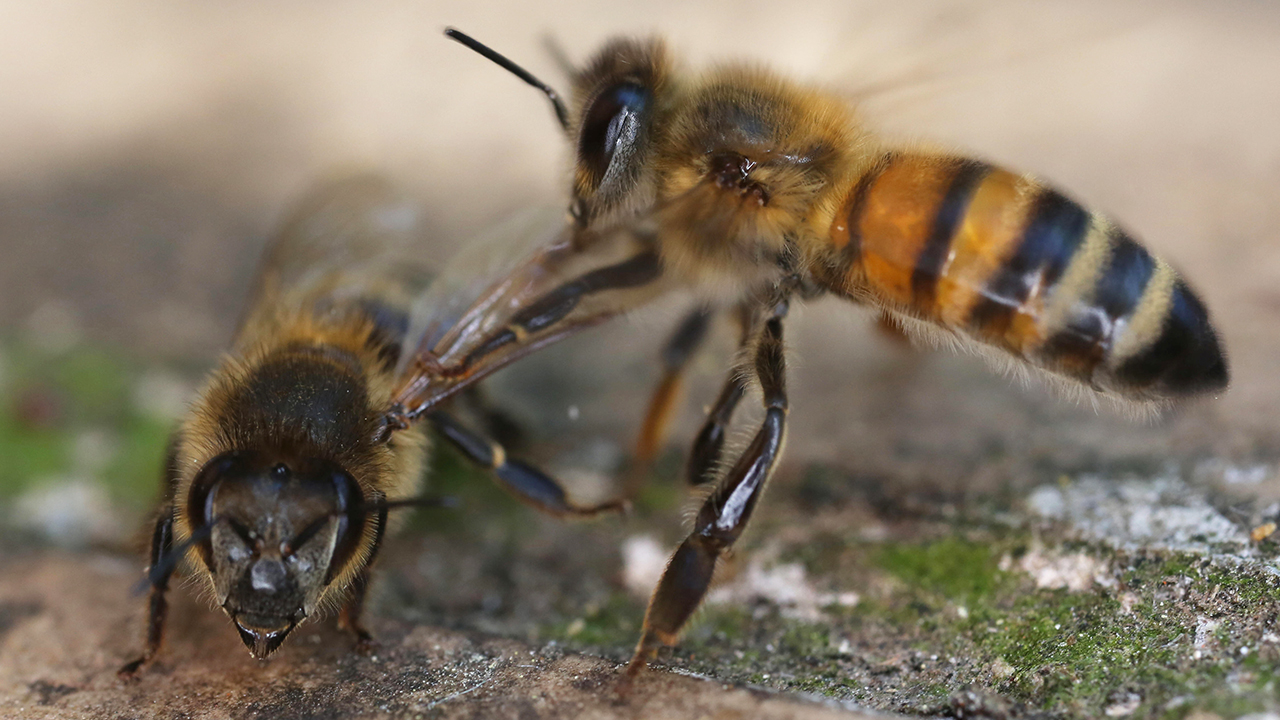
Study reveals how honey bee undertakers recognize dead matesIn a study published in Entomologia Generalis, researchers from Xishuangbanna Tropical Botanical Garden (XTBG) tried to identify the signals used by undertakers to detect death in honey bees.Mar 14, 2023
-
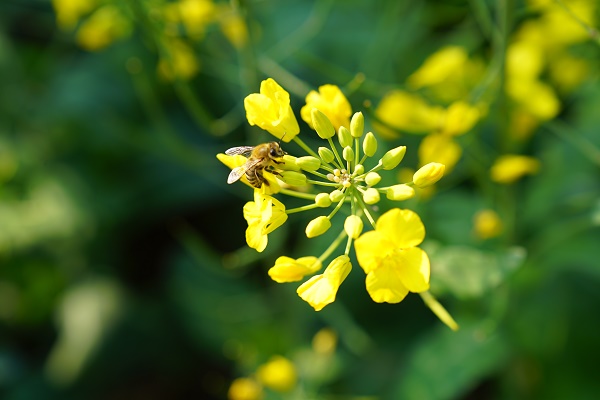
Honey bees use social learning to improve waggle dancingYoung honey bees follow dances of older bees to improve performance In a study published in Science, researchers from the Xishuangbanna Tropical Botanical Garden (XTBG) of the Chinese Academy of Sciences and the University of California San Diego have shown that honey bees use social signal learning to improve their ability to waggle dance.Mar 10, 2023
-
How is Jasmonate signaling enhanced under phosphorous-deficient conditions?In a study published in The Plant Cell, researchers from Xishuangbanna Tropical Botanical Garden (XTBG) used molecular and genetic approaches to reveal the biological functions of PHOSPHATE STARVATION RESPONSE1 (PHR1) in the jasmonate signaling pathway and to clarify how Pi deficiency cooperates with endogenous jasmonate signaling to mediate physiological processes in plants.Mar 03, 2023
-
Study presents first systematic analysis of diversity and distribution patterns of orchids on Mt. VictoriaIn a study published in Global Ecology and Conservation, researchers from Xishuangbanna Tropical Botanical Garden (XTBG) and their collaborators present the first systematic analysis of the diversity and distribution patterns of orchids along elevation gradients on Mt. Victoria, Myanmar.Feb 24, 2023
-
Coordination exists between tree allometrics and functional traitsIn a study published in Ecology and Evolution, researchers from Xishuangbanna Tropical Botanical Garden (XTBG) and University of Notre Dame addressed the degree to which commonly measured functional traits predict tree architecture in a tropical forest. Specifically, they tested whether conservative functional trait values (i.e., dense wood, heavy seeds, slow leaf economics) are related to trees that are shorter in stature with larger crowns at a given stem diameter.Feb 22, 2023
