-
Newly discovered paleogene fossil pushes loquat's origins back 30 million yearsThe newly discovered, remarkably well-preserved leaf fossil from southwestern China has pushed the evolutionary history of the loquat (Eriobotrya japonica) back to the early Oligocene, roughly 30 million years ago. The research provides the oldest reliable record of the genus Eriobotrya and sheds new light on how climate change and karst landscapes shaped the evolution and expansion of one of the world's most beloved subtropical fruit trees.Nov 03, 2026

-
"Double Mutualist" Birds Are Key to Mistletoe ReproductionResearchers from Xishuangbanna Tropical Botanical Garden (XTBG) of the Chinese Academy of Sciences found that some bird species act as “double mutualists” for a common mistletoe, both pollinating its flowers and dispersing its seeds. These double mutualists play a highly effective role in mistletoe reproduction.Oct 30, 2026

-
"pH Plasticity" May Explain How PhoD Gene Sustains Organic Phosphorus Mineralization Across Diverse SoilsResearchers from Xishuangbanna Tropical Botanical Garden (XTBG) of the Chinese Academy of Sciences and their collaborators suggest that the PhoD gene and the alkaline phosphatase (ALP) it encodes may help sustain organic phosphorus (P) mineralization even in acidic soils.Oct 27, 2026

-
Wild Boar Abundance Linked to Crop Damage and Higher Vertebrate RichnessResearchers from Xishuangbanna Tropical Botanical Garden (XTBG) of the Chinese Academy of Sciences showed that although wild boar abundance is linked to increased crop damage, these controversial animals may also play a crucial role in supporting biodiversity and ecosystem stability in tropical forests.Oct 22, 2026

-
Researchers Identify New Anti-Obesity Compounds from Stahlianthus involucratusResearchers from the Xishuangbanna Tropical Botanical Garden (XTBG) of the Chinese Academy of Sciences and their collaborators identified oxygenated, aromatic cadinane-type sesquiterpenoid dimers (CSDs) from Stahlianthus involucratus as a new class of natural compounds with significant anti-obesity potential.Oct 15, 2026

-
Key advances in population genomics and cross-kingdom applications based on the 2025 XTBG Population Genomics WorkshopOct 13, 2026

-
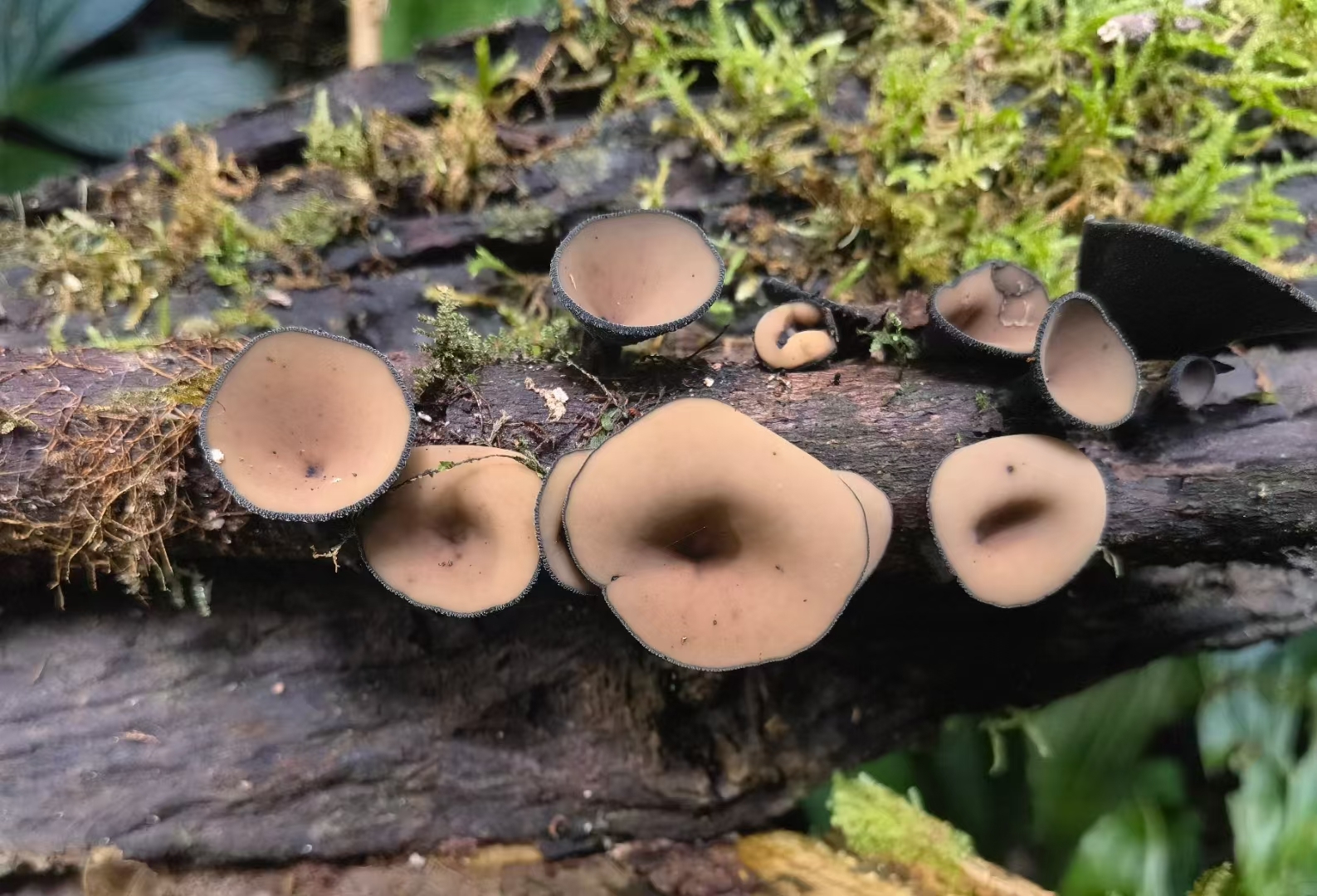
Bark Plays a Key Role in Shaping Fungal Communities During Tropical Tree DecompositionResearchers from the Xishuangbanna Tropical Botanical Garden (XTBG) of the Chinese Academy of Sciences and their collaborators found that bark plays a key role in shaping fungal communities during tropical tree decomposition. The presence of bark alters fungal community composition and assembly processes during wood decomposition in a tropical forest, but it does not change overall fungal or bacterial biomass.Oct 09, 2026
-
Multi-Goal Conservation Strategies Can Help Balance Biodiversity, Climate, and Equity, Study FindsOct 09, 2026
-
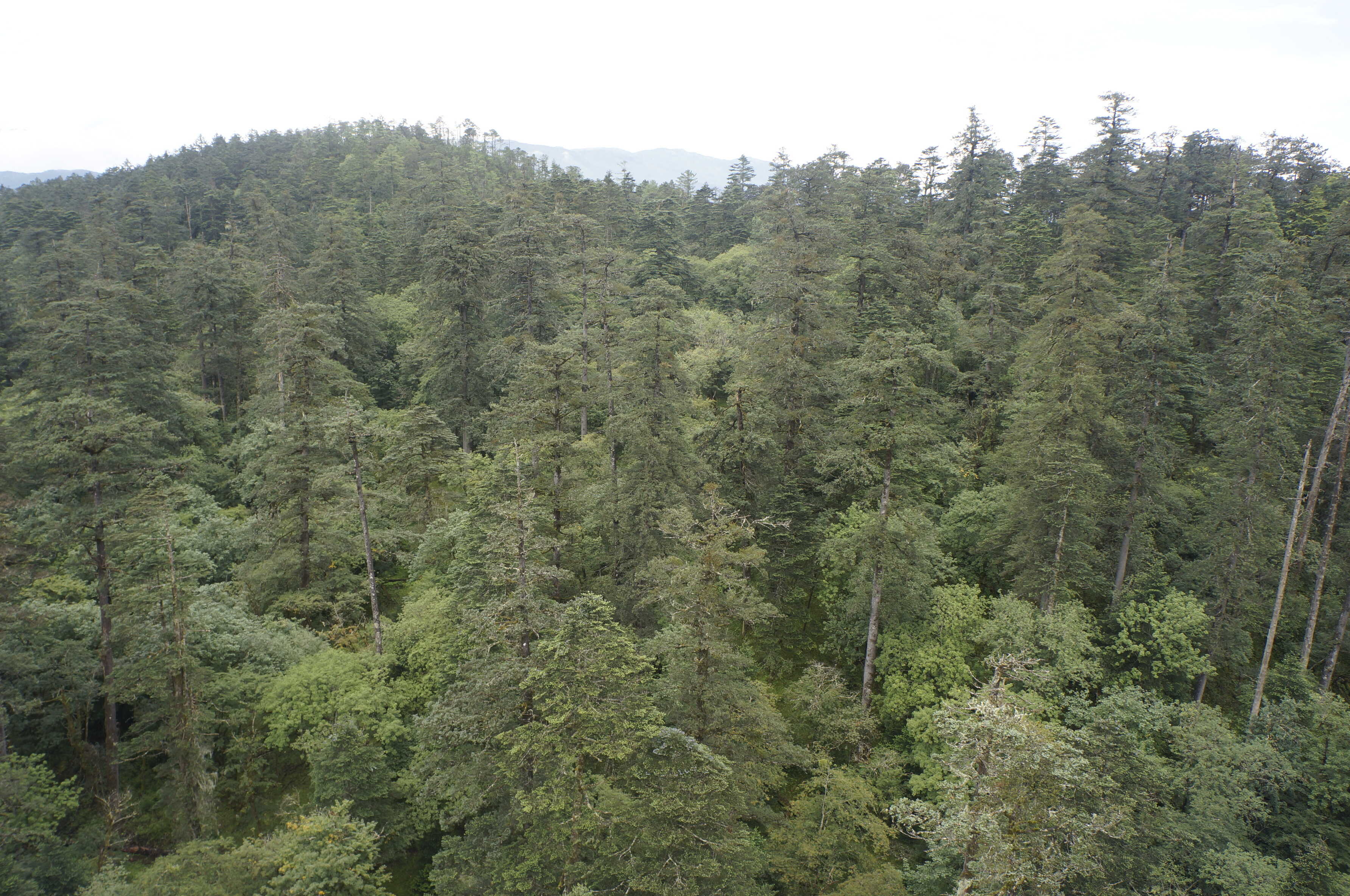
Leaves and Roots of the Same Tree Follow Distinct Defensive Strategies Across ElevationsResearchers from Xishuangbanna Tropical Botanical Garden (XTBG) of the Chinese Academy of Sciences have uncovered striking differences in how tree leaves and roots adjust their chemical composition along an elevational gradient. Leaves and roots of the same tree can have strikingly different chemical profiles and these organ-specific strategies shift systematically from tropical to subtropical and subalpine forests.Sep 30, 2026
-
Plant Turnover and Body Size Shape Soil Nematode Diversity Across LandscapesResearchers from the Xishuangbanna Tropical Botanical Garden (XTBG) of the Chinese Academy of Sciences and their collaborators revealed that plant community turnover and nematode body width play fundamental roles in shaping soil nematode diversity across different spatial scales. Their findings highlight that protecting the variety of plant species is essential for preserving nematode diversity and that a nematode’s body width largely determines how it spreads across the environment.Sep 23, 2026

-
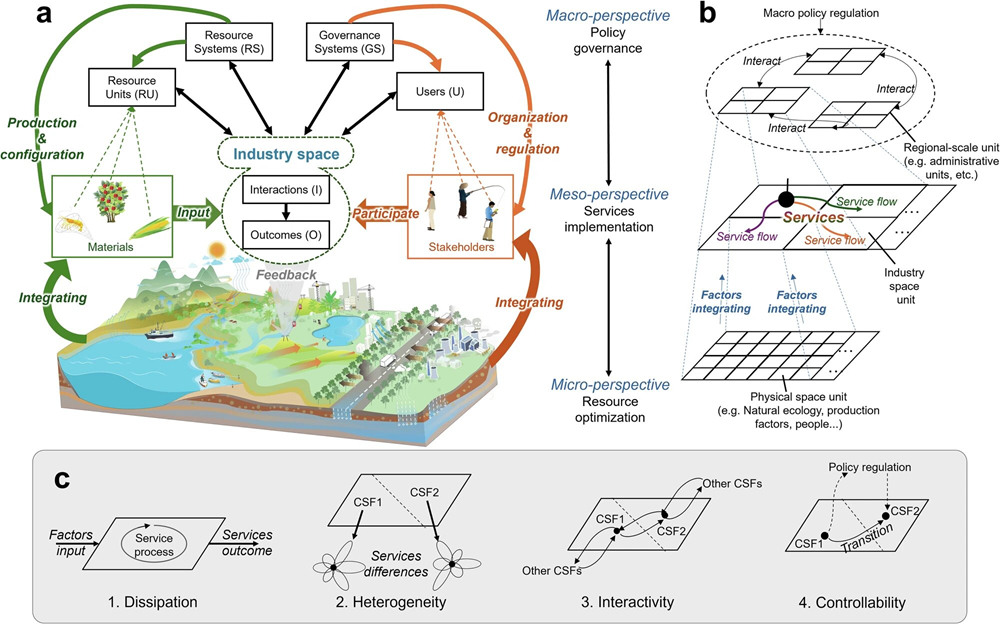
Researchers propose new spatial governance framework to reconcile industrial growth and ecological protectionResearchers from Xishuangbanna Tropical Botanical Garden (XTBG) proposed a new spatial governance framework termed “Industry Space”, to address the growing conflicts between economic development and environmental protection. It aims to help resolve the question how to meet economic and social needs without degrading the ecosystems that support them.Sep 22, 2026
-
Single Amino Acid Change in BrrPRMT10 Controls Flowering Time in TurnipResearchers from Xishuangbanna Tropical Botanical Garden (XTBG) have identified natural variation at the BrrPRMT10 locus as a key modulator of flowering time in turnip (Brassica rapa subsp. rapa), offering new insights into ecotype adaptation and a potential target for breeding climate-resilient Brassica crops.Sep 20, 2026