-
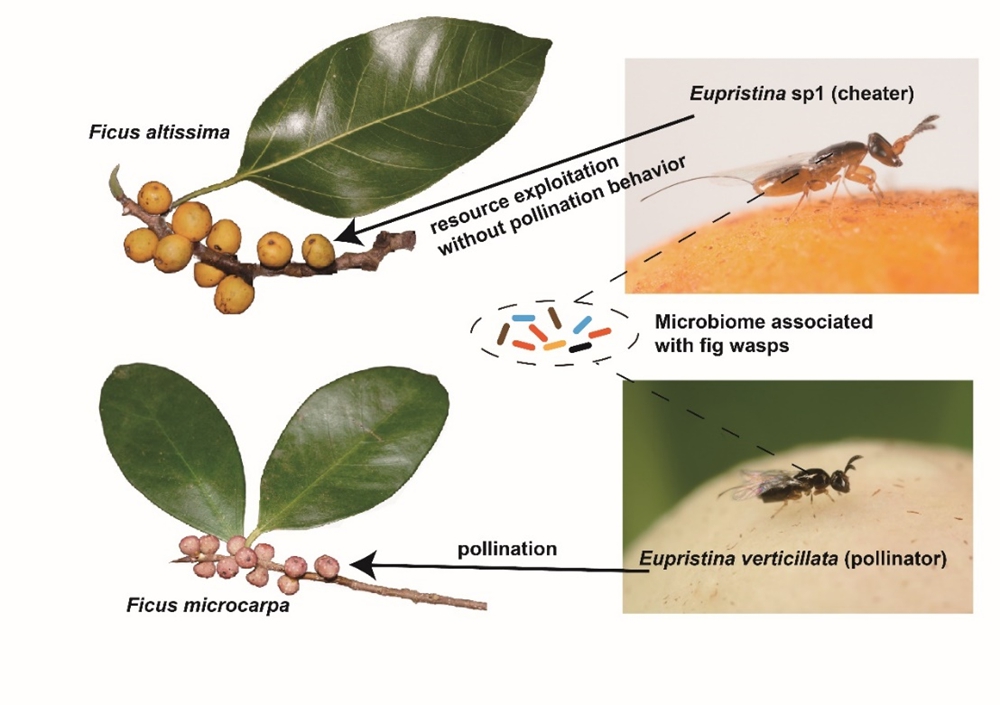
Study provides insights into how microbiome community and metabolic functions may couple with fig-wasp mutualismIn a study published in Frontiers in Microbiology, researchers from Xishuangbanna Tropical Botanical Garden (XTBG) explored the microbial diversity and potential metabolic functions in fig-wasp mutualism, which is a classic example of coevolution and obligatory pollinator system.Nov 23, 2022
-
Two new species of slender gecko reported from Yunnan karstsBased on fieldwork in the karst areas of Yunnan, XTBG researchers identified several potential new species. In a study published in Zoological Research, they described two new species (Hemiphyllodactylus simaoensis and Hemiphyllodactylus yanshanensis). They phylogenetically delimited new evolutionary lineages based on molecular evidence and diagnosed those lineages based on morphological evidence, with descriptions of the new species.Nov 21, 2022

-
Termite diversity and functional traits are quantitatively modelled for first timeTo explore patterns in termite taxonomic richness and functional biogeography, researchers from Xishuangbanna Tropical Botanical Garden (XTBG) created a dataset of termite species and their functional traits together with environmental data.Nov 16, 2022
-
Study summarizes regulatory effects of jasmonate on root growth inhibition and root hair elongationIn a study published in Journal of Experimental Botany, researchers from Xishuangbanna Tropical Botanical Garden (XTBG) summarized the current knowledge concerning the regulatory effects of jasmonate on root growth inhibition and root hair elongation. Jasmonate proteins interact with other transcription factors to regulate jasmonate-induced root growth inhibition and/or root hair elongation.Nov 14, 2022
-
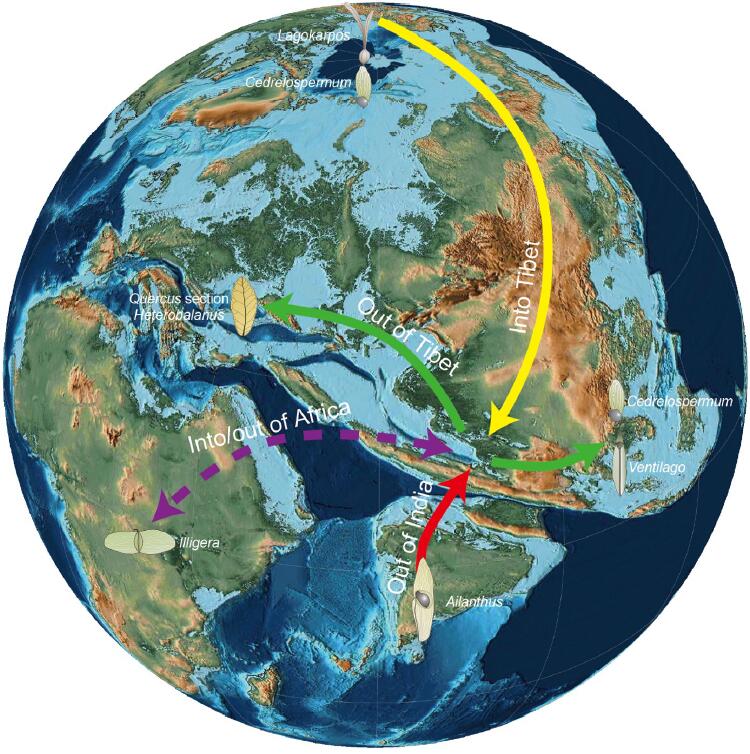
Study synthesizes Cenozoic palaeobotanical studies of Tibetan Region over past decadePlant fossils play an important role in understanding landscape evolution across the Tibetan Region, as well as plant diversity across wider eastern Asia. In the past decade, important progress has been achieved in Cenozoic paleobotany throughout the Tibetan Region. In a study published in SCIENCE CHINA: Earth Sciences, researchers from Xishuangbanna Tropical Botanical Garden (XTBG) and Kunming Institute of Botany (KIB) summarizes the major progress in five ways.Nov 09, 2022
-
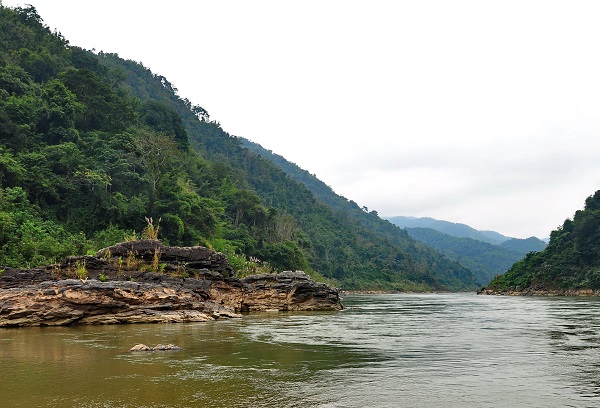
Riparian areas could act as climatic refugia for plant diversityIn a study published in Science of the Total Environment, researchers from Xishuangbanna Tropical Botanical Garden (XTBG) investigated the importance of riparian areas for biodiversity conservation management, by identifying climatic refugia for threatened woody plant species.Nov 04, 2022
-
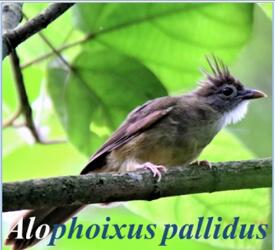
Autonomous recording units can be standardized protocols of forest plot networkIn a study published in Remote Sensing in Ecology and Conservation, researchers from Xishuangbanna Tropical Botanical Garden (XTBG) and Guangxi University documented interactions between frugivorous birds and fruiting trees on a ForestGeo plot in southwestern China. The researchers deployed nine autonomous recording units (ARUs) in a grid on the 20-ha plot, placed at least 150?m from each other, and used the freeware program Animal Sound Identifier (ASI) to detect bird vocalizations.Nov 02, 2022
-
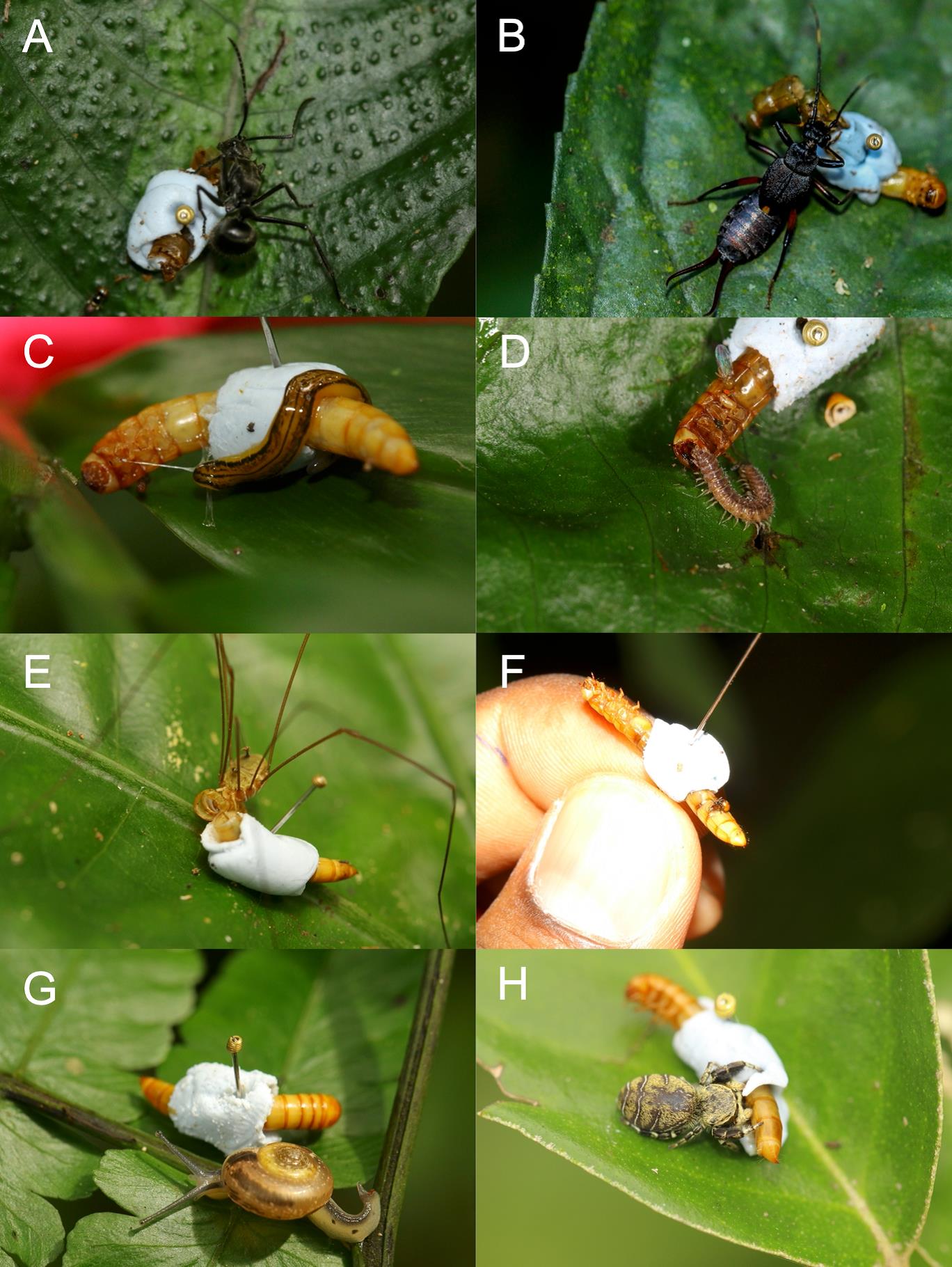
Plasticine models may underestimate predation biasIn a study published in ENTOMOLOGIA EXPERIMENTALIS ET APPLICATA, the potential estimation bias caused by the use of plasticine models was valued by a team of young researchers who have ever received training at the Advanced Field Course in Ecology and Conservation - Xishuangbanna (AFEC-X).Oct 28, 2022
-
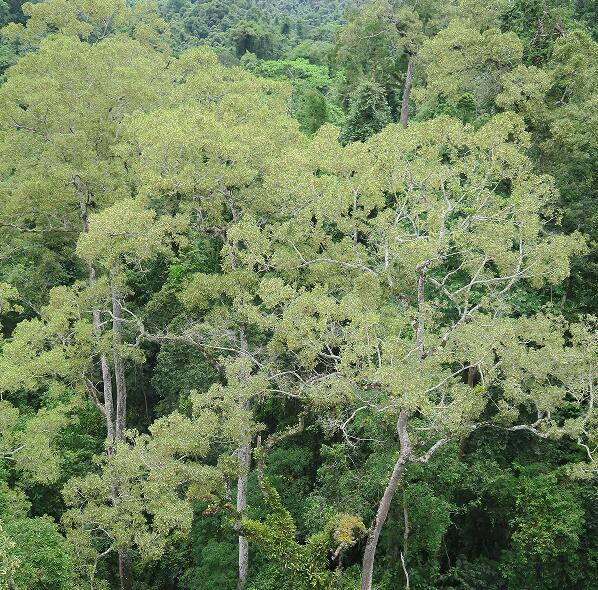
High-intensity phorophyte removal reduces epiphytic robustness in tropical forestOct 24, 2022
-
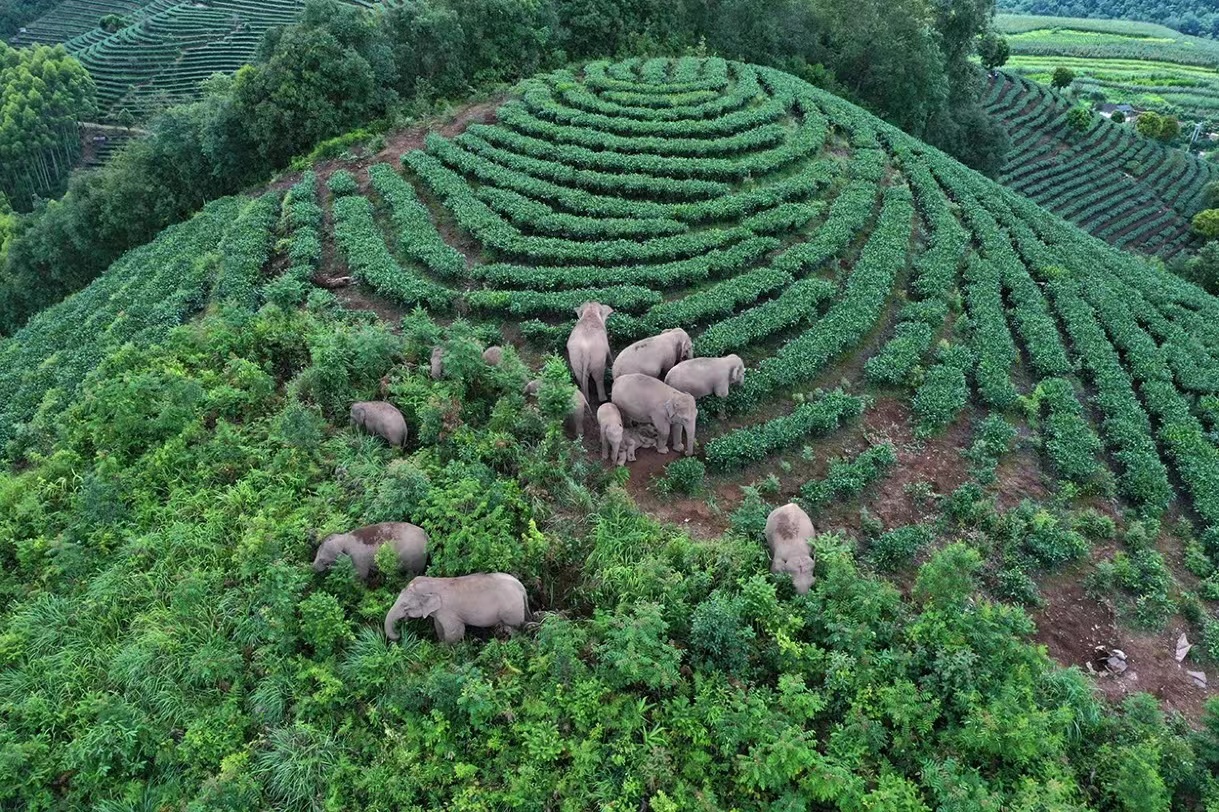
Elephants are likely to prefer habitats at outer edge of protected areasIn a study published in Journal of Applied Ecology, researchers from Xishuangbanna Tropical Botanical Garden (XTBG) and their international collaborators evaluated the role of protected areas on the protection of Asian elephants and their habitats in the Sundaic region.Oct 21, 2022
-
Kinetic energy of driptips is important when selecting intercropping species for rubber agroforestryIn a study published in Ecohydrology, researchers from Xishuangbanna Tropical Botanical Garden (XTBG) and their collaborators attempted to understand the rainfall interception mechanisms of the canopy and the underlying reduction in kinetic energy. They also tried to identify the most advantageous intercropping species that can reduce the kinetic energy of throughfall.Oct 19, 2022
-
Typical Wild Vegetables in Xishuangbanna, Yunnan publishedOct 14, 2022

