-
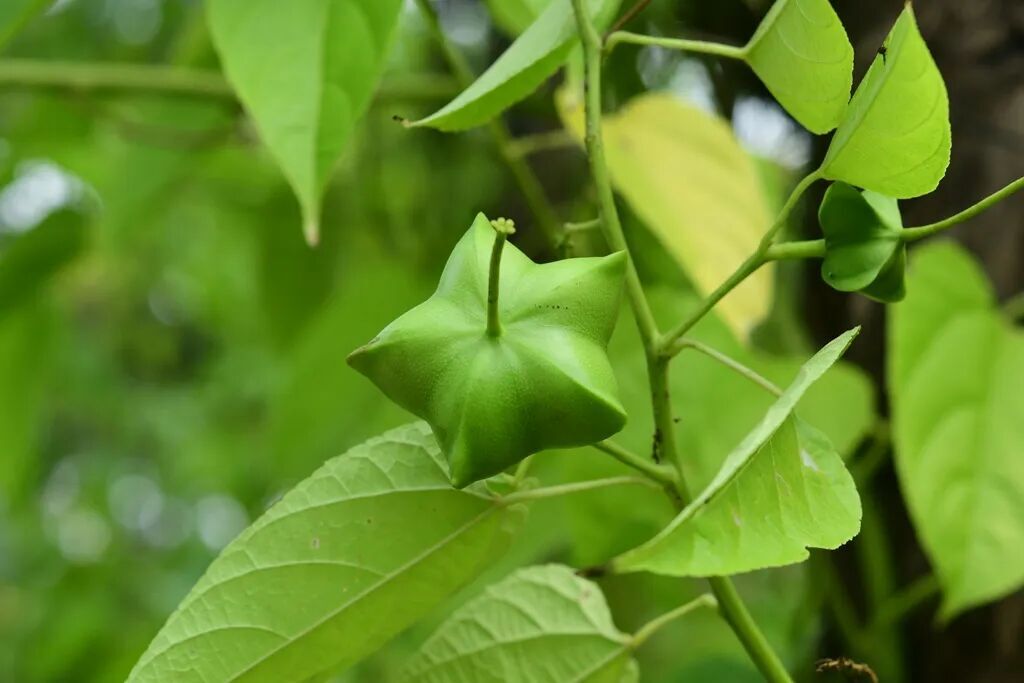
Quicklime Soil Treatment Increases Sacha Inchi Yield and Combats Root RotResearchers from Xishuangbanna Tropical Botanical Garden (XTBG) of the Chinese Academy of Sciences showed that sterilizing planting holes and topsoil with quicklime can significantly increase the yield of Sacha inchi, while effectively suppressing root rot disease. The finding offers a sustainable cultivation strategy to support the healthy development of the Sacha inchi industry.Feb 05, 2026
-
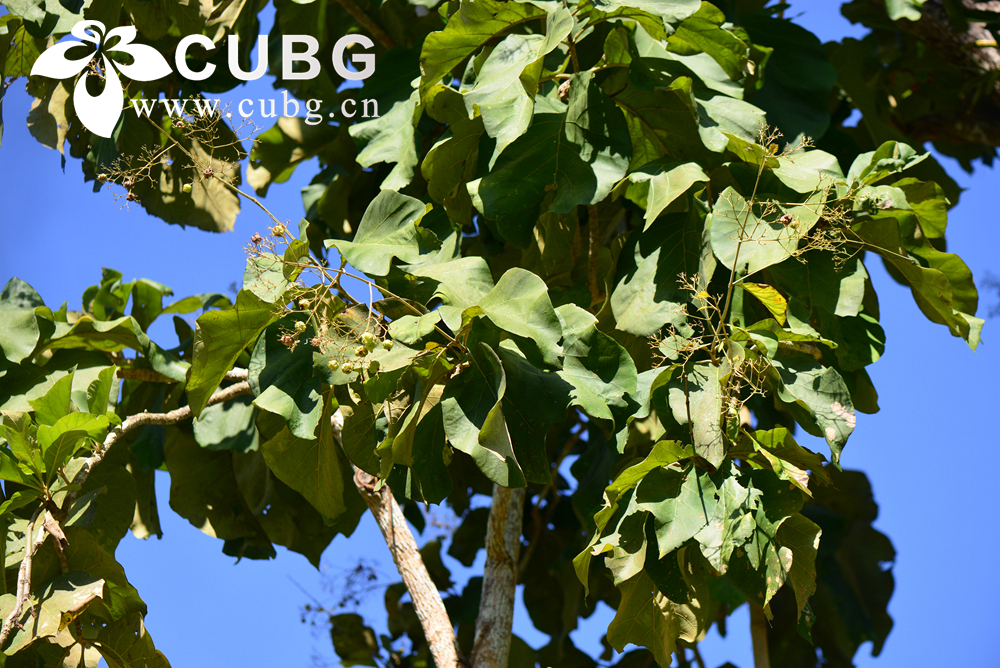
A Rare Natural Compound from Teak Tree Shows Promise for Diabetes and Lipid DisordersResearchers from Xishuangbanna Tropical Botanical Garden (XTBG) of the Chinese Academy of Sciences have identified a rare natural compound derived from the Teak tree (Tectona grandis) that works in two distinct ways to combat diabetes and lipid disorders. Using a bioactivity-guided isolation approach, the researchers isolated a rare double-quinone molecule named Tectograndone (TG1). For the first time, they showed that TG1 can both increase glucose absorption in fat cells and block a key enzyme involved in breaking down dietary fats.Feb 04, 2026
-
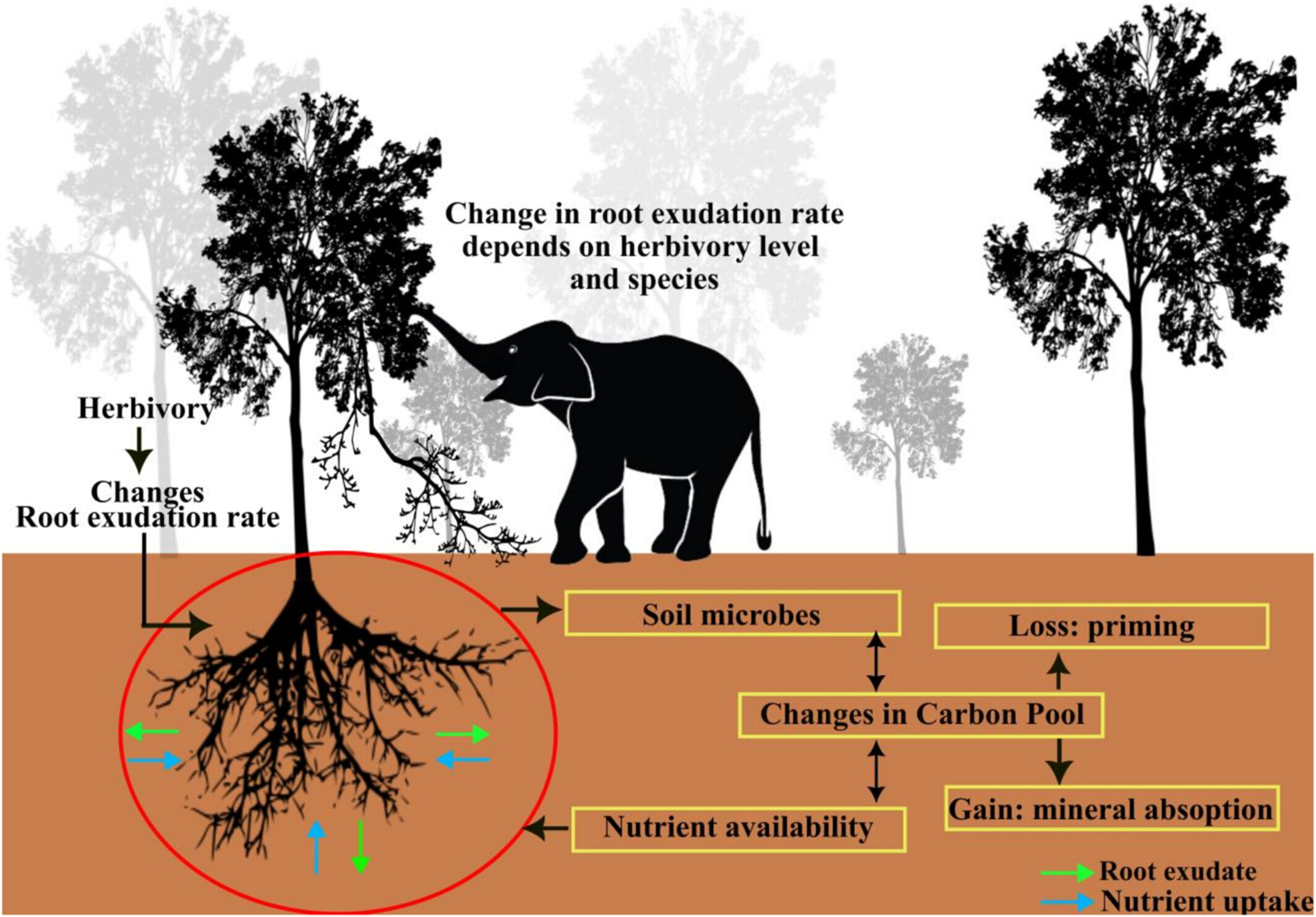
How Elephant Foraging Triggers Rapid Underground Carbon Releases in Tropical ForestsResearchers from Xishuangbanna Tropical Botanical Garden (XTBG) of the Chinese Academy of Sciences showed that the destructive foraging behavior of Asian elephants can trigger immediate and species-specific changes in how trees release carbon into the soil through their roots. This finding uncovers a previously hidden pathway linking animal disturbance to soil carbon dynamics, with important implications for conservation and climate resilience.Jan 30, 2026
-
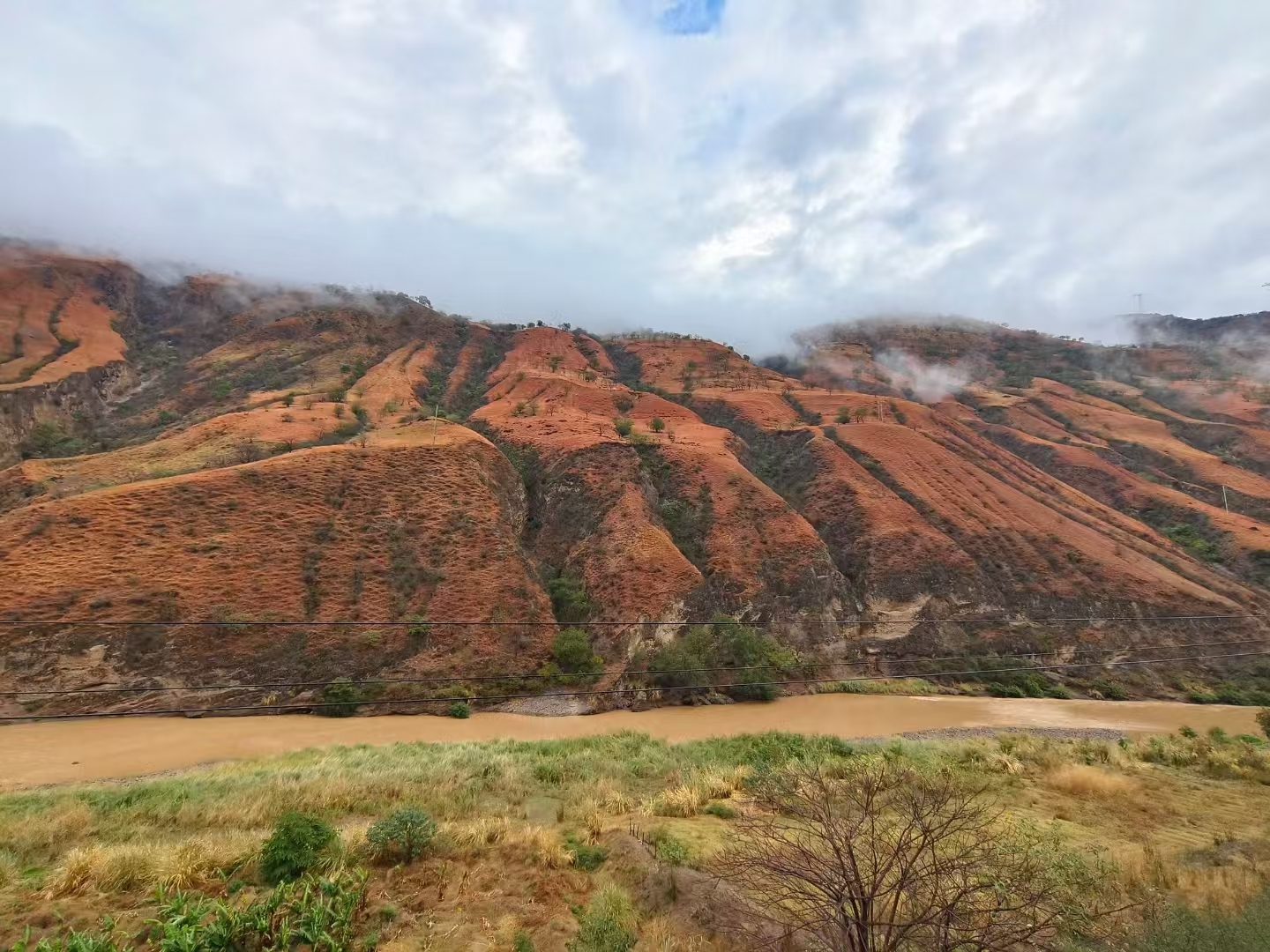
Extreme Droughts Cause Long-Term Changes in Savanna VegetationResearchers from Xishuangbanna Tropical Botanical Garden (XTBG) of the Chinese Academy of Sciences reveal that extreme droughts trigger long-lasting shifts in savanna vegetation, leading to complex and divergent effects on carbon storage, water cycles, and surface energy balance.Jan 28, 2026
-
Researchers Identify Key Gene for Enhancing Oil Yield and Quality in JatrophaResearchers from Xishuangbanna Tropical Botanical Garden (XTBG) of the Chinese Academy of Sciences have identified a key gene that can significantly increase both seed yield and oil content in Jatropha.Jan 27, 2026

-
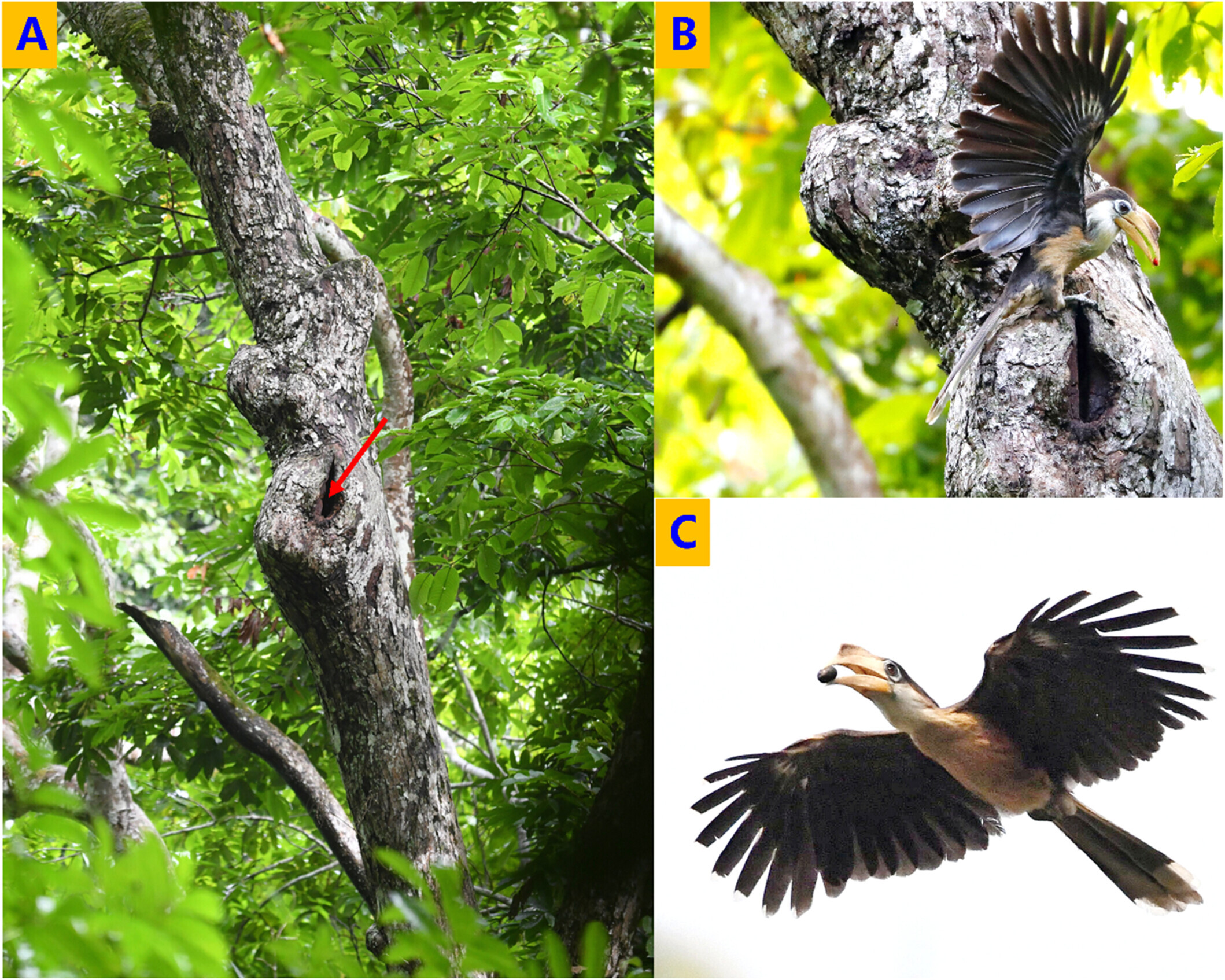
Researchers provide first definitive evidence of cooperative breeding in brown hornbillsJan 26, 2026
-
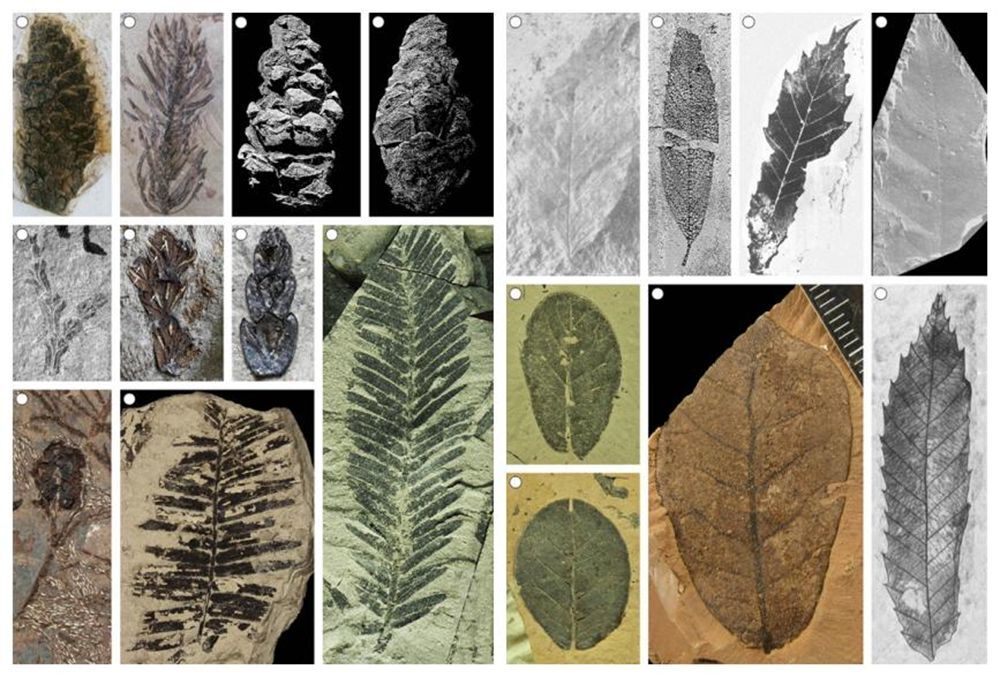
Atlas of Neogene Stratigraphy and Index Fossils in China releasedJan 22, 2026
-
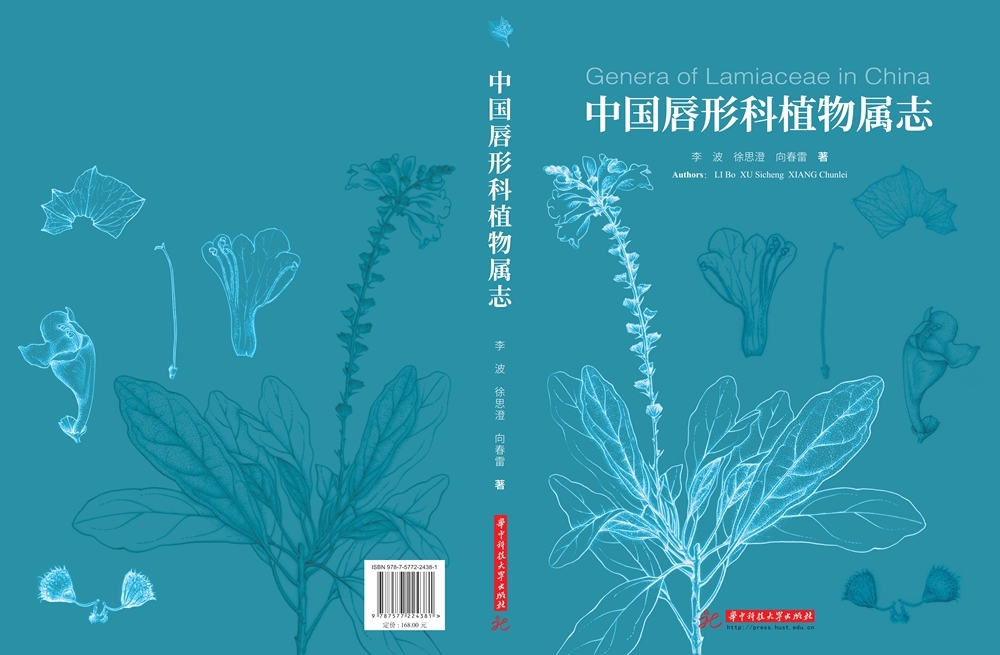
Genera of Lamiaceae in China releasedJan 22, 2026
-
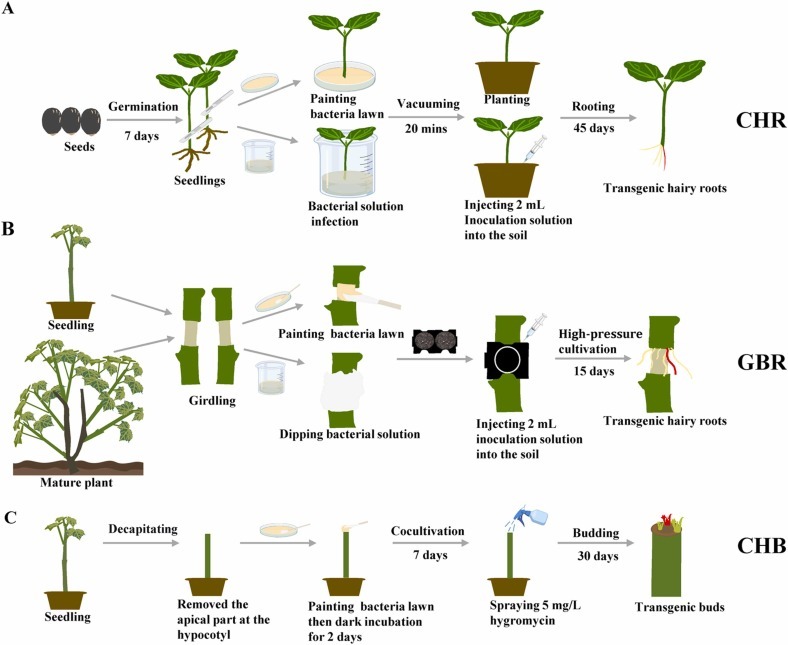
First Tissue Culture-Free Genetic Transformation System Established for Jatropha curcasResearchers from Xishuangbanna Tropical Botanical Garden (XTBG) of the Chinese Academy of Sciences have successfully established a new, efficient genetic transformation system for Jatropha curcas (J. curcas), bypassing the need for complex and time-consuming tissue culture techniques. The system used the plant’s cambium (a layer of actively dividing cells) as the primary receptor for gene delivery, enabling direct in situ generation of transgenic roots and shoots.Jan 22, 2026
-
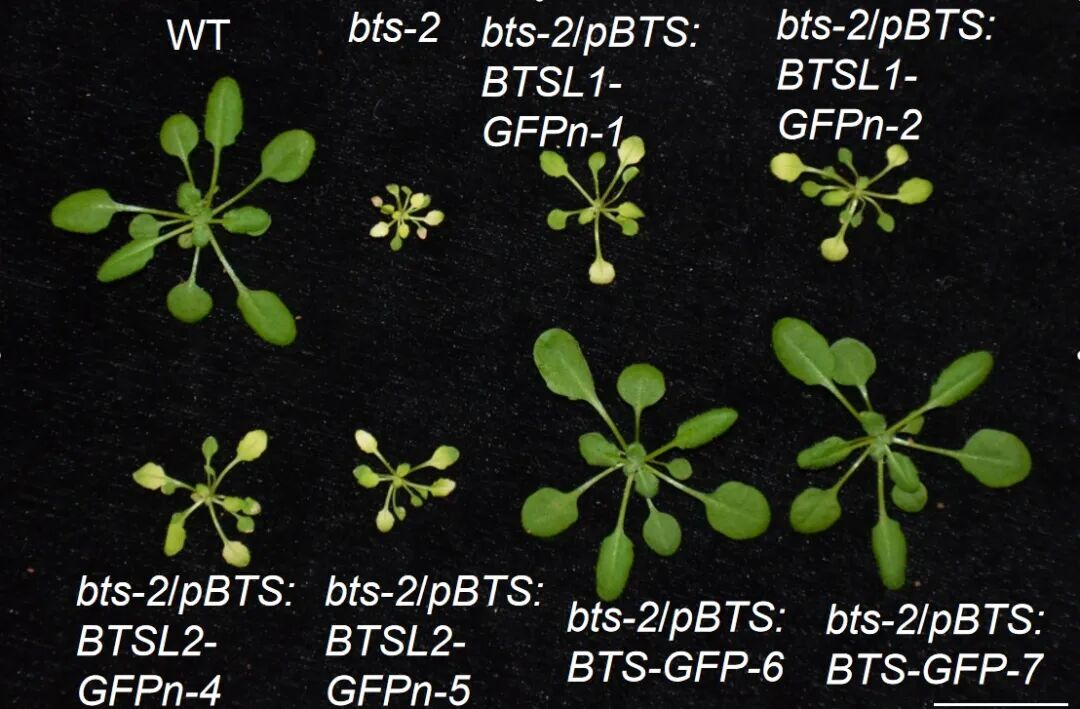
How a Protein Network Cooperatively Regulates Iron Balance in Plants?Jan 20, 2026
-
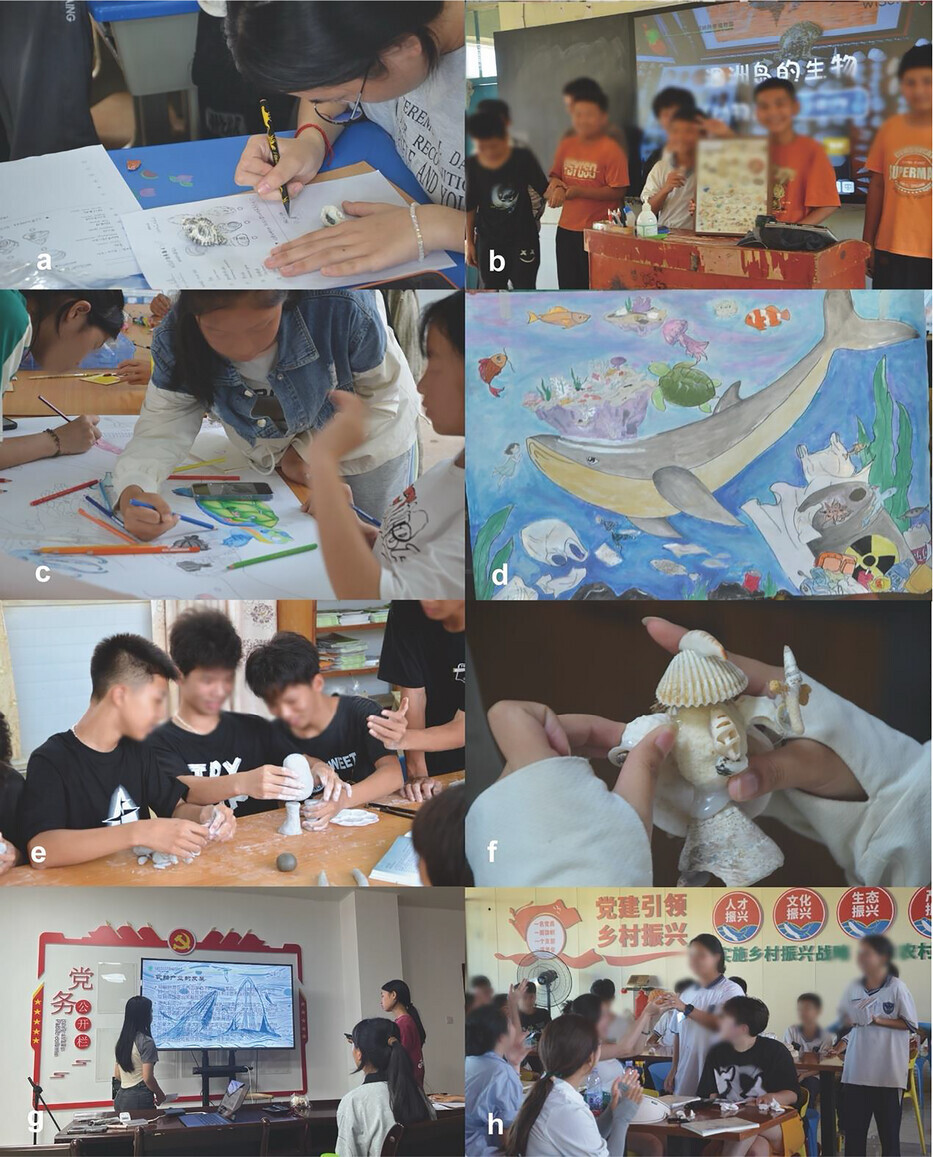
Place-Based Education Effective in Empowering Chinese Adolescents for Nature ConservationResearchers from Xishuangbanna Tropical Botanical Garden of the Chinese Academy of Sciences demonstrate that place-based education significantly enhances pro-nature conservation behavior in adolescents. The study showed that a strong sense of place gives people the confidence to act for conservation, which drives them to take actual steps to conserve nature.Jan 19, 2026
-
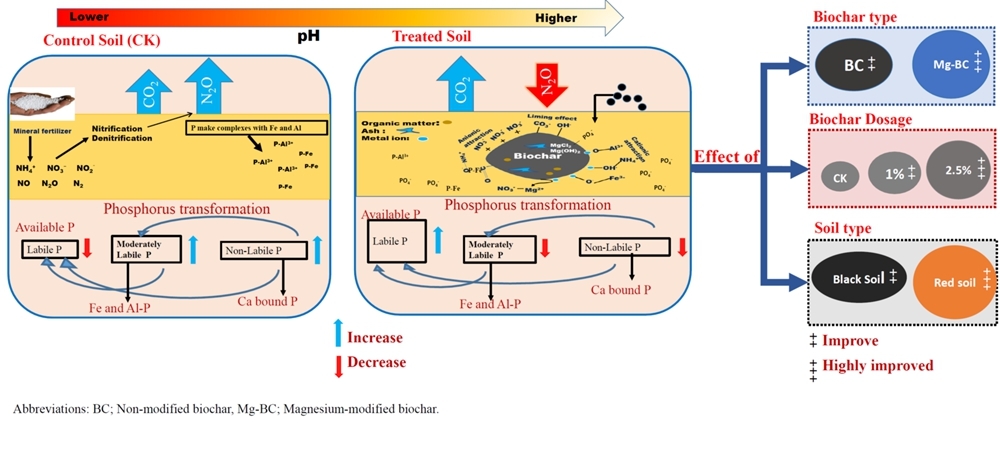
How Modified Biochar Influences Soil Nutrients and Greenhouse Gas Emissions in Degraded Soils?Researchers from Xishuangbanna Tropical Botanical Garden (XTBG) of the Chinese Academy of Sciences and their collaborators investigated the effects of applying pristine biochar (BC) and magnesium-modified biochar (Mg-BC) at two rates (1% and 2.5% by weight) to degraded red and black soils. They found that both biochar types improved overall soil physicochemical properties and enhanced enzyme activities, with Mg-BC showing more pronounced benefits.Jan 15, 2026