-
Researchers update classification system of Lamiaceae in ChinaMar 26, 2026
-
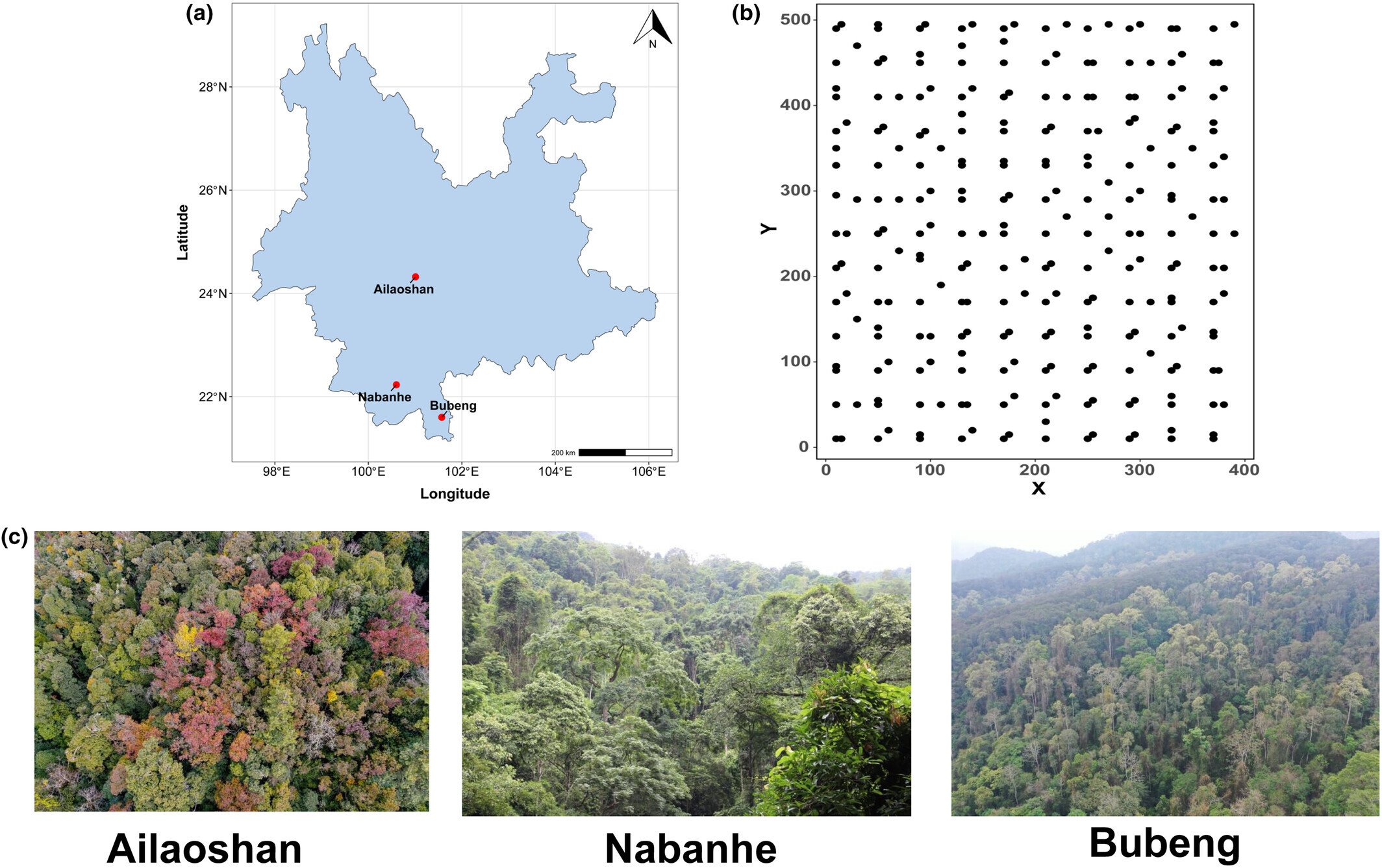
How Do Canopy Trees Balance Survival and Growth Resources Across Climates?Researchers from Xishuangbanna Tropical Botanical Garden (XTBG) of the Chinese Academy of Sciences and Northeast Forestry University reveal that trees adopt distinct strategies to balance water transport, sugar distribution, and storage depending on their climate.The study is the first to systematically compare functional ratios in mature canopy woody plants.Mar 25, 2026
-
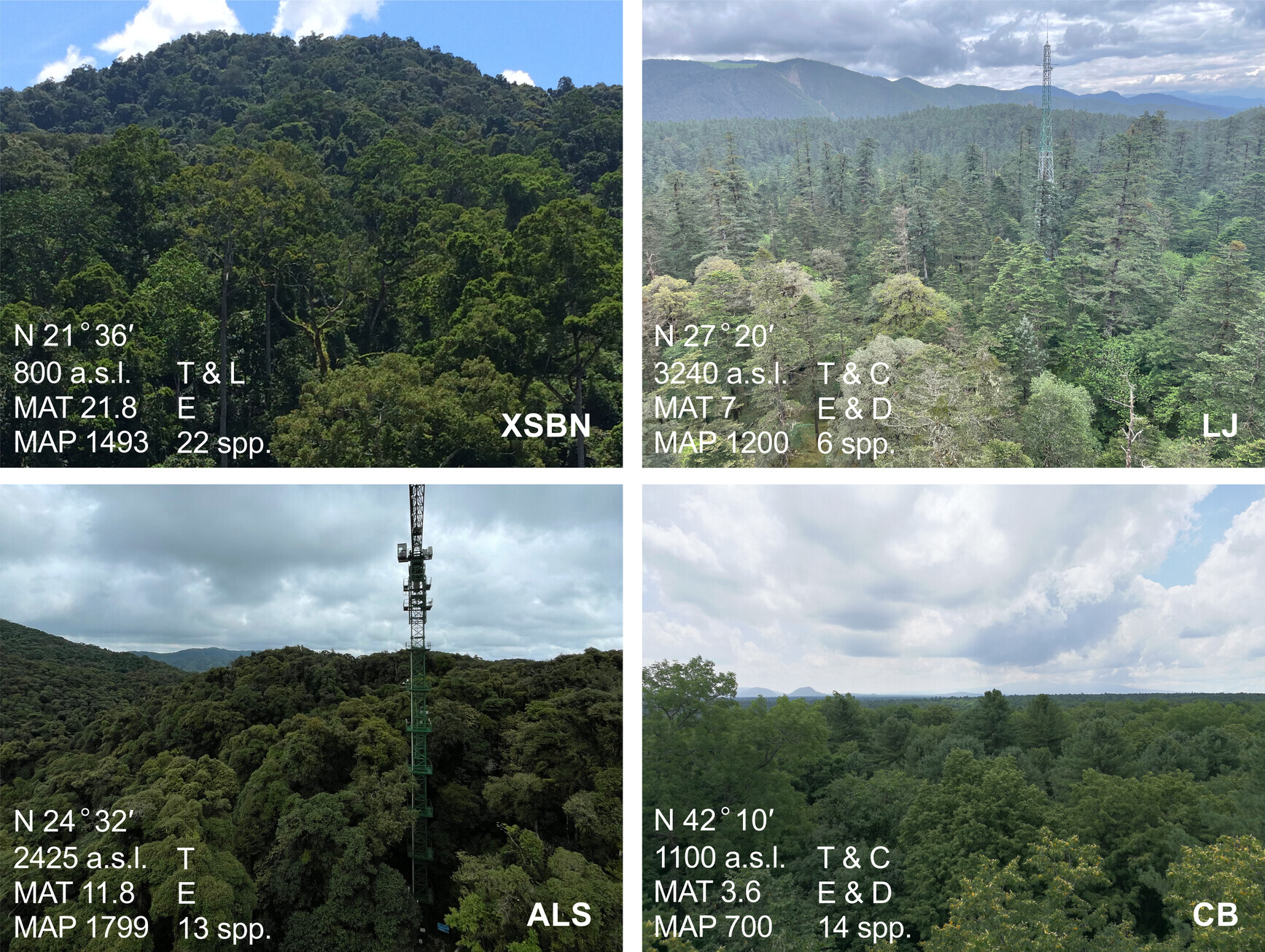
Honey Bee Waggle Dance Depends on Its Audience, Study FindsA new study published in PNAS reveals that the honey bee waggle dance, one of the most famous examples of animal communication, is not a one-way broadcast but a dynamic, two-way interaction. The information encoded in the dance is shaped by the audience, challenging the traditional view that information flows unidirectionally from dancers to passive followers.Mar 24, 2026
-
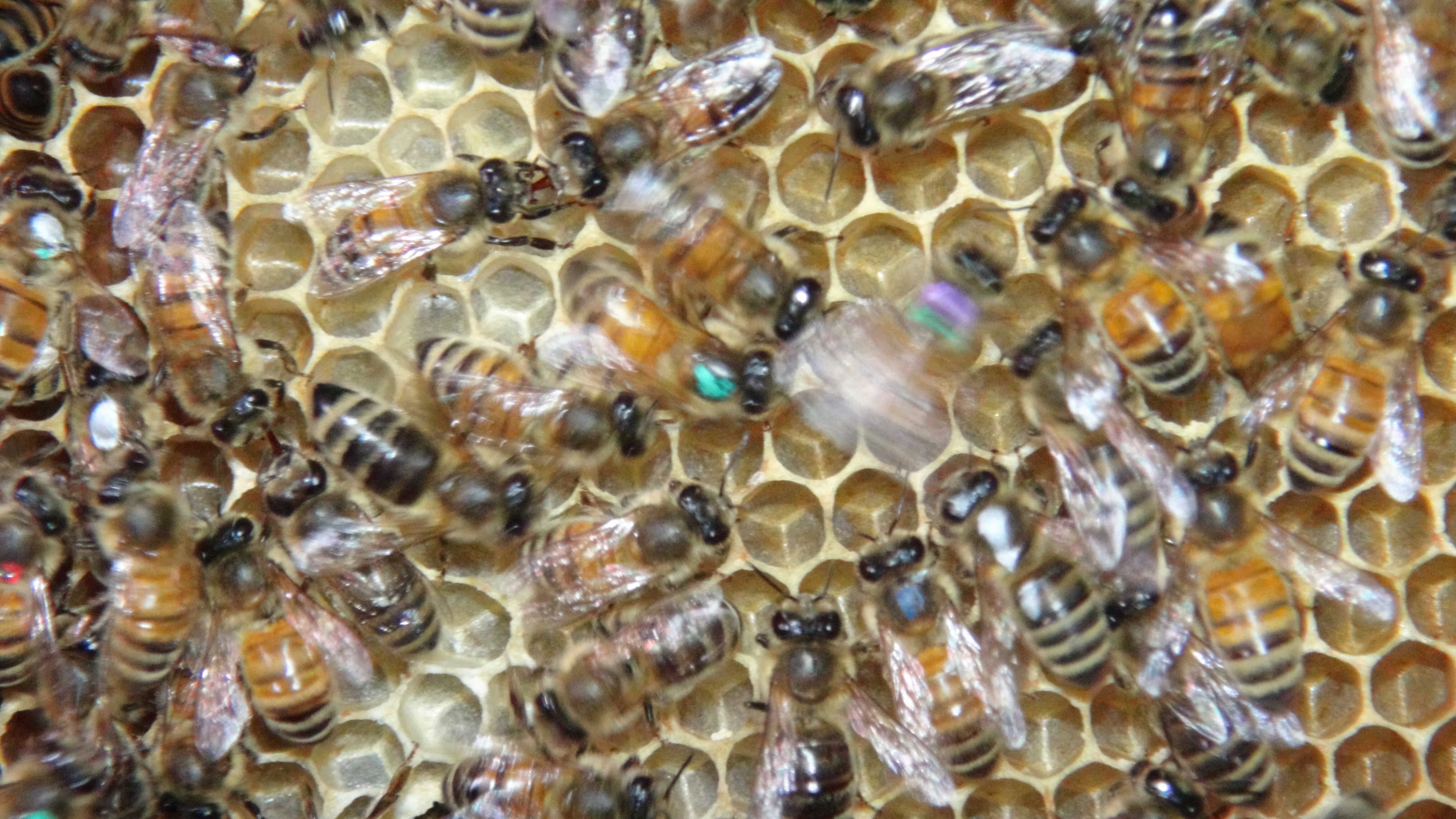
Why Do Lianas Outcompete Trees in Seasonal Tropical Forests?Researchers from Xishuangbanna Tropical Botanical Garden (XTBG) of the Chinese Academy of Sciences and their collaborators provided the first organ-level evidence that lianas and trees employ fundamentally different hydraulic strategies in their flowers. The study offered a key explanation for the increasing dominance of lianas in seasonally dry tropical forests under climate change.Mar 23, 2026
-
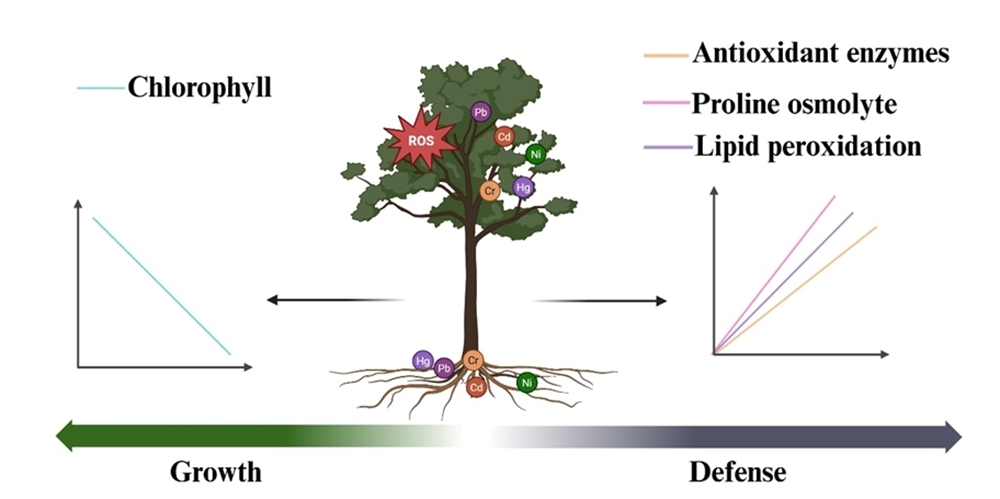
How Do Plants Balance Survival and Remediation in Contaminated Environments?Researchers from Xishuangbanna Tropical Botanical Garden (XTBG) of the Chinese Academy of Sciences explored the mechanisms by which plants regulate phytoremediation efficiency through growth-defense trade-offs in heavy metal-contaminated environments.Mar 19, 2026
-
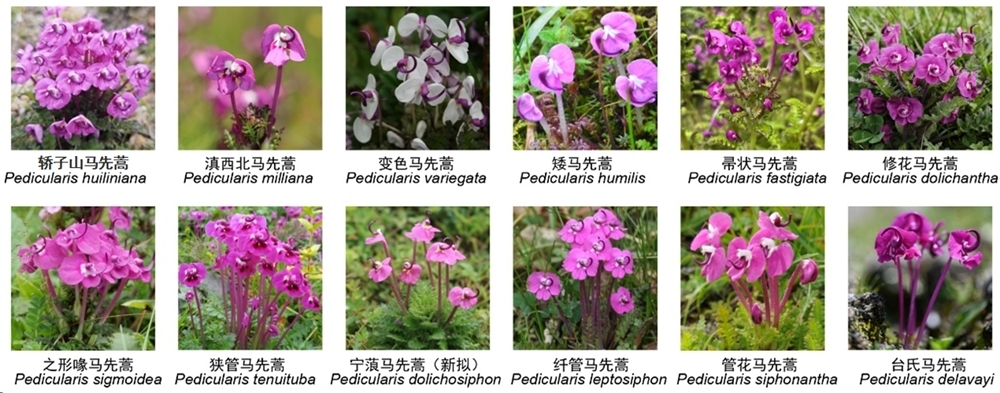
New Cryptic Flowering Plant Species Found in YunnanResearchers from Kunming Institute of Botany (KIB) and Xishuangbanna Tropical Botanical Garden (XTBG) of the Chinese Academy of Sciences have recently identified a new cryptic species of flowering plant. Cryptic species, which are morphologically almost identical to their known relatives, represent a significant yet often overlooked component of global biodiversity. The new species, belonging to the genus Pedicularis, was found on Jiaozi Snow Mountain in north-central Yunnan. Named Pedicularis huiliniana, the finding has been formally published in the journal Willdenowia.Mar 18, 2026
-
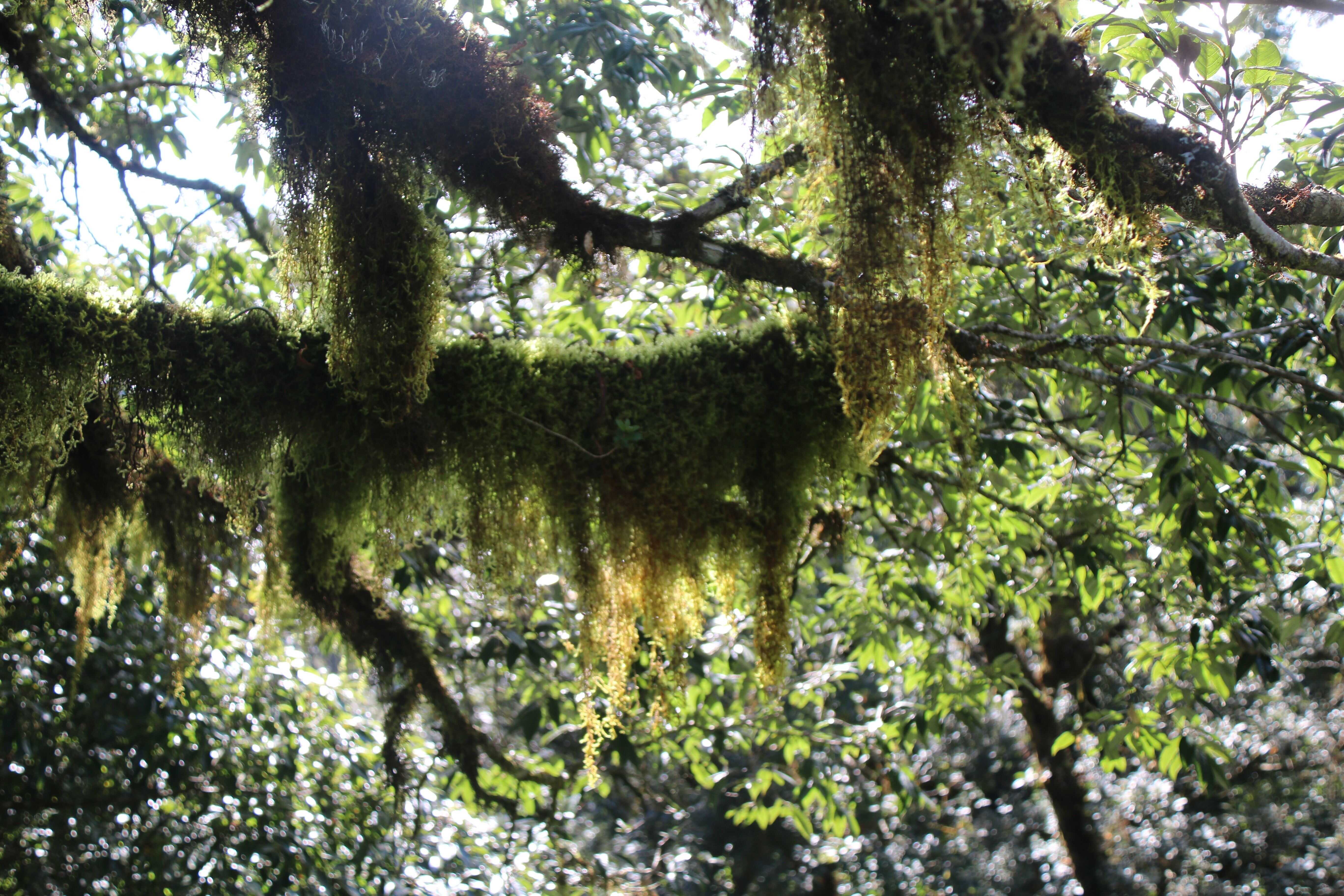
Conservation Strategies for Bryophytes Urgently NeededResearchers from Xishuangbanna Tropical Botanical Garden (XTBG)of the Chinese Academy of Sciences provided the first comprehensive global assessment of bryophyte diversity, extinction risk, and conservation gaps. The researchers synthesized global occurrence data, elevational records, IUCN Red List assessments, and published case studies to examine how this functionally critical plant group is increasingly threatened by human activities.Mar 13, 2026
-
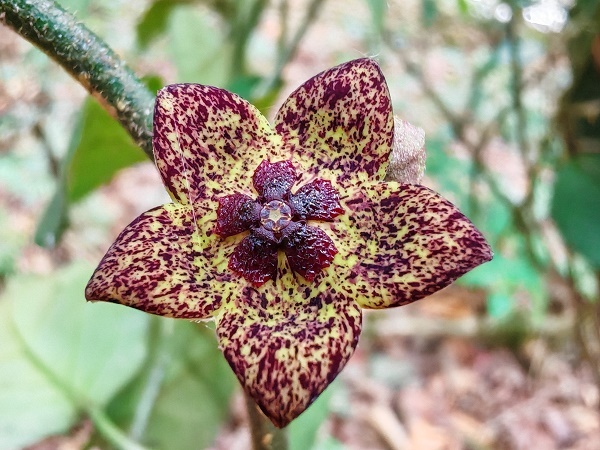
New Climbing Plant Species Found in YunnanDuring extensive botanical surveys in Dehong Prefecture in Yunnan, researchers from Xishuangbanna Tropical Botanical Garden (XTBG) of the Chinese Academy of Sciences and their collaborators collected specimens of Heterostemma in Yingjiang County. After a thorough review of the literature, specimens, and photographs of the genus across Asia, as well as comprehensive morphological examination, they confirmed that the materials represented a species new to science.Mar 05, 2026
-
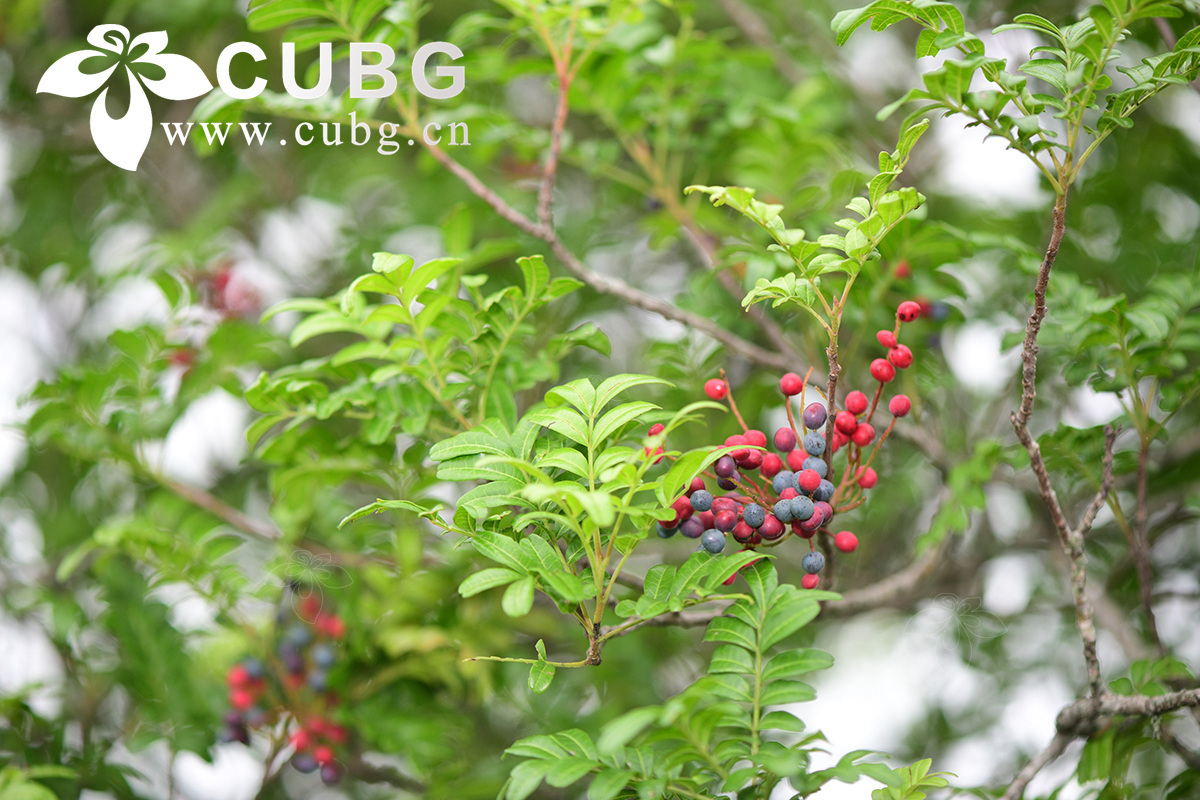
How a Hardy Tree Species Thrives Under Extreme Heat and DroughtResearchers from the Xishuangbanna Tropical Botanical Garden (XTBG) of the Chinese Academy of Sciences and their collaborators investigated the adaptive strategies of Pistacia weinmanniifolia, an evergreen hardy tree species distributed across three climatically distinct regions in Yunnan Province. The study revealed the biological mechanisms underlying the species’ sustained tolerance to prolonged dry-heat stress through integrated stomatal and wax regulation.Mar 03, 2026
-
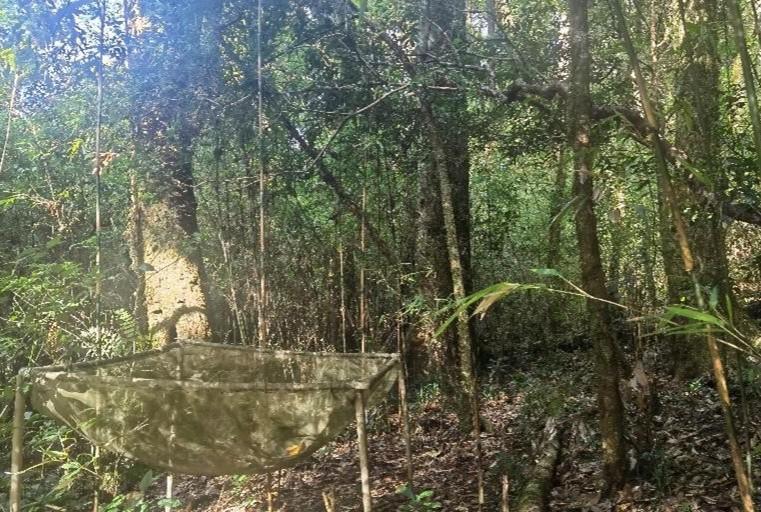
Plant Diversity Plays Critical Role in Shaping Soil Nutrient Balance in Forest EcosystemsResearchers from Xishuangbanna Tropical Botanical Garden (XTBG) of the Chinese Academy of Sciences have revealed how plant species diversity dynamically regulates the relative limitations of soil N and P nutrients on C processes by altering soil C:N:P stoichiometric relationships in natural forest ecosystems.Feb 25, 2026
-
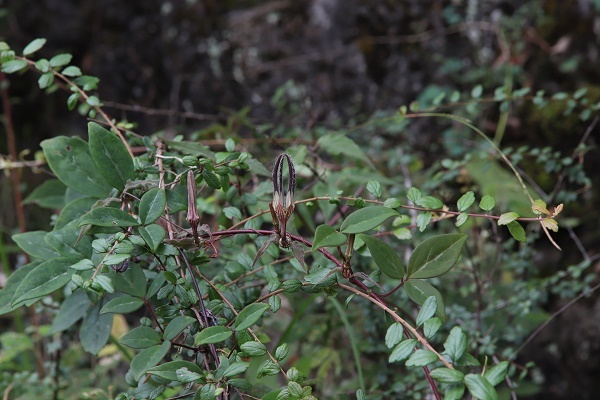
New Plant Species with Densely Hairy Stems Found in YunnanResearchers from Xishuangbanna Tropical Botanical Garden (XTBG)found a critically endangered new plant species in Yunnan. The newly discovered species was named Ceropegia polytricha, referring to its densely hairy stems, leaves, peduncles, corolla lobes, and interstaminal corona lobes.Feb 13, 2026
-
What Shapes Spatial Distribution of Key Phosphorus-cycling Gene in Forests?Researchers from Xishuangbanna Tropical Botanical Garden (XTBG) of the Chinese Academy of Sciences investigated the spatial distribution characteristics of the PhoD gene and its environmental driving factors in tropical and subtropical forests. They revealed that the abundance of PhoD, a critical microbial gene responsible for phosphorus mineralization in forests, was primarily shaped by elevation, soil pH, and calcium availability.Feb 10, 2026