-
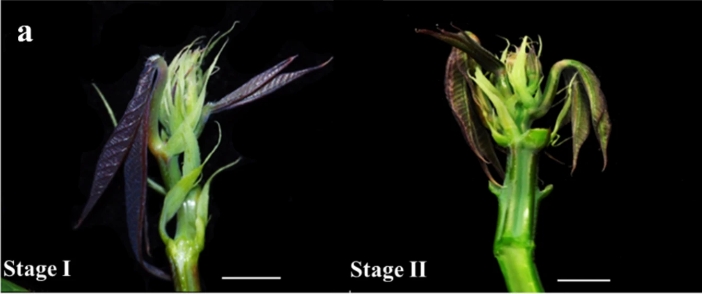
Study Reveals Molecular Networks Behind Female Flower Formation in CassavaResearchers from Xishuangbanna Tropical Botanical Garden (XTBG) of the Chinese Academy of Sciences have revealed the intricate molecular mechanism controlled by the plant hormone cytokinin that leads to the formation of more female flowers in cassava.Nov 17, 2025
-
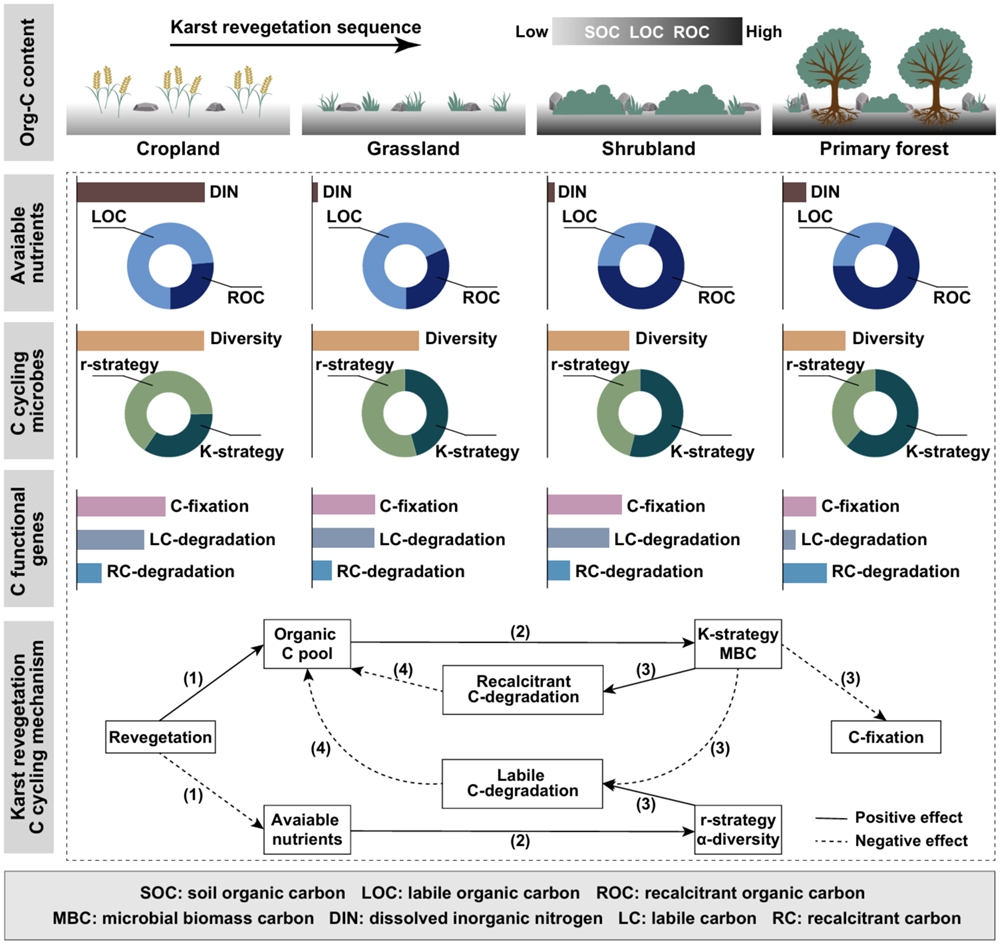
How Do Soil Microbes Govern Carbon Cycling During Ecological Restoration in Fragile Karst Areas?Researchers from Xishuangbanna Tropical Botanical Garden (XTBG) of the Chinese Academy of Sciences investigated the impact of vegetation restoration on soil organic carbon components, soil physicochemical properties, and the structure and functional genes of microbial communities involved in carbon cycling.Nov 12, 2025
-
Study reshapes classification of Elsholtzieae tribe in mint family (Lamiaceae)In a study published in Taxon, researchers from Xishuangbanna Tropical Botanical Garden (XTBG) and Kunming Institute of Botany (KIB) of the Chinese Academy of Sciences and their collaborators proposed merging two genera into an expanded Perilla and reinstating another to resolve long-standing classification issues.Nov 07, 2025
Study reshapes classification of Elsholtzieae tribe in mint family (Lamiaceae)" title="Study reshapes classification of Elsholtzieae tribe in mint family (Lamiaceae)" />
-
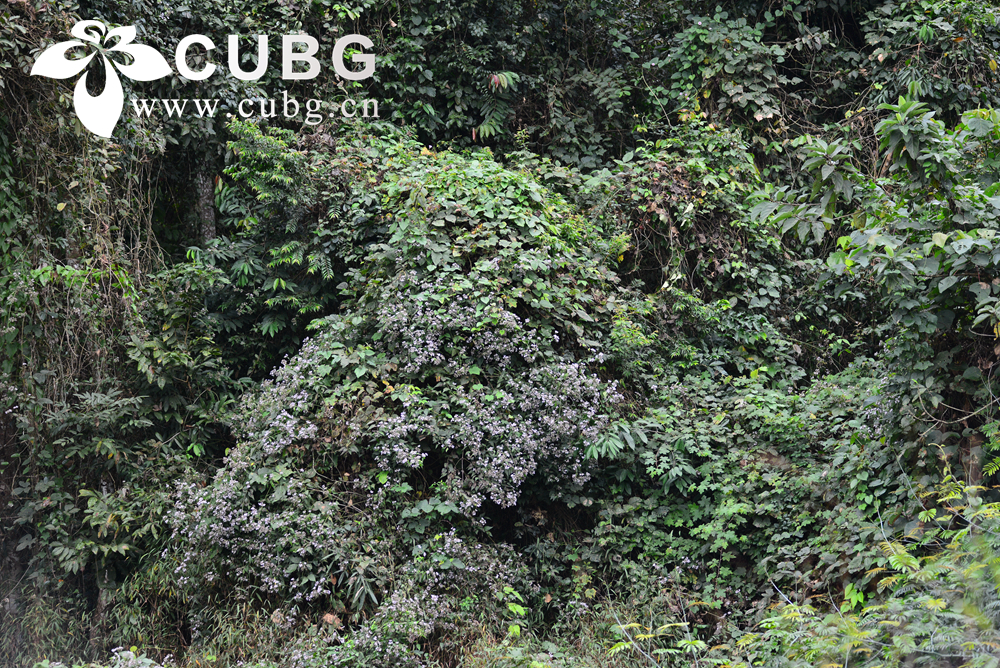
How Co-Invasion by Alien Plants Influences Different Fungal Taxa in Soils?Researchers from Xishuangbanna Tropical Botanical Garden (XTBG) of the Chinese Academy of Sciences showed that co-invasion had a synergistic effect, fundamentally altering the assembly processes and interactions within soil fungal ecosystems.Nov 06, 2025
-
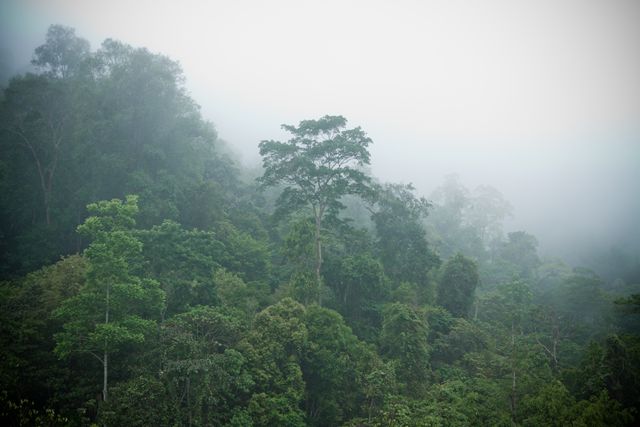
Environmental Factors Shape Local Tree Diversity in Tropical ForestsAn international team of researchers from Xishuangbanna Tropical Botanical Garden (XTBG) of the Chinese Academy of Sciences and their collaborators revealed that contemporary climate and environment, not deep biogeographic history, are the primary drivers of local-scale tree diversity. Despite major differences in geological history, climate evolution, and species pool composition among continents, their tree diversity responds to environmental factors in a highly consistent manner.Nov 05, 2025
-
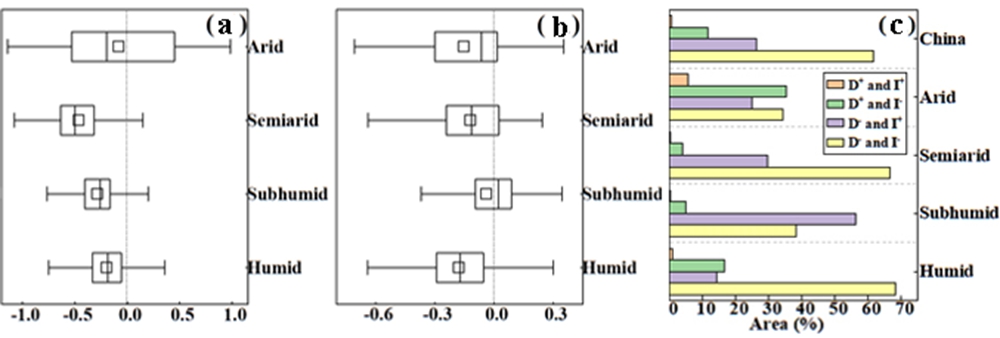
Study Unravels Distinct Effects of Temperature and Vapor Pressure Deficit on Vegetation ProductivityResearchers from Xishuangbanna Tropical Botanical Garden (XTBG) of the Chinese Academy of Sciences and their collaborators assessed the individual impacts of temperature or VPD on vegetation productivity across China. Their work represented a first attempt to distinguish the relative contributions of temperature and VPD to vegetation productivity at a regional scale.Nov 04, 2025
-
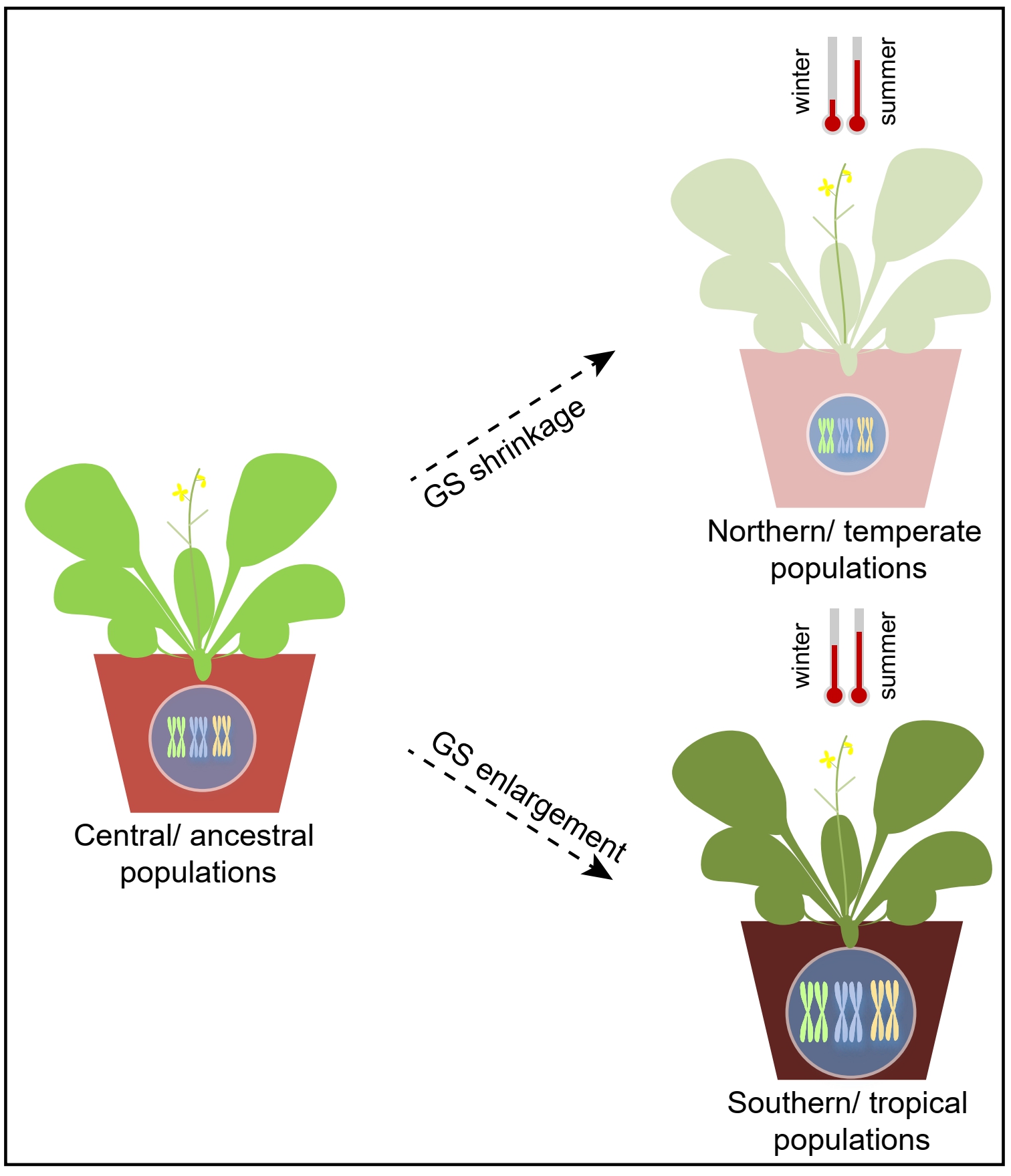
Genome Expansion Helps Plants Adapt to Tropical EnvironmentsResearchers from Xishuangbanna Tropical Botanical Garden (XTBG) of the Chinese Academy of Sciences investigated the intraspecific genome size variation and its role in ecological adaptation in the hexaploid plant Rorippa indica (R. indica). Their findings indicated that plants can adapt to tropical environments by significantly enlarging their genomes.Oct 30, 2025
 Genome Expansion Helps Plants Adapt to Tropical Environments" title="Genome Expansion Helps Plants Adapt to Tropical Environments" />
-
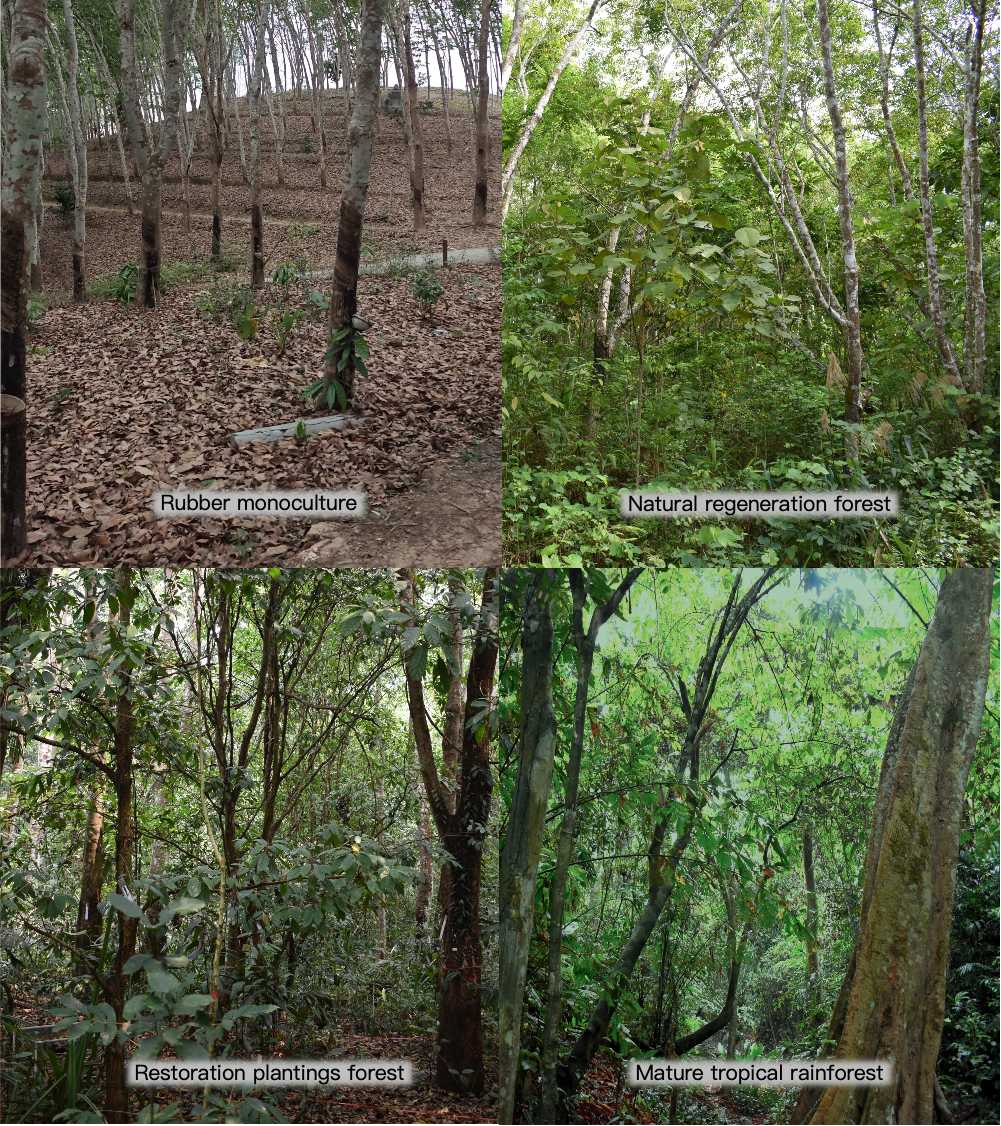
Managing Soil Nitrogen and Phosphorus is Key to Restoring Rainforest on Former Rubber PlantationsResearchers from Xishuangbanna Tropical Botanical Garden (XTBG) of the Chinese Academy of Sciences showed that restoring tropical forests on former rubber plantation lands effectively mitigates carbon and nutrient limitations for soil microorganisms. Both natural regeneration and restoration planting facilitate positive shifts in soil microbial activity, alleviate microbial nutrient constraints, and promote a more balanced nutrient-acquisition strategy.Oct 29, 2025
-
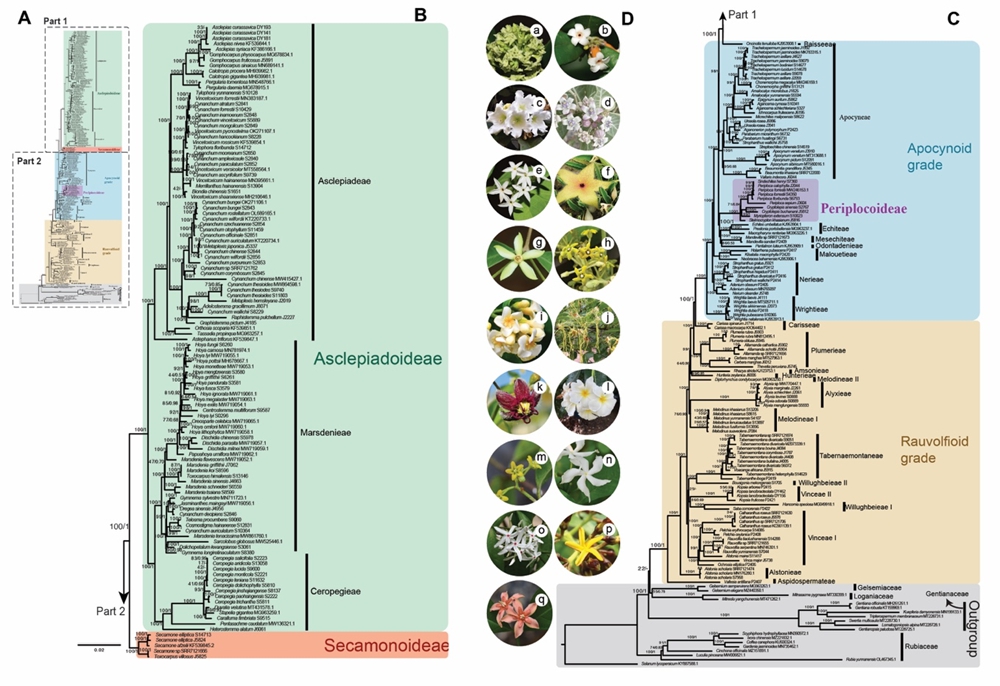
New Phylogenetic Tree Indicates Origin and Diversification of ApocynaceaeResearchers from Xishuangbanna Tropical Botanical Garden (XTBG) and Kunming Institute of Botany (KIB) of the Chinese Academy of Sciences reconstructed the phylogenetic tree of the Apocynaceae family. They sought to resolve the long-standing uncertainties in the classification and evolutionary history of this ecologically and economically important plant family.Oct 21, 2025
-
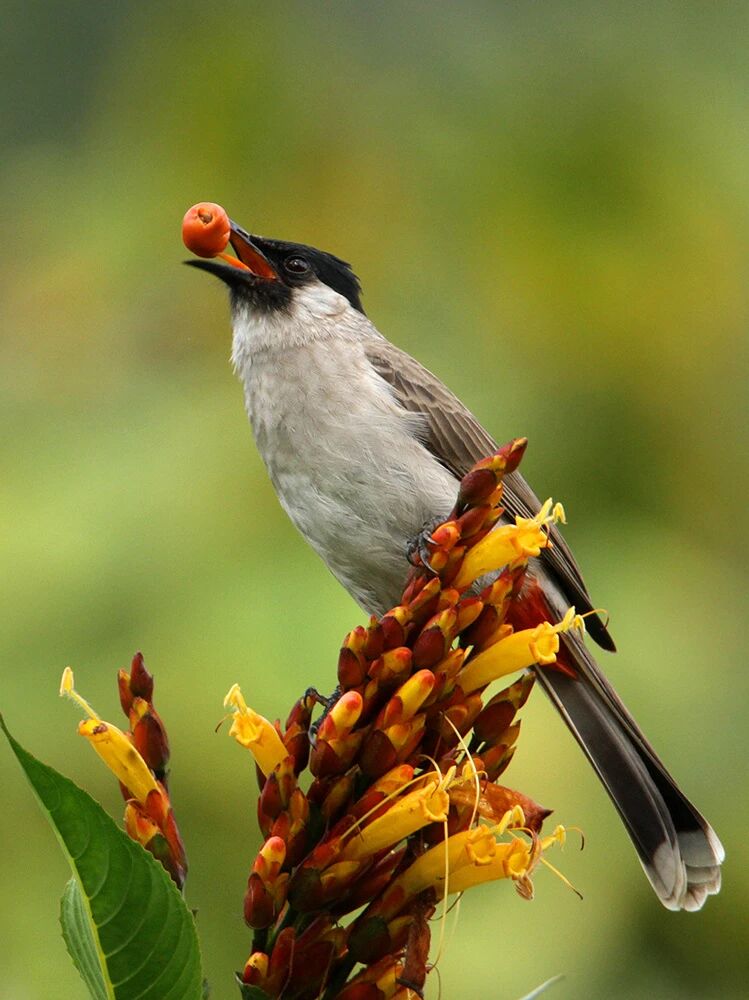
Birds Show Stronger Phylogenetic Effects in Plant–bird Mutualistic NetworkResearchers from Xishuangbanna Tropical Botanical Garden (XTBG) of the Chinese Academy of Sciences revealed that evolutionary history has a stronger influence on birds than on plants, and on seed-dispersal networks compared to pollination networks.Oct 17, 2025
-
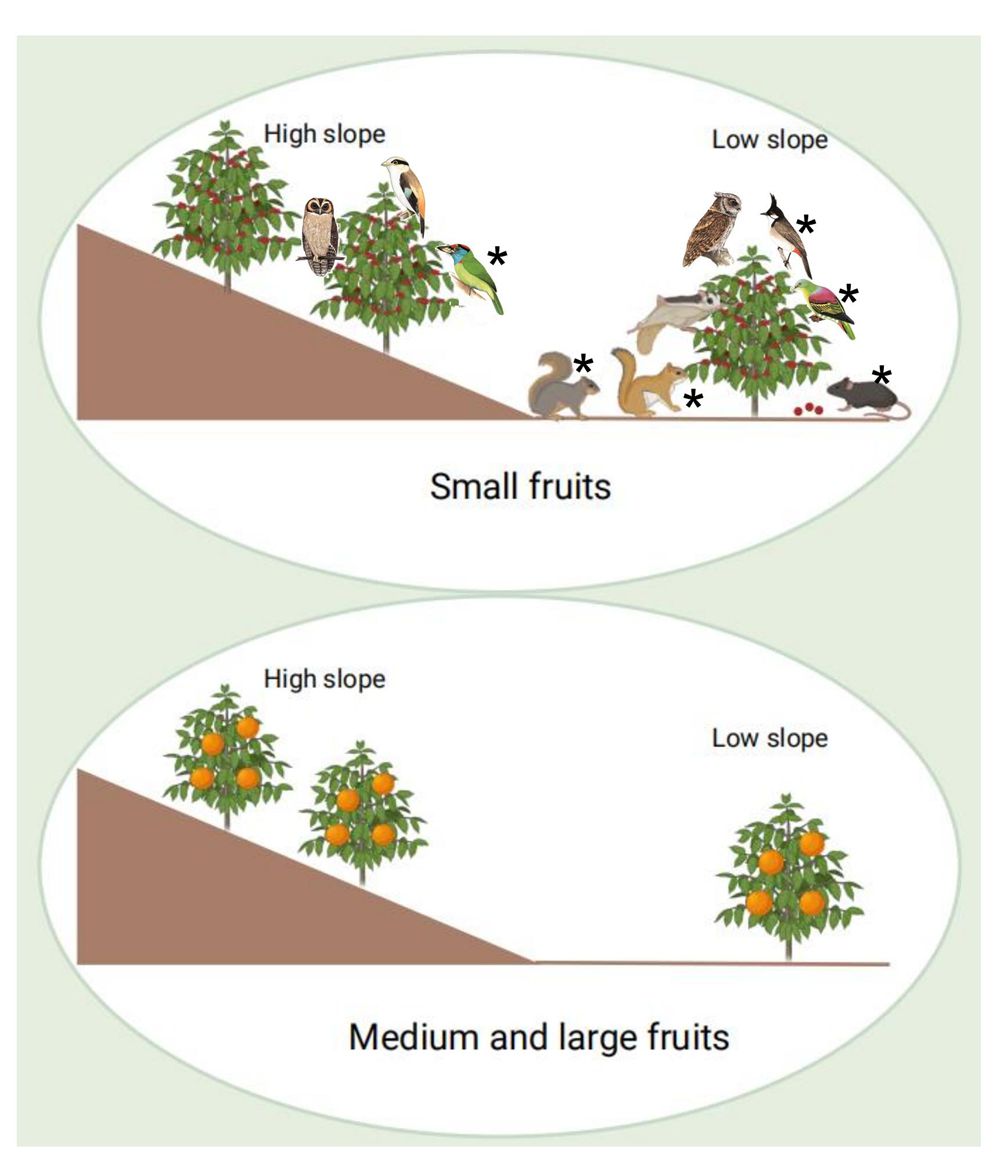
How Fruit Availability Drives Frugivore Distributions in Tropical ForestResearchers from Xishuangbanna Tropical Botanical Garden (XTBG) of the Chinese Academy of Sciences and their collaborators utilized airborne environmental DNA (airborne eDNA) technology to demonstrate how fruit resources directly shape the distribution of fruit-eating animals (frugivores) in a tropical rainforest. It provided the first direct evidence that the fine-scale distribution of frugivores, including birds and mammals, is dynamically shaped by the availability of fruit resources, particularly from small-fruited trees.Oct 16, 2025
-
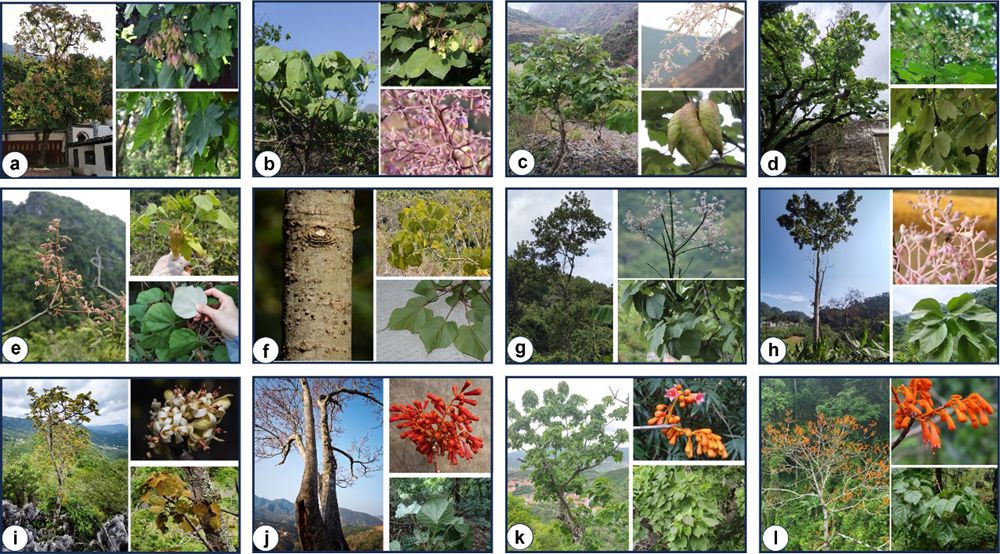
DNA barcoding ensures effective protection of endangered Firmiana speciesOct 13, 2025