-
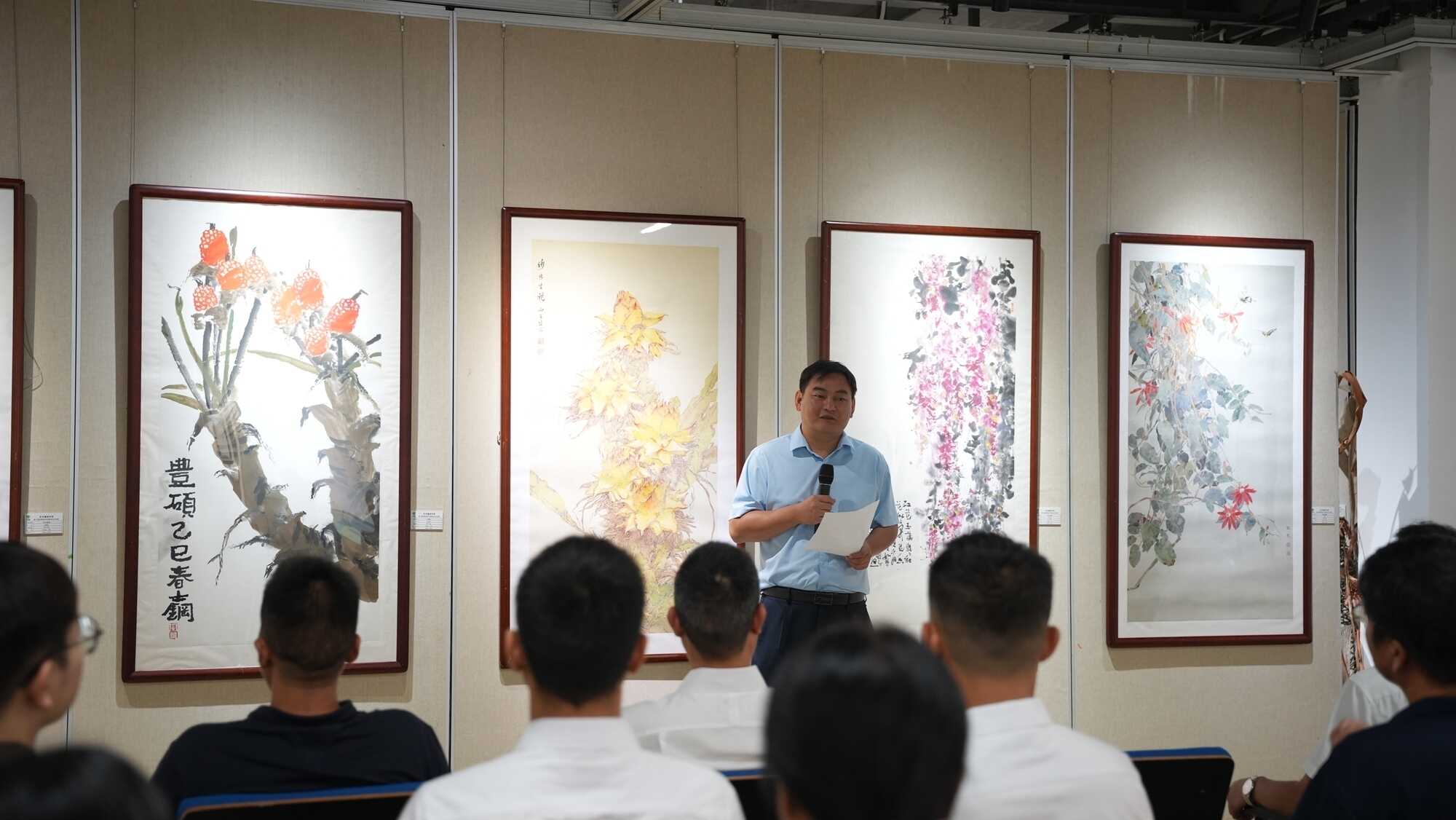
Art meets science: the sixth exhibition of Chinese paintings of tropical rainforest held at XTBG“Art meets science: the sixth exhibition of Chinese paintings of tropical rainforest” was opened at Xishuangbanna Tropical Botanical Garden (XTBG) on September 30. The exhibition features 70 fine Chinese paintings by artists from across China. Prof. Xing Yaowu, director of XTBG, delivered an opening speech.Oct 10, 2026
-
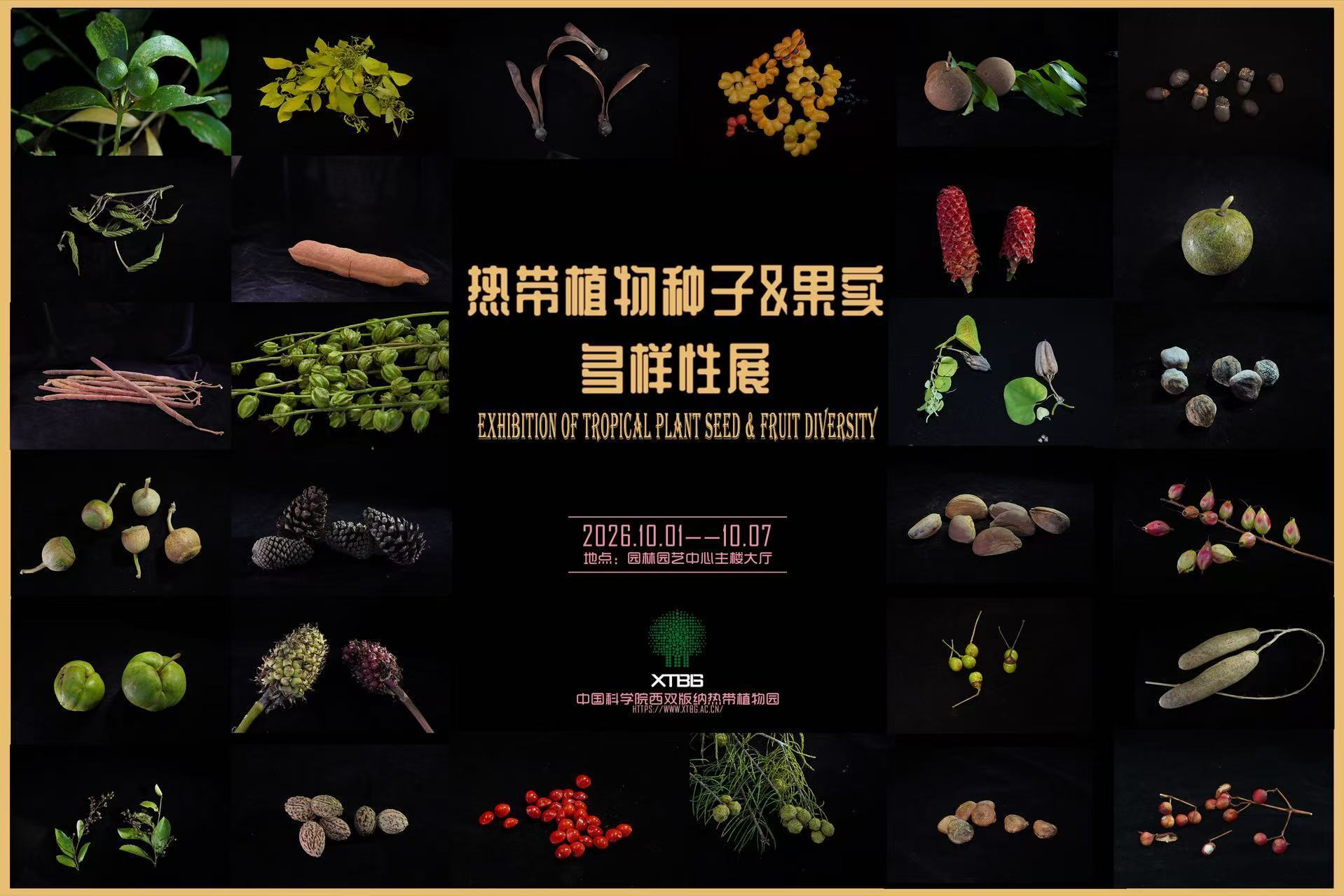
Exhibition of tropical plant seed and fruit diversity heldAn exhibition of tropical plant seed and fruit diversity was held at Xishuangbanna Tropical Botanical Garden (XTBG) during the National Day Holiday. On display were fresh infructescences, fruits and seeds of 125 tropical plant species in 56 families. In various forms, the exhibition showed the rich diversity of tropical fruits and seeds in dispersal, germination habits and uses.Oct 09, 2026
-
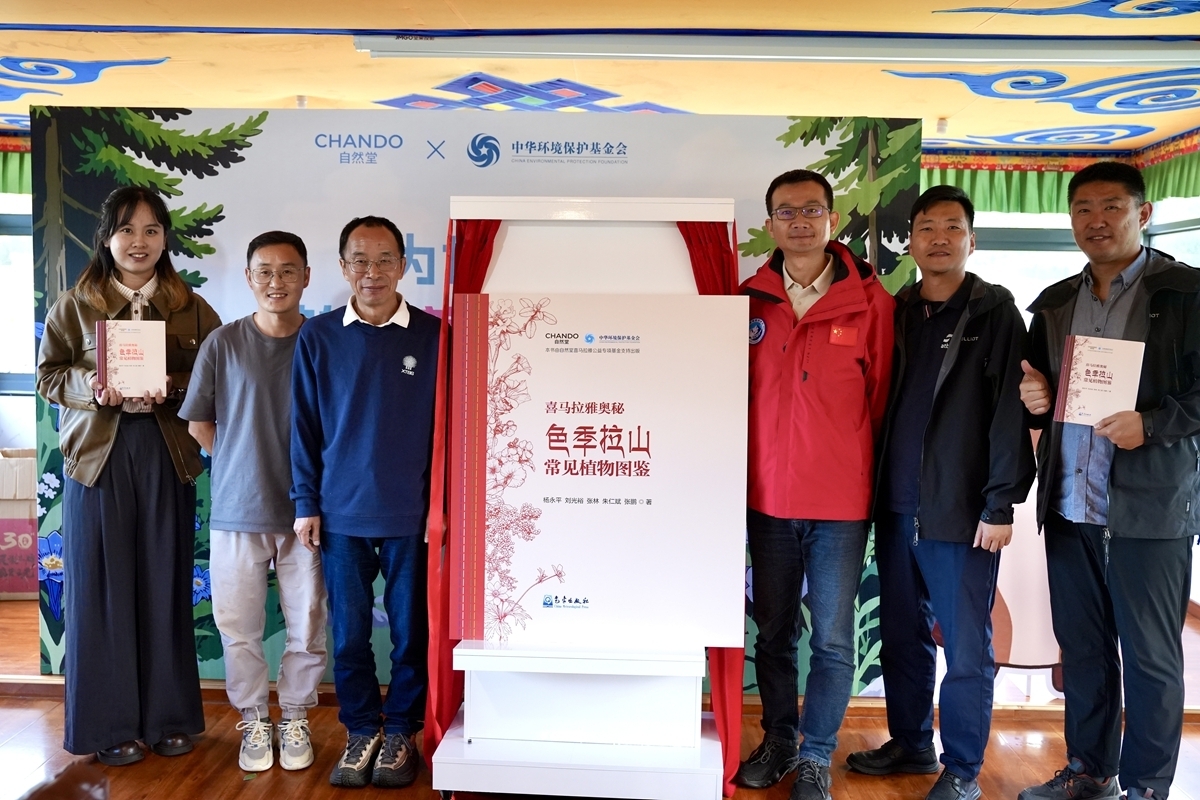
An Illustrated Guide to Common Plants of Sejila Mountain publishedThe Secrets of the Himalayas: An Illustrated Guide to Common Plants of Sejila Mountain has been recently published. The book was written by Prof. Yang Yongping of Xishuangbanna Tropical Botanical Garden (XTBG), offering a vivid introduction to the distinctive plant life of the Qinghai-Tibet Plateau.Sep 10, 2026
-
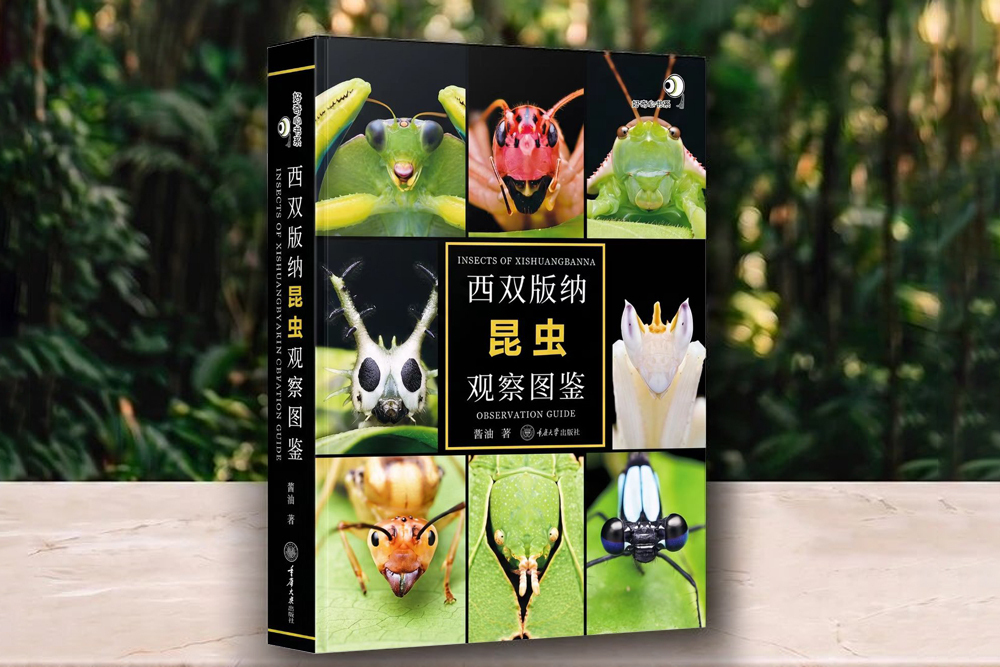
New field guide documents over 1000 insect species in XishuangbannaSep 04, 2026
-
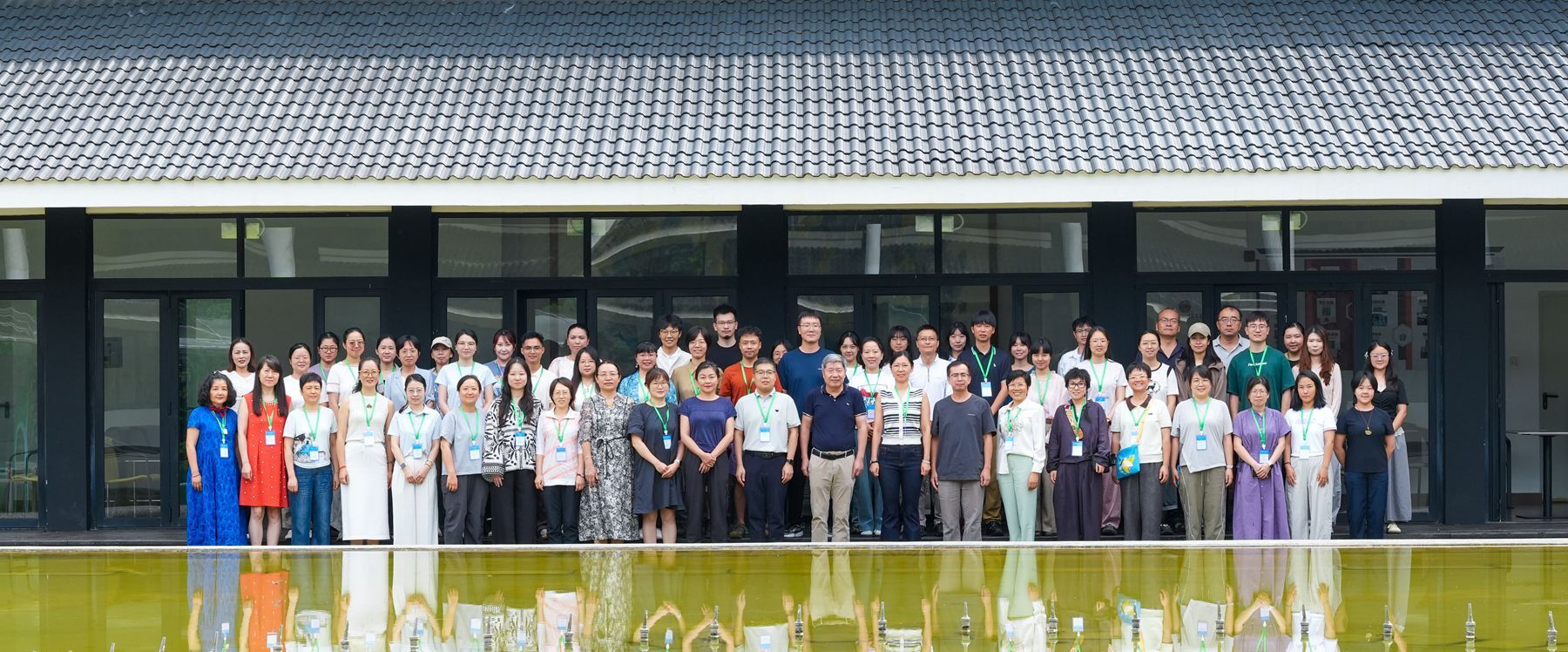
XTBG holds Advanced Training Workshop on Environmental Education ResearchSep 01, 2026
-
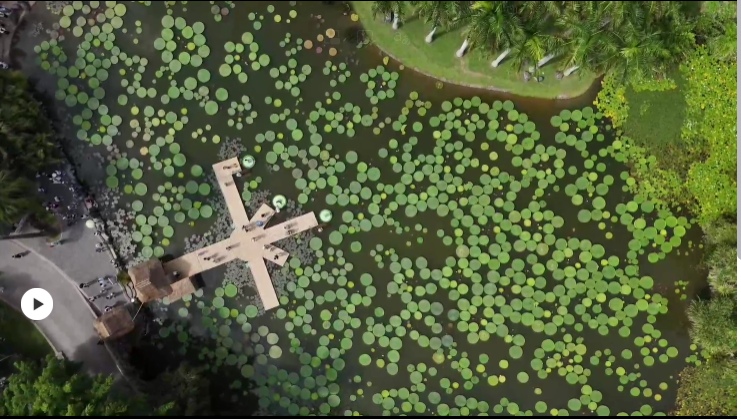
Exploring Biodiversity Wonders at Xishuangbanna Tropical Botanical GardenFounded in 1959, Xihsuangbanna Tropical Botanical Garden (XTBG) is a vital platform for tropical ecosystem protection and international botanical research cooperation, making remarkable contributions to safeguarding tropical biodiversity.Jul 29, 2026
-
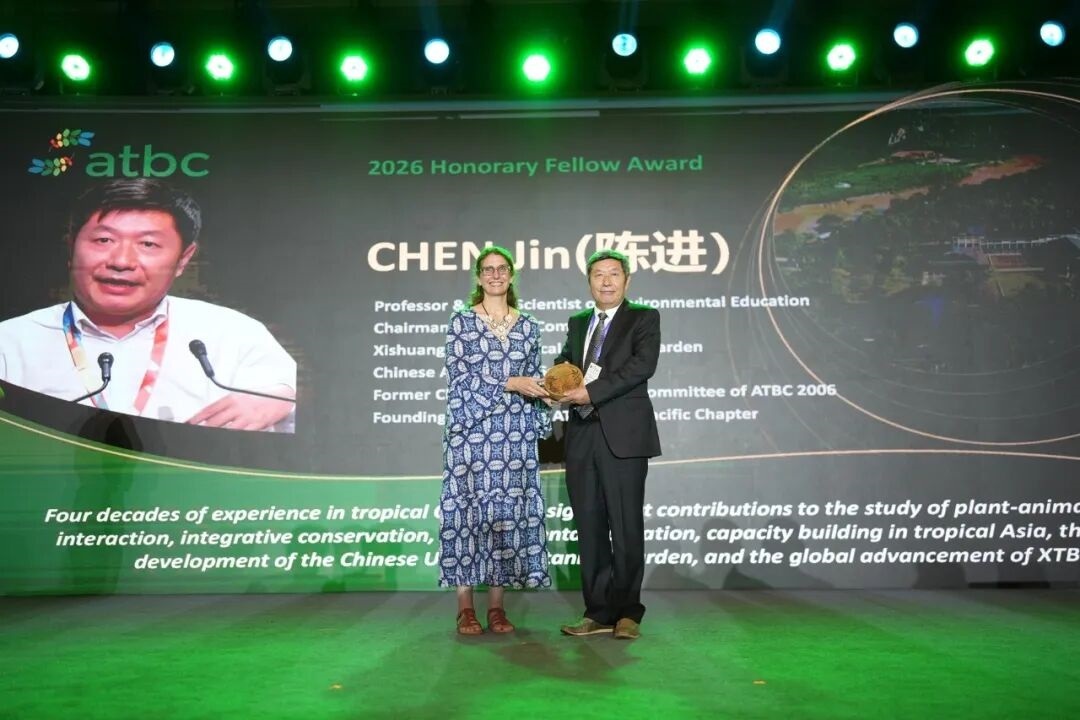
Annual Meeting 2026 of ATBC closes in XishuangbannaThe 62nd Annual Meeting of the Association for Tropical Biology and Conservation (ATBC) drew to a close in Xishuangbanna on July 2, after five days of intense academic exchange and policy dialogue. Held under the theme “Achieving a Shared Ecological Civilization for Long-Term Resilience,” the conference brought together more than 700 scientists, conservation practitioners, and early-career researchers from over 60 countries and regions.Jul 03, 2026
 Annual Meeting 2026 of ATBC closes in Xishuangbanna" title="Annual Meeting 2026 of ATBC closes in Xishuangbanna" />
-
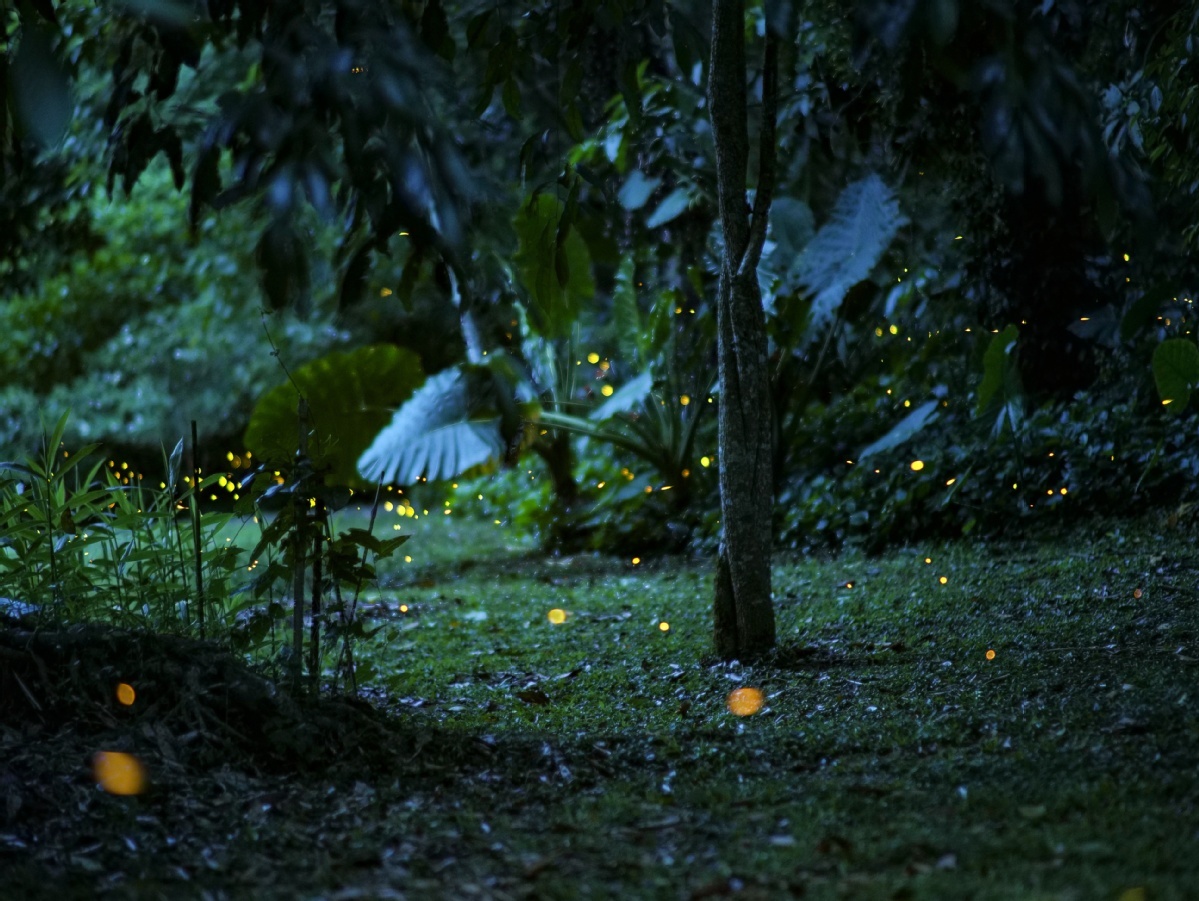
Fireflies light up summer nights in YunnanIt is peak viewing season for fireflies at the Xishuangbanna Tropical Botanical Garden of the Chinese Academy of Sciences in Xishuangbanna Dai autonomous prefecture, Yunnan province. As night falls, thousands of fireflies perform a graceful dance, their tiny lights carpeting the forest and creating a celestial display reminiscent of the Milky Way. The romantic scene has attracted numerous visitors to immerse themselves in the summer nights of the rainforest, according to the botanical garden.Jun 03, 2026
-
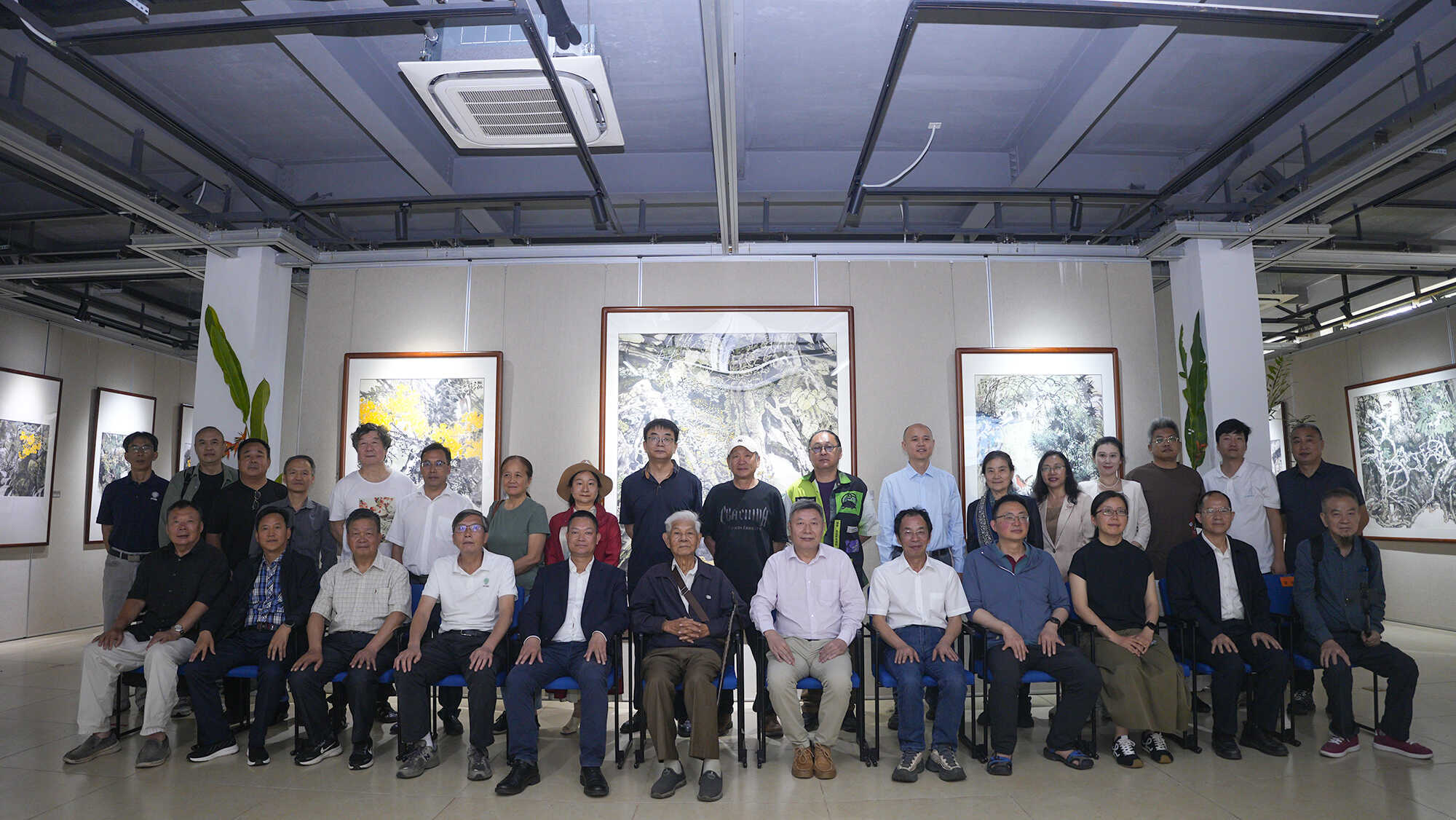
Wang Jinyuan's tropical rainforest paintings on show at XTBGAn exhibition named “Vibrant life of Xishuangbanna rainforest: a special exhibition of Wang Jinyuan’s Chinese paintings and his affection of XTBG” was grandly opened in Xishuangbanna Tropical Botanical Garden (XTBG) on April 10. The exhibition is a tribute to Mr. Wang Jinyuan, a master of Chinese painting renowned for his depictions of tropical rainforests, and celebrates a legendary intersection of science and art.Apr 14, 2026
-
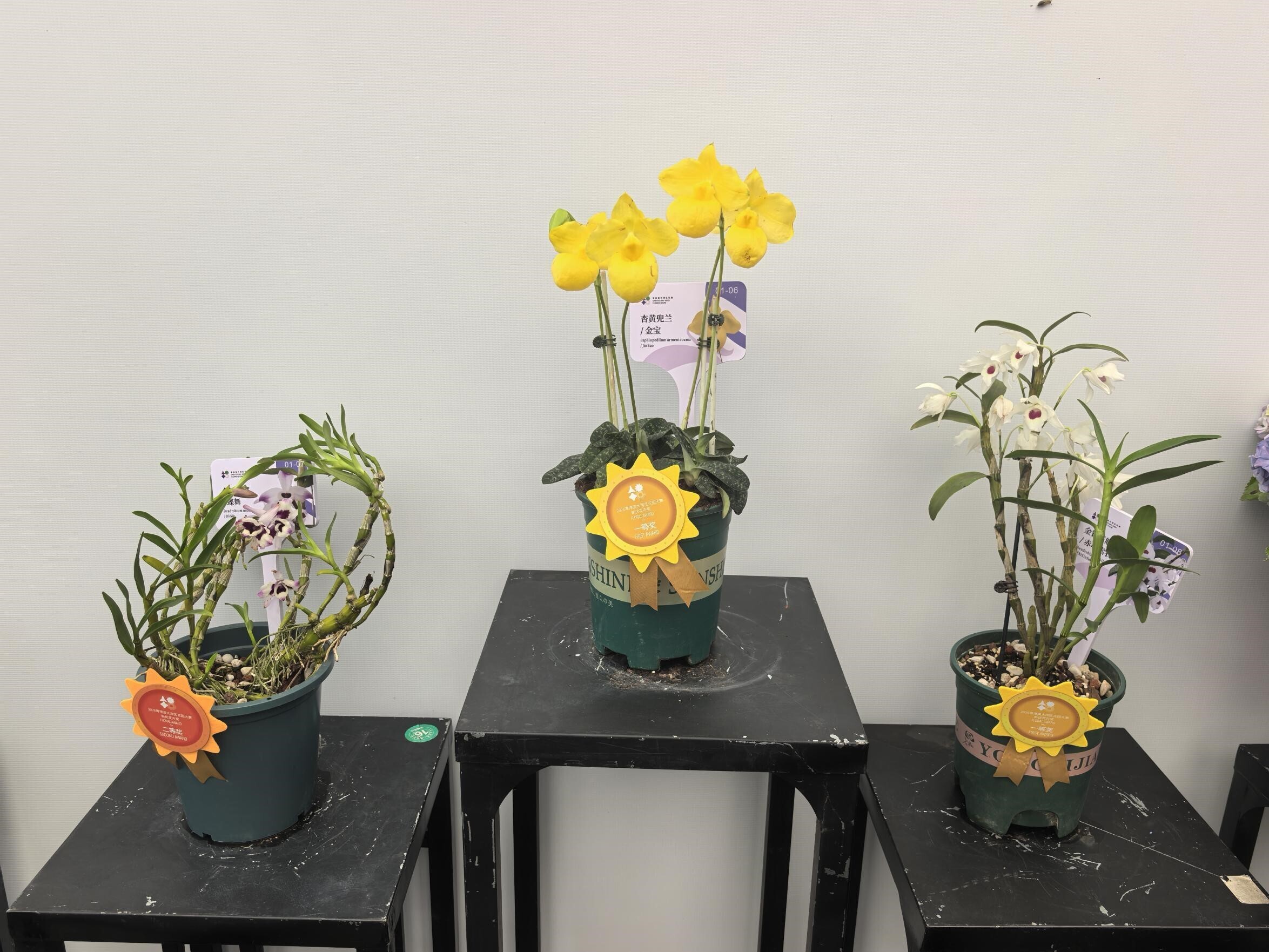
XTBG wins awards at flower show of Guangdong-Hongkong-Macao Greater Bay AreaApr 08, 2026
-
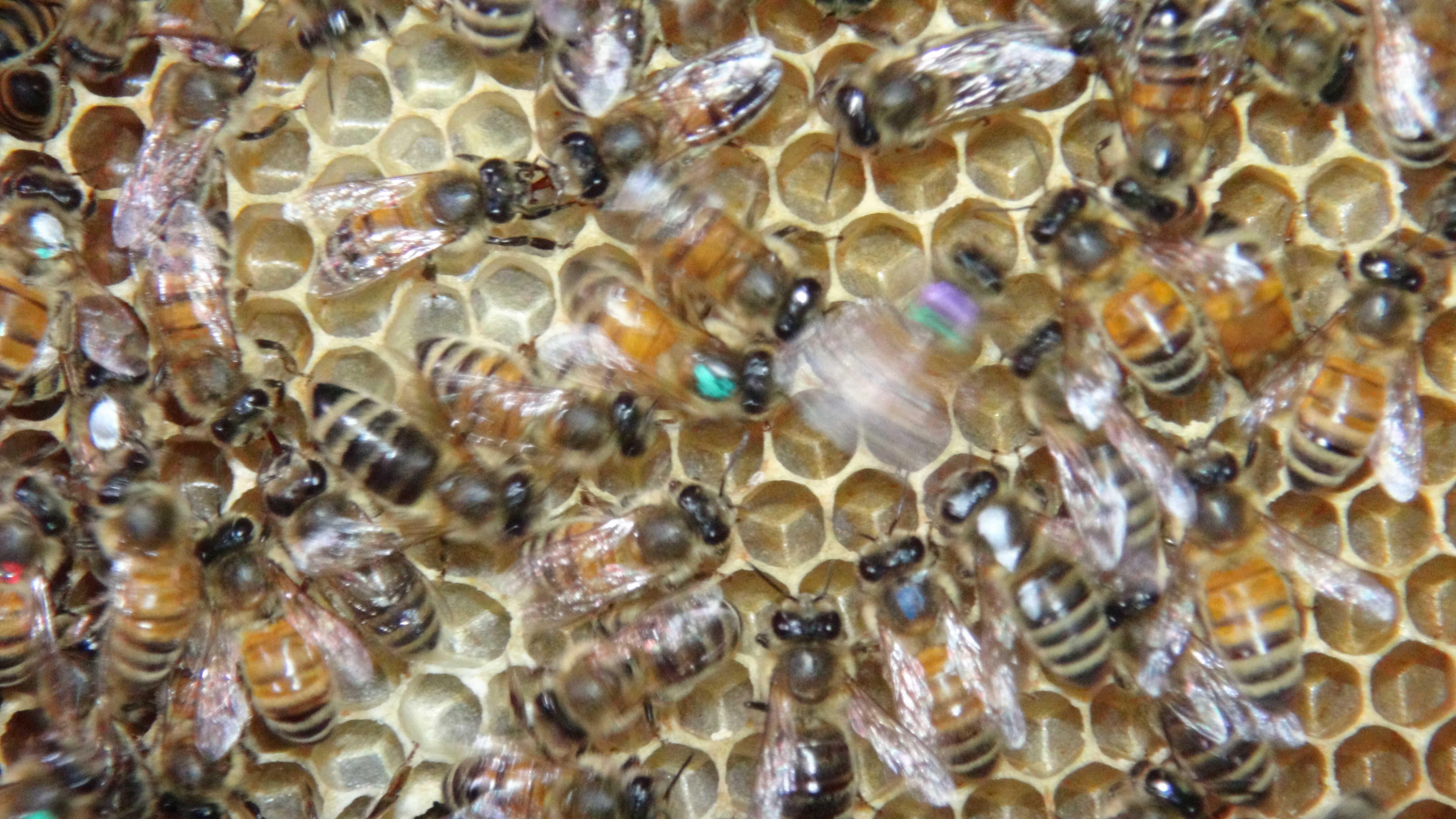
Honey Bee Waggle Dance Depends on Its Audience, Study FindsA new study published in PNAS reveals that the honey bee waggle dance, one of the most famous examples of animal communication, is not a one-way broadcast but a dynamic, two-way interaction. The information encoded in the dance is shaped by the audience, challenging the traditional view that information flows unidirectionally from dancers to passive followers.Mar 24, 2026
-
Why Do Lianas Outcompete Trees in Seasonal Tropical Forests?Researchers from Xishuangbanna Tropical Botanical Garden (XTBG) of the Chinese Academy of Sciences and their collaborators provided the first organ-level evidence that lianas and trees employ fundamentally different hydraulic strategies in their flowers. The study offered a key explanation for the increasing dominance of lianas in seasonally dry tropical forests under climate change.Mar 23, 2026