-
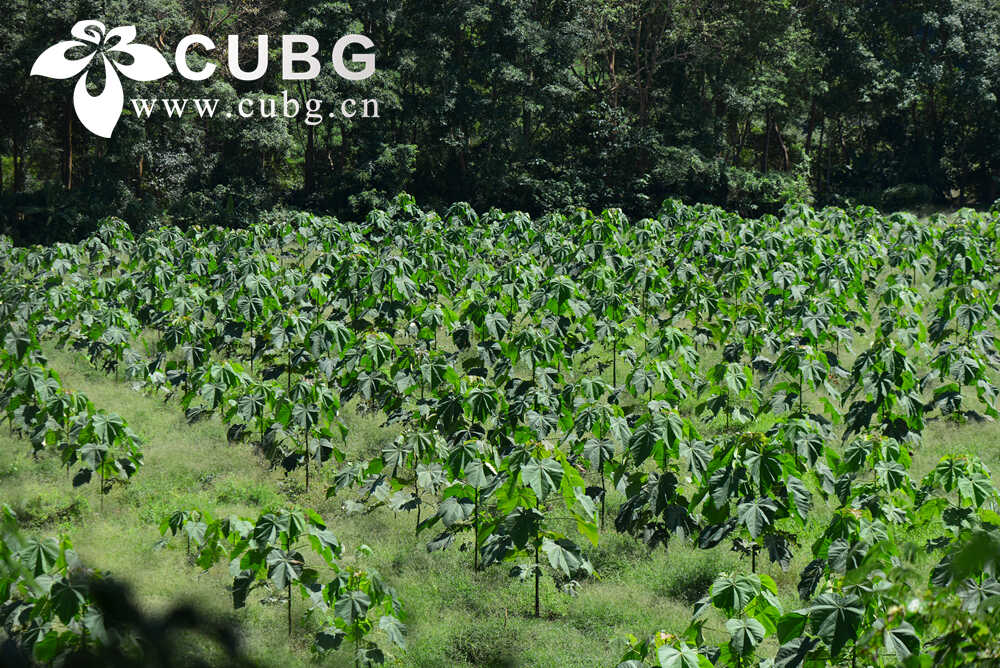
Balsa Wood Trees Adopt Age-dependent Water Use Strategy to Support GrowthResearchers from Xishuangbanna Tropical Botanical Garden (XTBG)of the Chinese Academy of Sciences show that balsa wood plantations employ a dynamic, age-dependent water use strategy that shifts from “conservative” to “opportunistic” as they get mature.It provides new insight into the dynamic water-use patterns of balsa wood plantations of different ages (1-, 2-, 3-, and 4-year-old stands) in Xishuangbanna, southwestern China.Jun 04, 2026
-
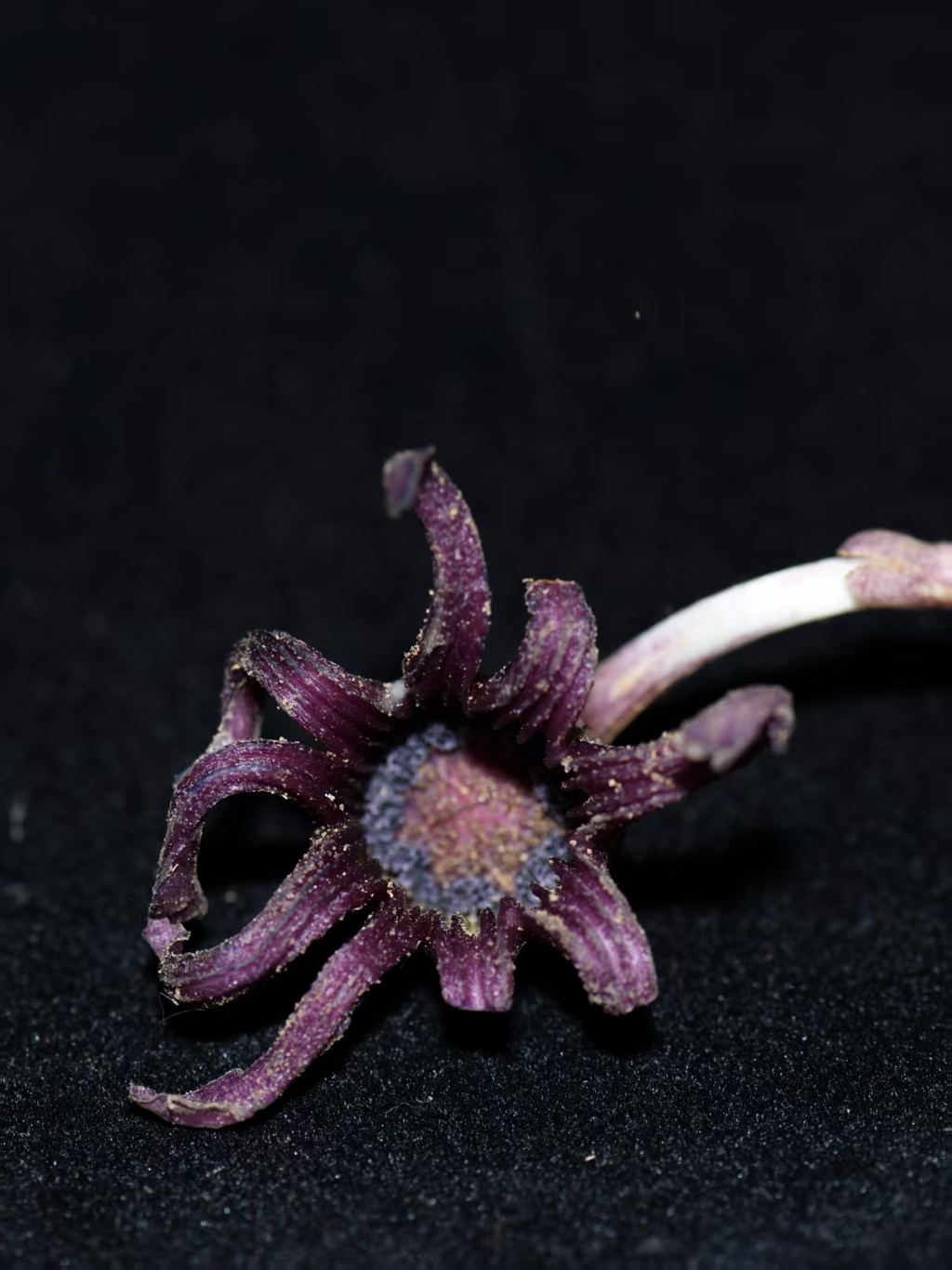
New Species of Aspidistra Discovered in LaosResearchers from Xishuangbanna Tropical Botanical Garden (XTBG) of the Chinese Academy of Sciences have conducted a series of field surveys in Bolikhamsai and neighbouring provinces in central Laos over the past years. They collected an unknown species of Aspidistra with a distinctive structure of stigma during a survey in Khamkheuth District. After careful morphological studies, they confirmed is as a species new to science. The new species is named Aspidistra khamkheuthensis referring to the name of type locality, Khamkheuth District.Jun 02, 2026
-
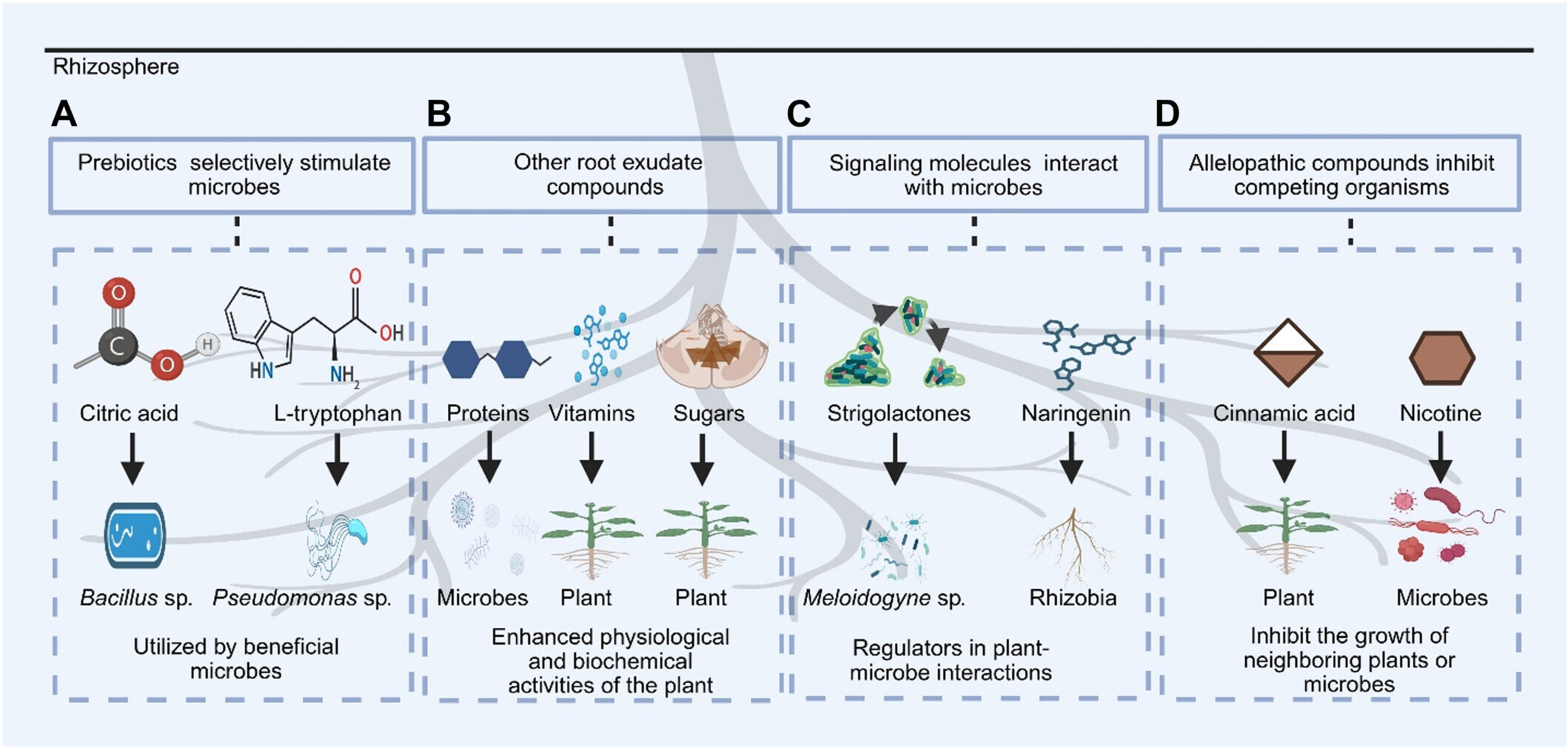
Plant-exuded Prebiotics Have Potential for Sustainable FarmingResearchers from Xishuangbanna Tropical Botanical Garden (XTBG)of the Chinese Academy of Sciences have unveiled a comprehensive roadmap for using plant-exuded prebiotics as an eco-friendly alternative to conventional fertilizers and pesticides.Jun 01, 2026
-
Researchers highlight strategic importance of plant diversity in LaosMay 27, 2026
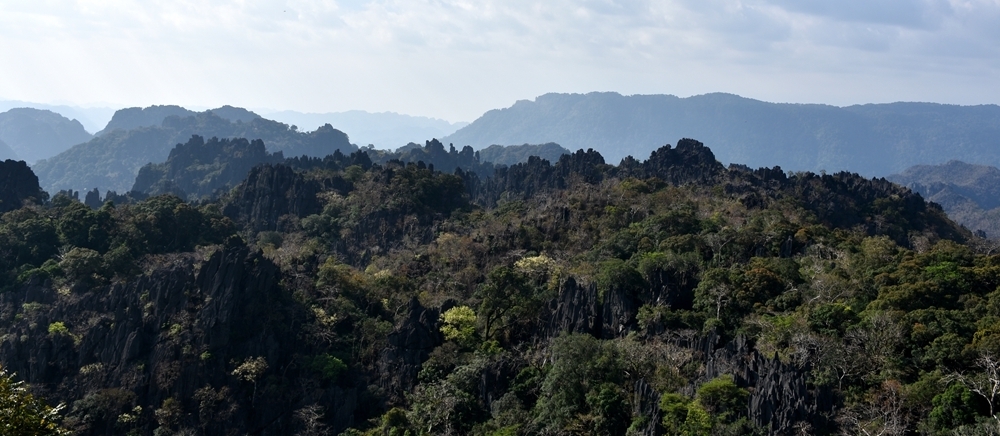 Researchers highlight strategic importance of plant diversity in Laos" title="Researchers highlight strategic importance of plant diversity in Laos" />
-
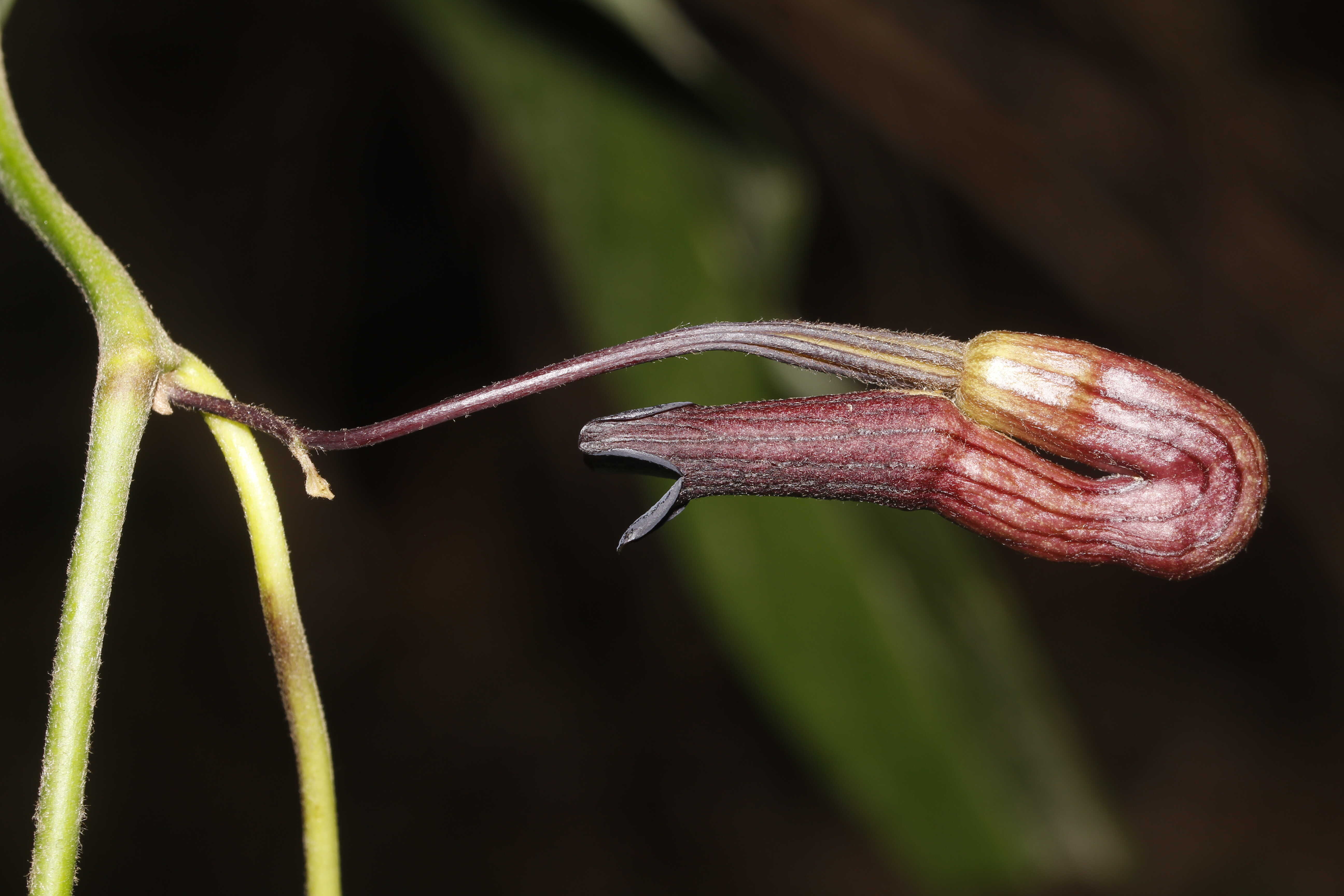
Three New Pipevine Species Discovered in China and MyanmarDuring extensive botanical surveys in China and Myanmar, researchers from Xishuangbanna Tropical Botanical Garden (XTBG) of the Chinese Academy of Sciences discovered some unidentified species of Aristolochia subgenus Siphisia. After careful morphological studies, they confirmed that these represented three new species, two from China and one from Myanmar. The three new species are all woody, perennial climbing lianas with zygomorphic, geniculately curved flowers and palmately veined leaves. They are named Aristolochia palatifera, Aristolochia menghaiensis, Aristolochia natmataungensis respectively.May 25, 2026
-
Naturalist Identity: A Key Driver for Biodiversity ConservationResearchers from Xishuangbanna Tropical Botanical Garden (XTBG) of the Chinese Academy of Sciences introduced the first validated scale to measure “naturalist identity” and revealed how this identity can drive meaningful action for biodiversity conservation.May 20, 2026
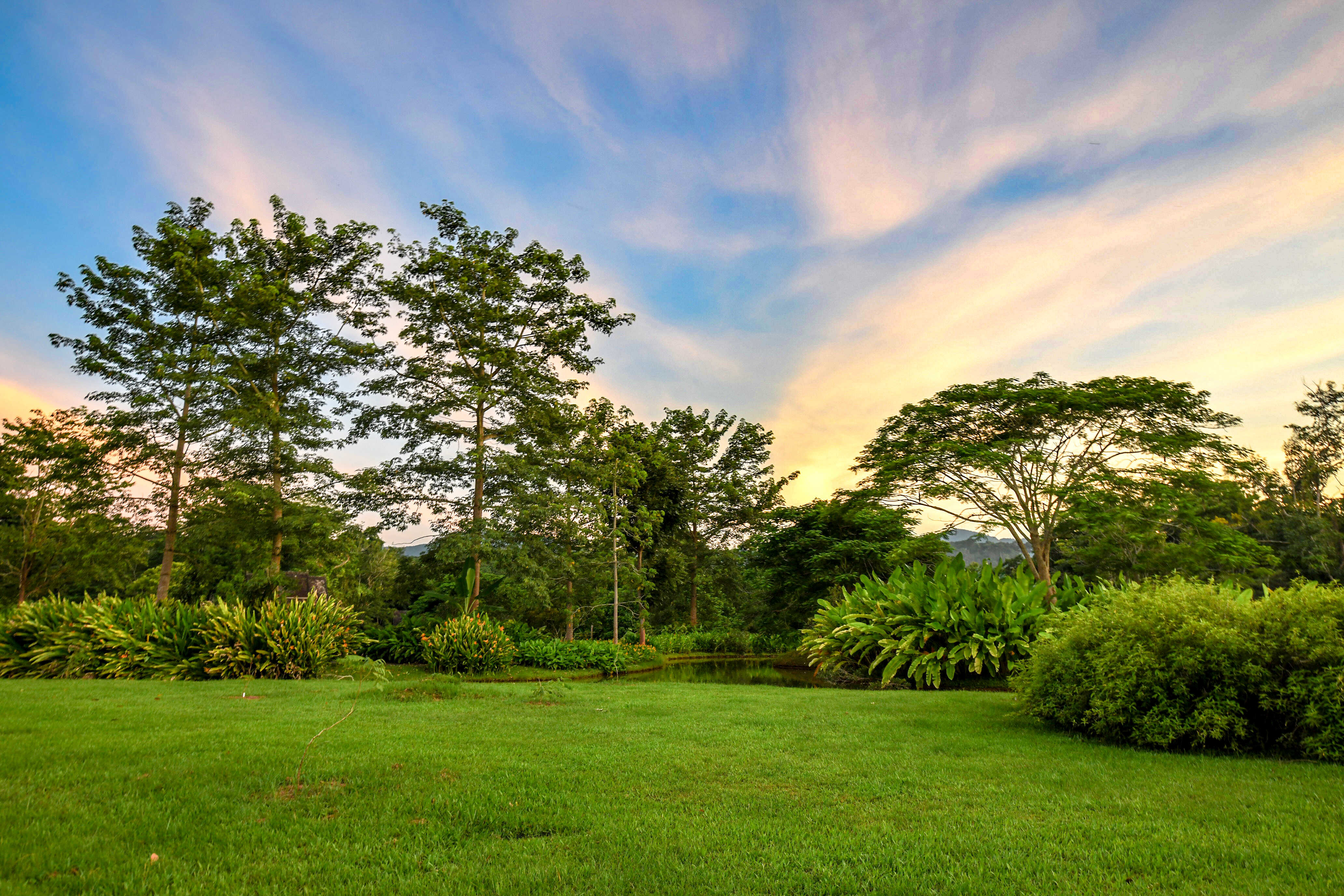 Naturalist Identity: A Key Driver for Biodiversity Conservation" title="Naturalist Identity: A Key Driver for Biodiversity Conservation" />
-
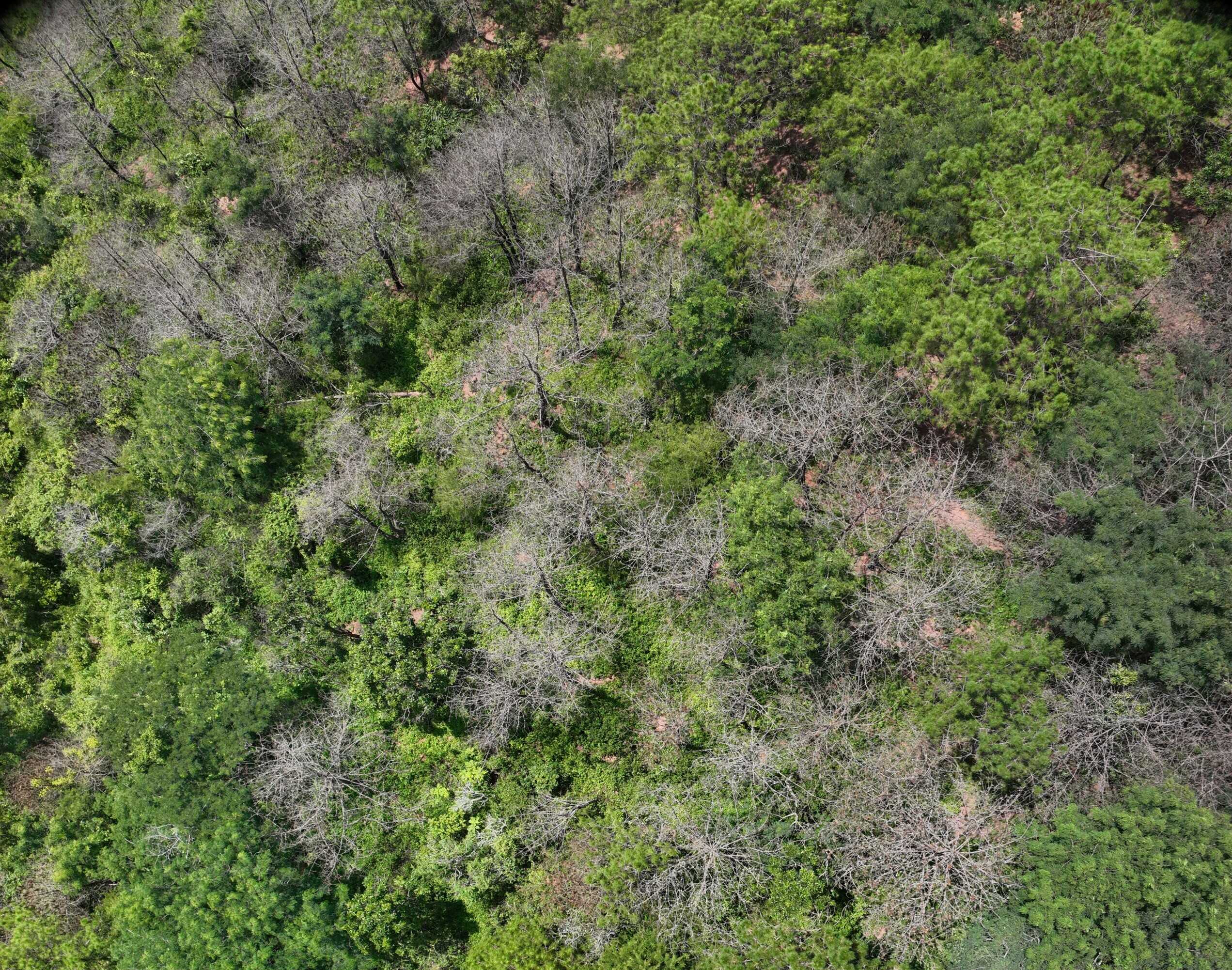
Forest Dieback Reflects Species-specific Vulnerability PathwaysResearchers from Xishuangbanna Tropical Botanical Garden (XTBG) of the Chinese Academy of Sciences have uncovered how two dominant pine species in Southwest China responded to the extreme drought of 2023. Their findings reveal that forest dieback is not a uniform phenomenon but shaped by species-specific vulnerabilities and local environmental conditions.May 19, 2026
-
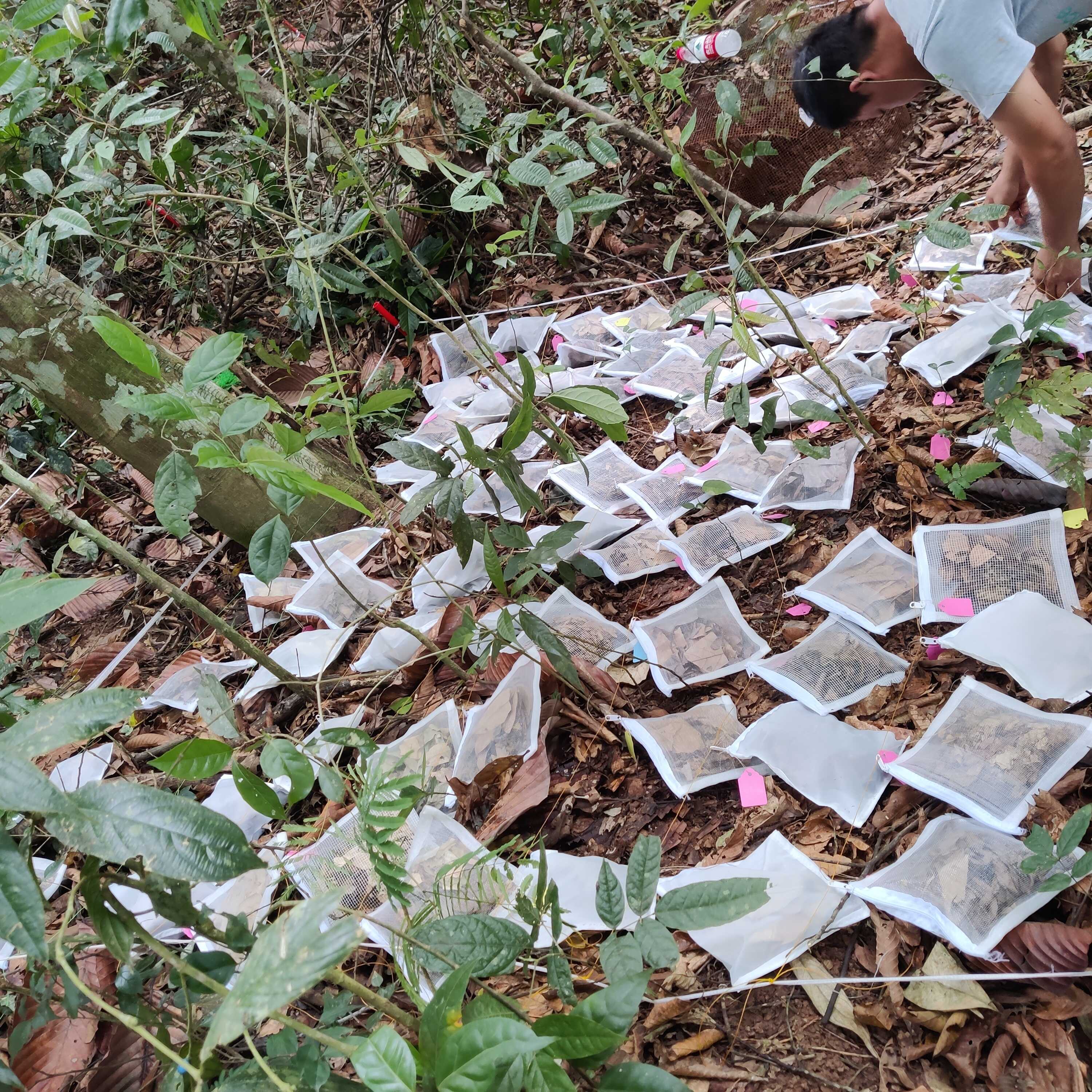
How Does Soil Fauna Interact with Litter Traits to Drive Decomposition?Researchers from Xishuangbanna Tropical Botanical Garden (XTBG) of the Chinese Academy of Sciences and their collaborators showed that macrofauna (large soil animals such as millipedes, woodlice, and earthworms) enhanced decomposition, but their activities weakened the predictive capacity of initial litter traits for decomposition dynamics.May 15, 2026
-
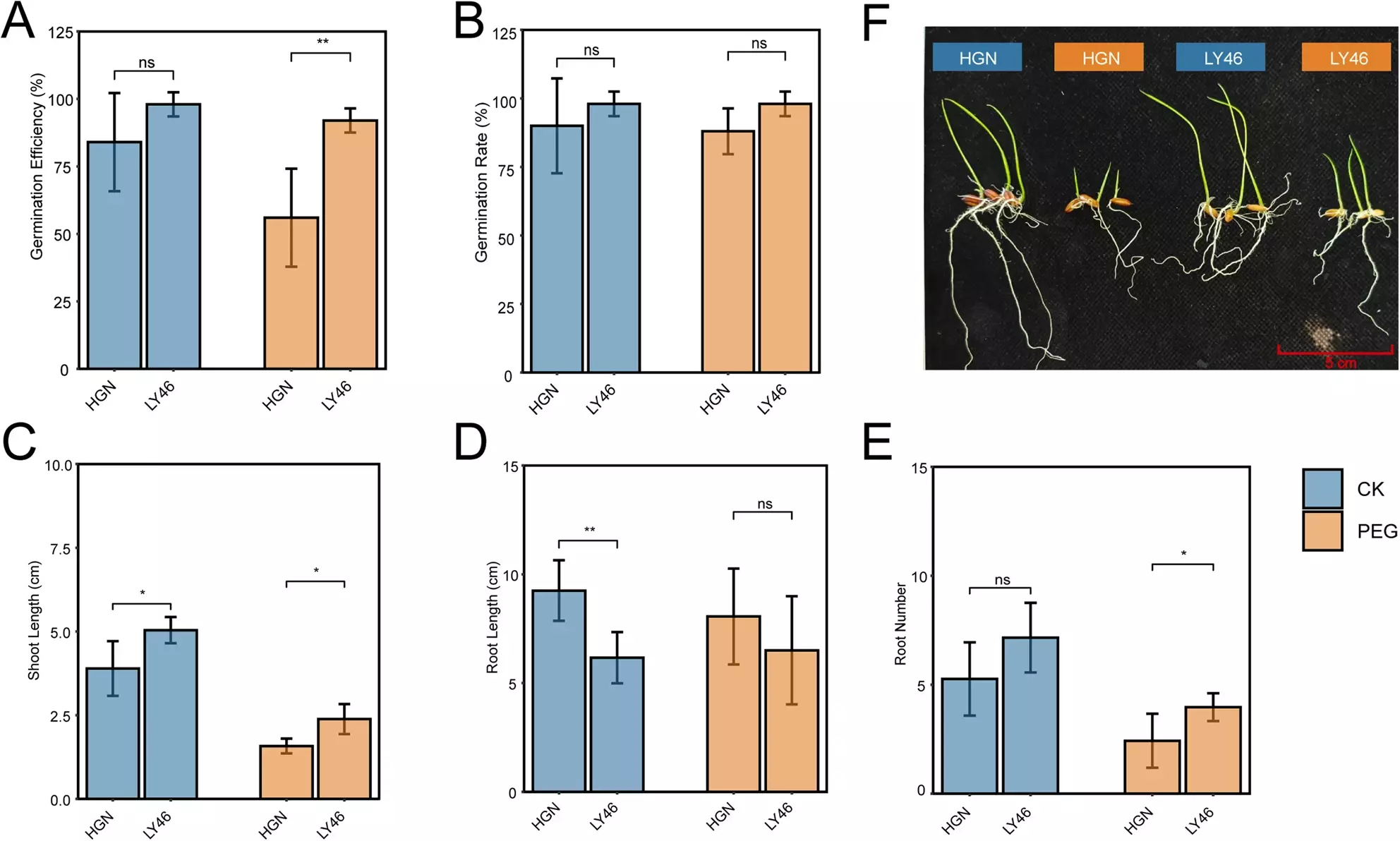
Study Reveals Key Metabolic Pathways for Rice Drought Tolerance During GerminationResearchers from Xishuangbanna Tropical Botanical Garden (XTBG)of the Chinese Academy of Sciences have identified the molecular and metabolic mechanisms that enable a drought-tolerant rice genotype, Luying 46 (LY46), to thrive under conditions that severely hinder a sensitive genotype, Haogenai (HGN). Their findings offer promising targets for breeding more resilient rice varieties.May 13, 2026
-
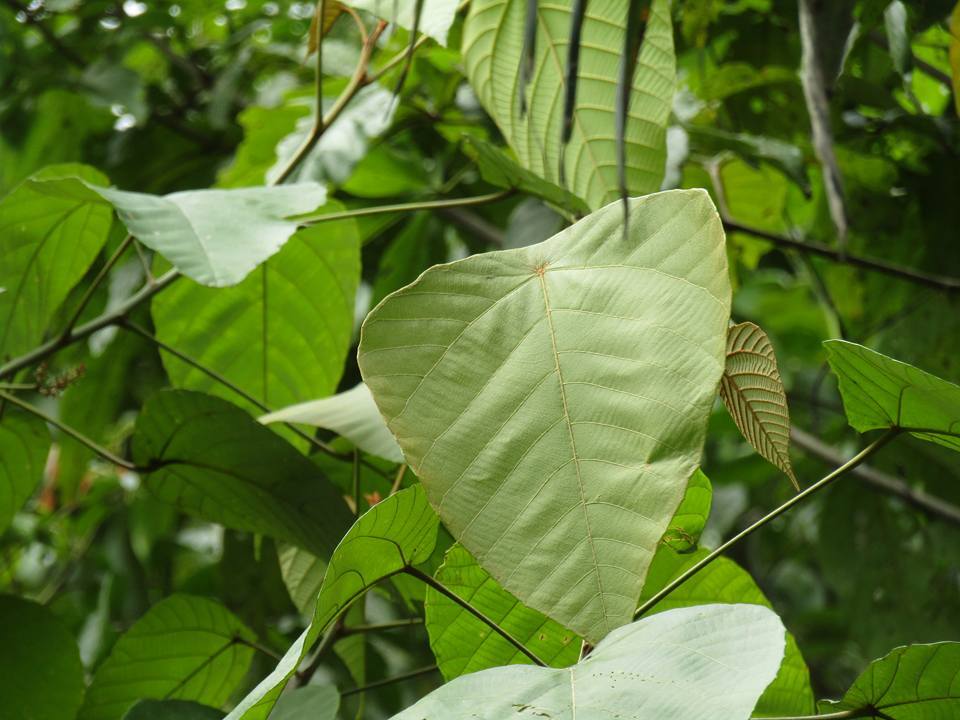
Genomes of Two Macaranga Plants Reveal Molecular Mechanisms of Nervonic Acid AccumulationResearchers from Xishuangbanna Tropical Botanical Garden (XTBG)of the Chinese Academy of Sciences and their collaborators have assembled the first chromosome-level genomes of two sympatric Macaranga species: Macaranga indica and Macaranga denticulata. Using multi-omics analysis, population genetics, phylogenomics, and molecular validation, the researchers revealed the molecular mechanisms underlying nervonic acid accumulation in Macaranga indica.May 12, 2026
-
Large Language Models Serve As Valuable Addition to Ecological Research ToolkitResearchers from Xishuangbanna Tropical Botanical Garden (XTBG) of the Chinese Academy of Sciences reveal that LLMs provide revolutionary tools for ecological research but require prudent implementation and regulatory management to maximize benefits while mitigating potential risks.May 11, 2026

-
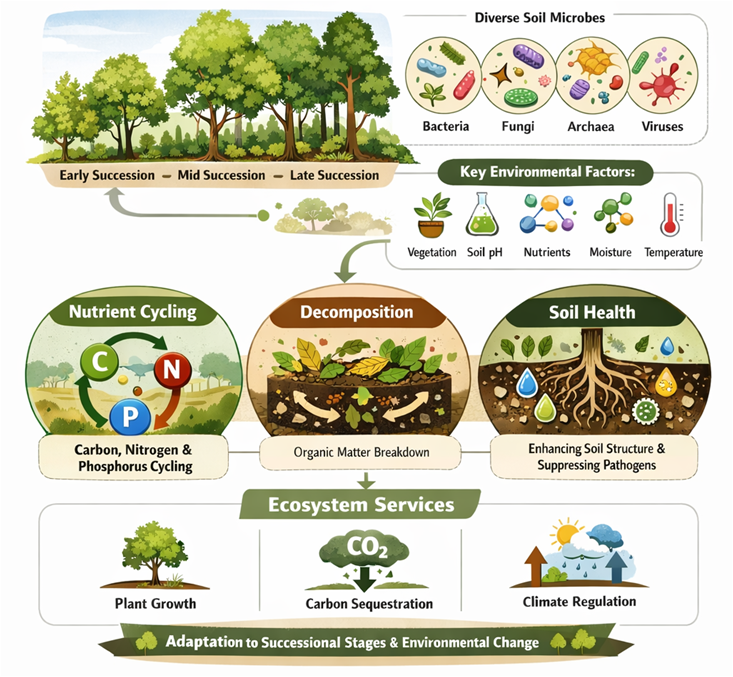
Succession Drives Coordinated Changes in Soil Nutrients and Microbial CommunitiesMay 11, 2026