-
Mangroves Survive Salt and Drought by Putting Hydraulic Safety FirstResearchers from Xishuangbanna Tropical Botanical Garden (XTBG) of the Chinese Academy of Sciences and their collaborators reveal that mangroves enhance hydraulic safety (rather than efficiency) through reinforced anatomical structures and pit architecture to adapt to saline environments. They build narrower, stronger vessels and adjust their microscopic pit structures to avoid fatal embolism under extreme saline and dry conditions.May 09, 2026
-
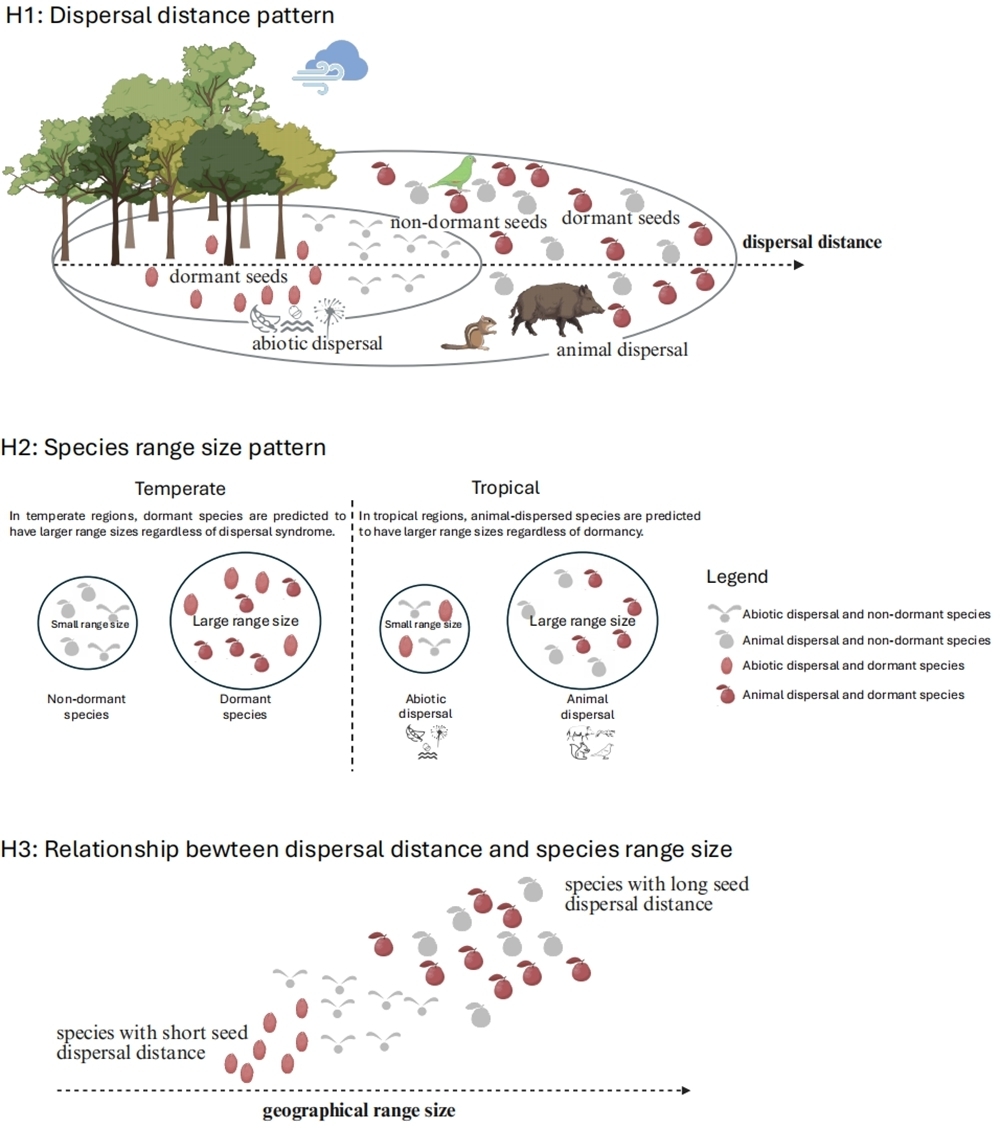
Seed Dormancy and Dispersal Jointly Shape Plant RangesResearchers from Xishuangbanna Tropical Botanical Garden (XTBG)of the Chinese Academy of Sciences and their collaborators show that the interplay between seed dormancy and dispersal syndromes shapes seed dispersal distance and species range size in climate-specific ways.May 07, 2026
-
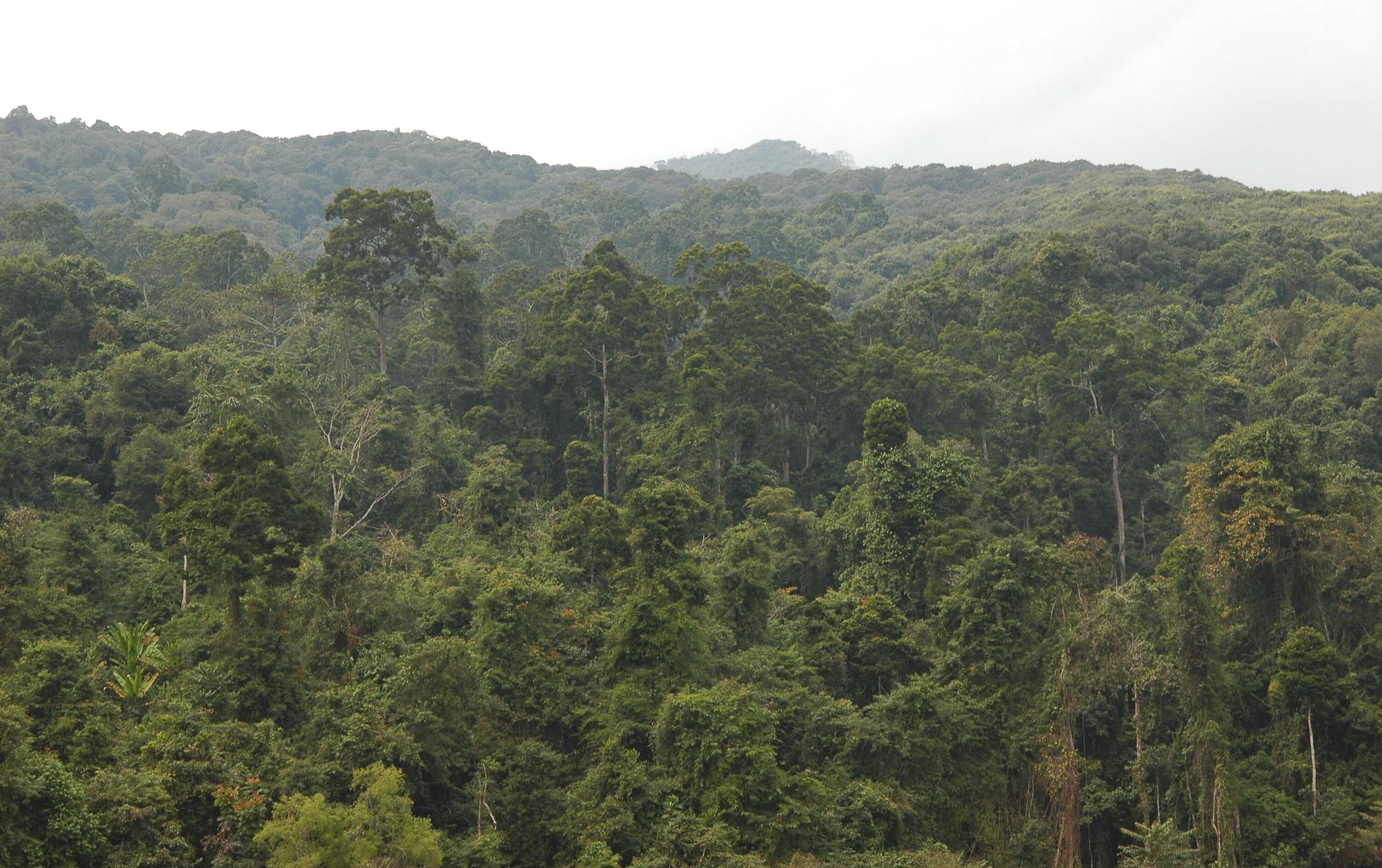
Forest Succession Shapes Soil Microbes Differently in Tropical and Subtropical ForestsApr 30, 2026
-
Floral Symmetry Closely Linked to Water Strategies in Flowering PlantsResearchers from Xishuangbanna Tropical Botanical Garden (XTBG) of the Chinese Academy of Sciences showed that floral symmetry is not only associated with pollinator specialization, but also with distinct physiological trade-offs in water transport, drought tolerance, and flower longevity. Actinomorphic (radially symmetrical) flowers and zygomorphic (bilaterally symmetrical) flowers follow fundamentally different hydraulic strategies to maintain floral stability and function during anthesis (the flowering period).Apr 28, 2026
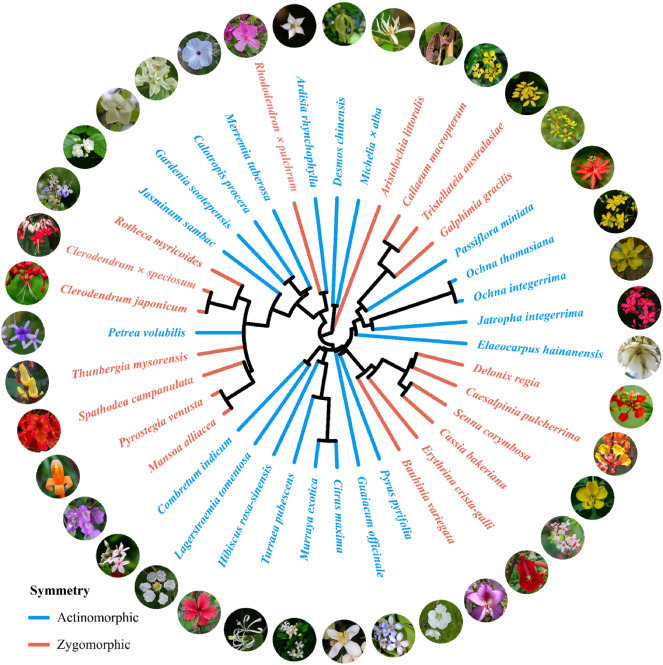 Floral Symmetry Closely Linked to Water Strategies in Flowering Plants" title="Floral Symmetry Closely Linked to Water Strategies in Flowering Plants" />
-
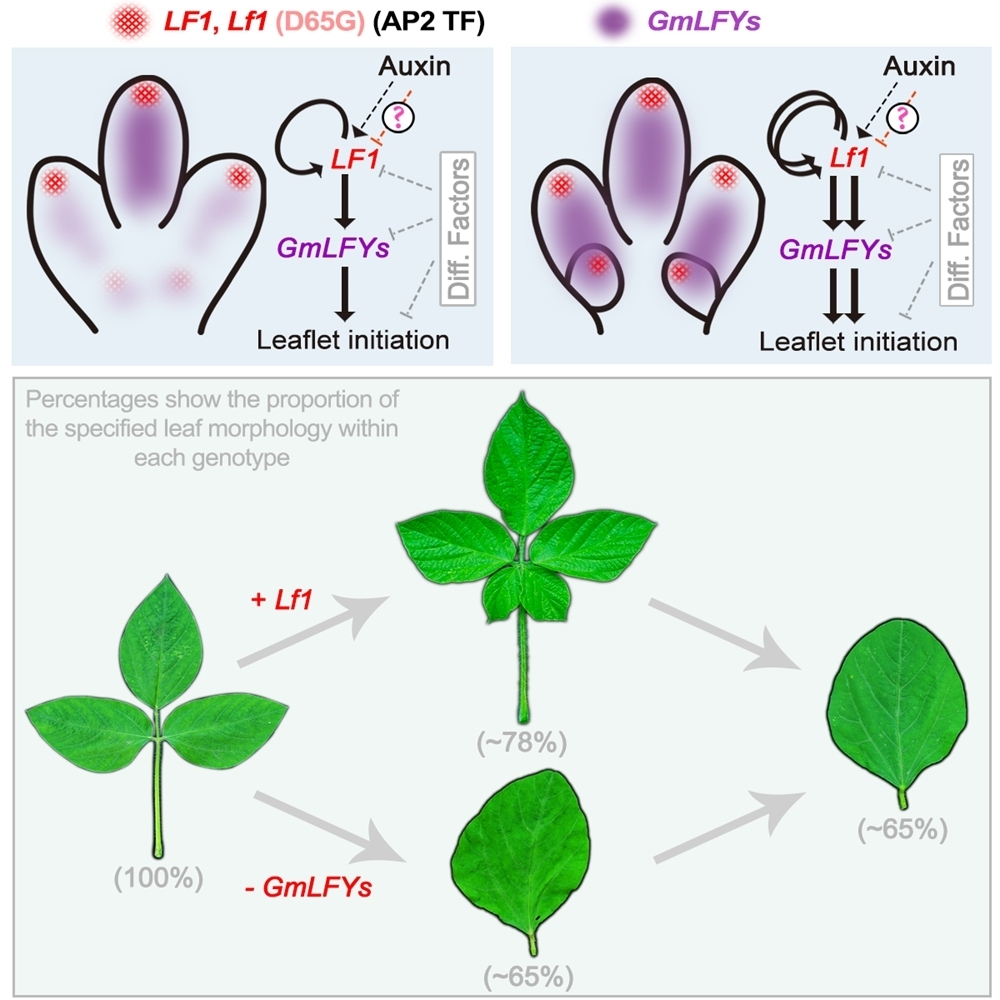
Researchers Uncover Key Regulator of Compound Leaf Development in SoybeanResearchers from Xishuangbanna Tropical Botanical Garden (XTBG) of the Chinese Academy of Sciences identified a key genetic switch that controls the number of leaflets on a soybean leaf. By activating this switch, they transformed the standard three-leaflet (trifoliate) leaf into a five-leaflet form, potentially boosting the plant’s photosynthetic capacity and overall productivity.Apr 23, 2026
-
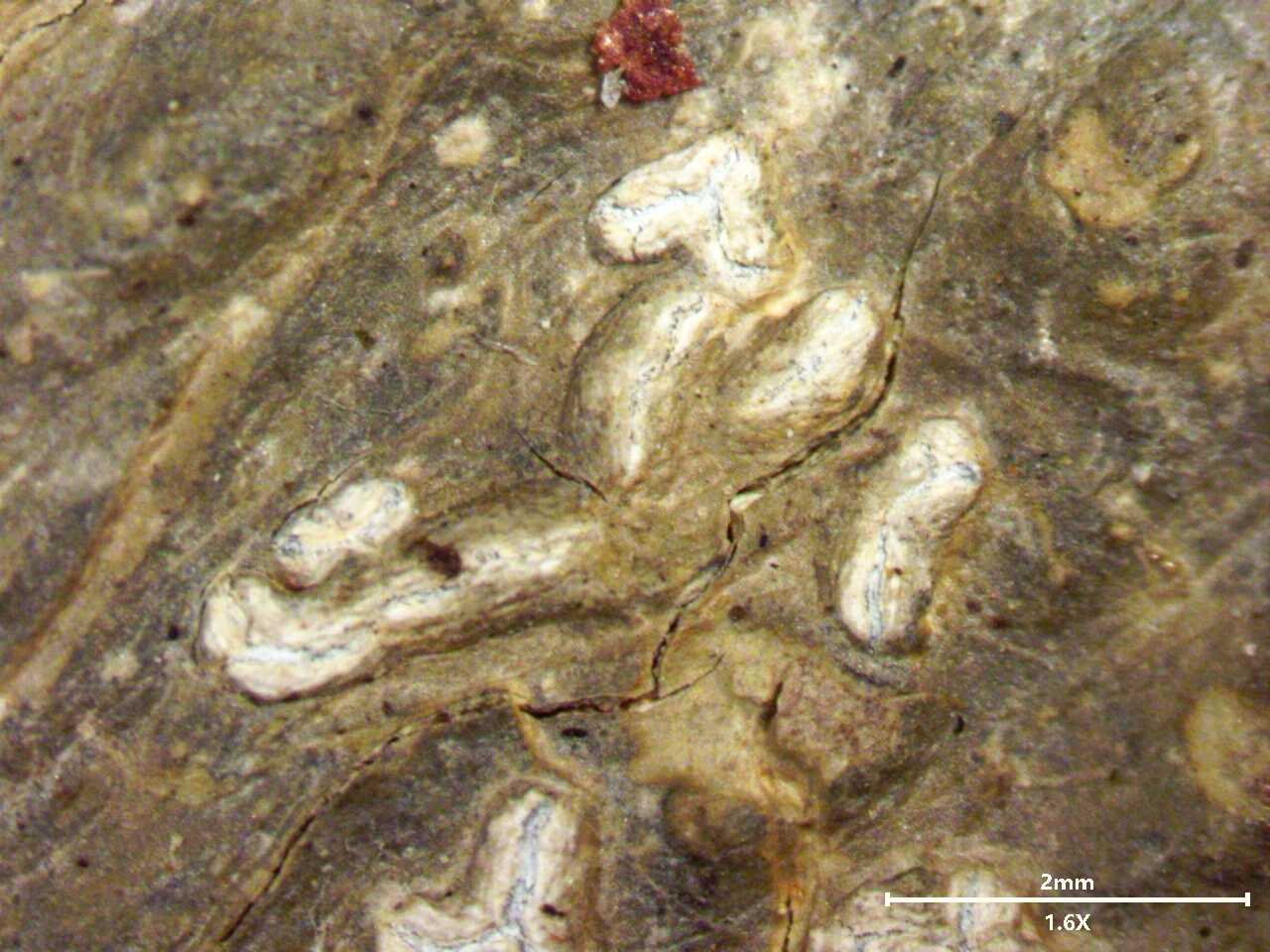
New Lichen Species Found in Southern ChinaResearchers from Xishuangbanna Tropical Botanical Garden (XTBG) of the Chinese Academy of Sciences and Liaocheng University have recently described a new species of lichen forming fungus from the subtropical forests of southern China, and reported another new record in China for the first time.Apr 23, 2026
-
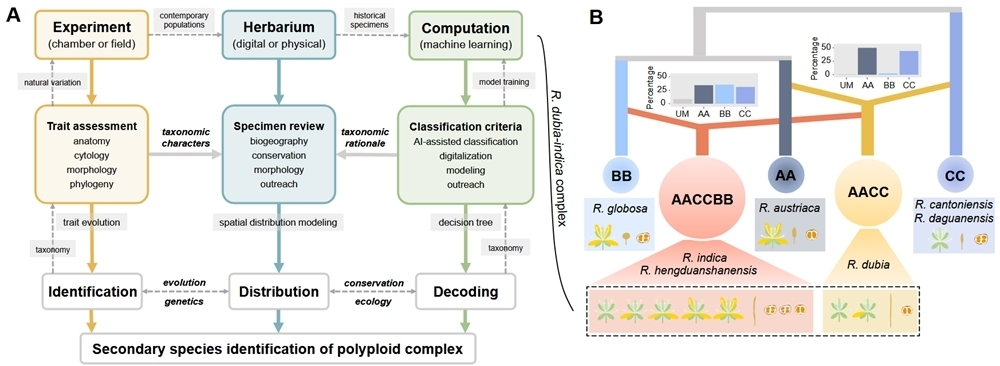
Researchers Develop Integrative Framework for Species Identification in Taxonomically Complex GroupsResearchers from Xishuangbanna Tropical Botanical Garden (XTBG) of the Chinese Academy of Sciences have developed a new framework that integrates stable trait analysis, herbarium re-examination, and computational modeling to accurately identify species within complex polyploid groups. The new framework reveals that up to 50% of historical herbarium specimens may have been misidentified, offering critical insights that could reshape conservation strategies for polyploid plants.Apr 20, 2026
-
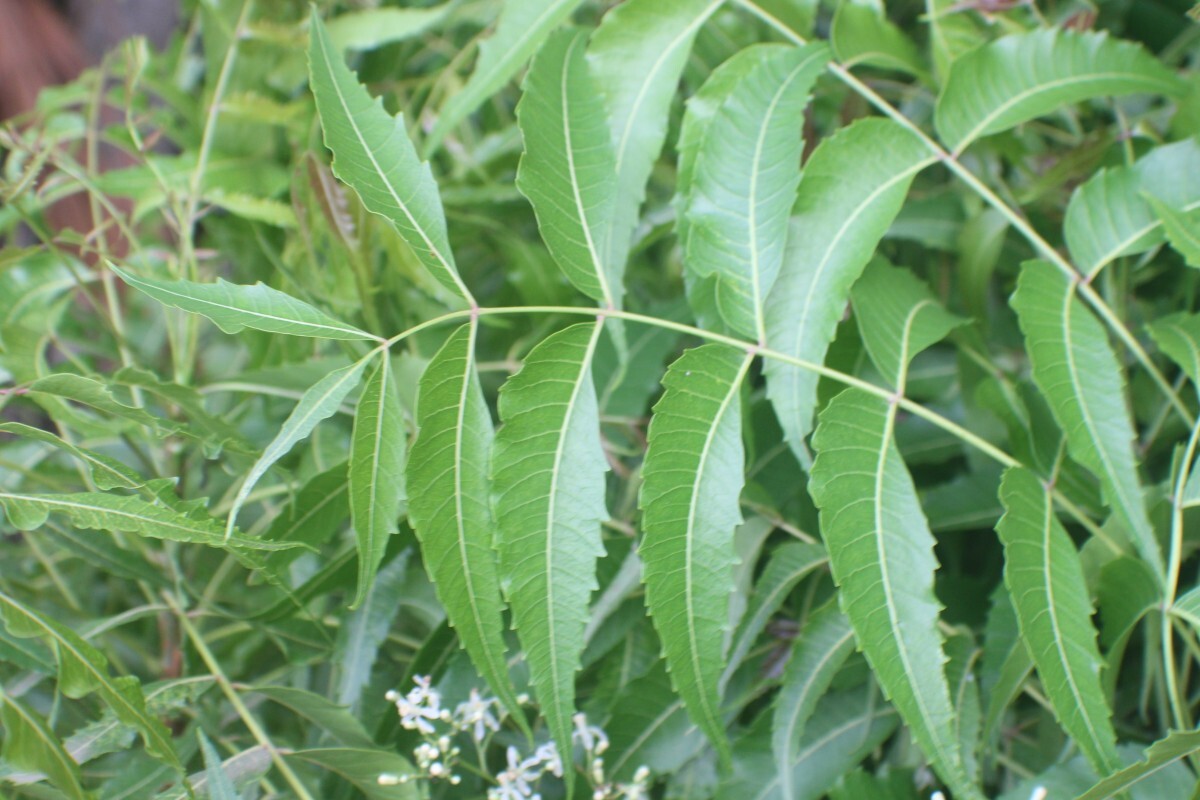
Study Reveals How Gene Loss Drives Terpene Diversity in MeliaceaeResearchers from Xishuangbanna Tropical Botanical Garden (XTBG) and Kunming Institute of Botany (KIB) of the Chinese Academy of Sciences have successfully assembled a high-quality genome of Aglaia odorata (commonly known as the Chinese perfume tree). Their findings reveal unexpected evolutionary mechanisms behind the plant’s exceptional terpene production, including a lineage-specific whole-genome triplication (WGT) event. The study shows how transcriptional upregulation can compensate for gene loss, ultimately driving chemical diversity.Apr 17, 2026
-
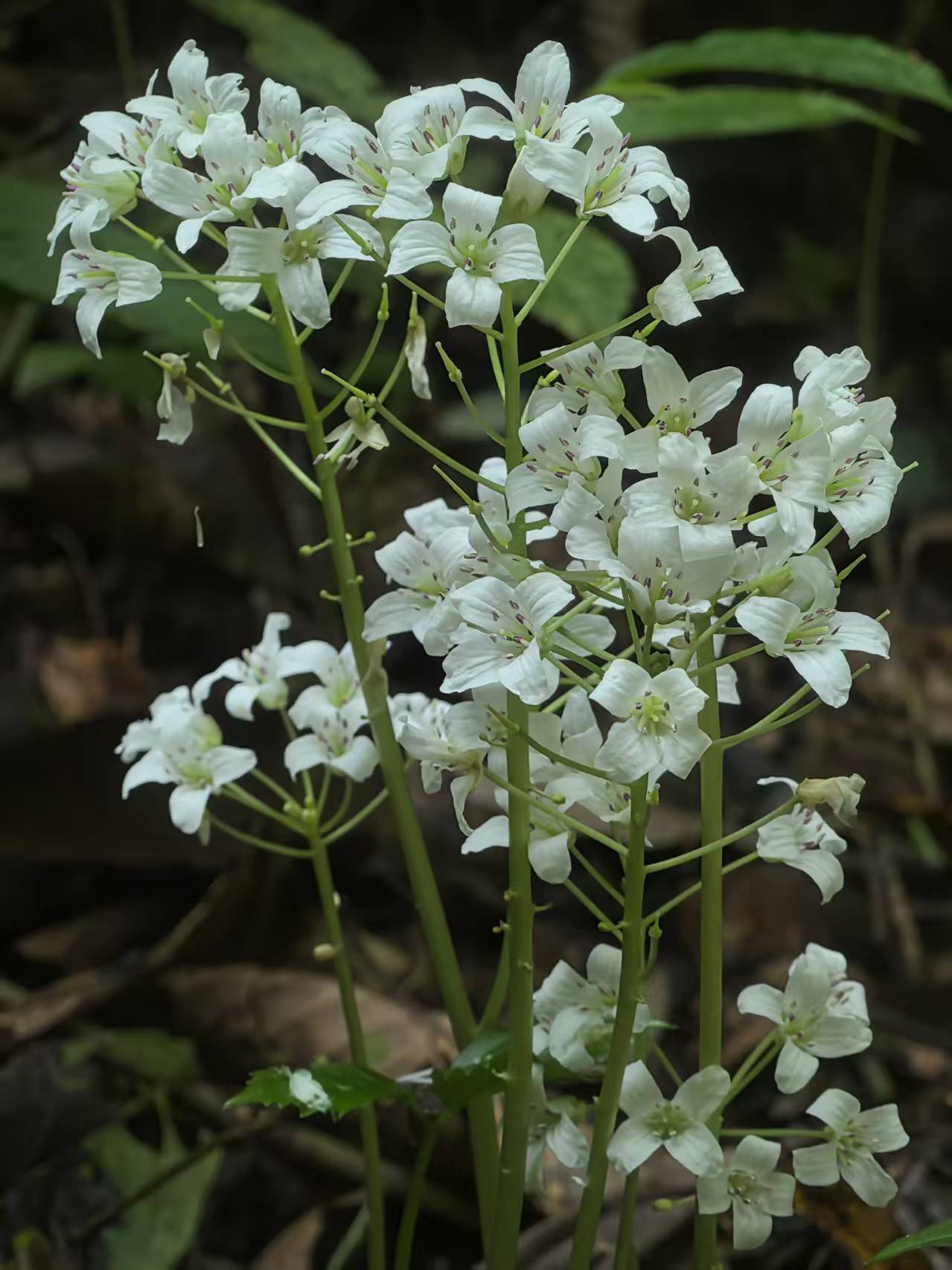
Rare White-Flowered Plant Rediscovered in Yunnan's ForestsIn a one-year baseline inventory of the vascular flora of Wenshan National Nature Reserve in southeastern Yunnan, researchers from Xishuangbanna Tropical Boanical Garden (XTBG) of the Chinese Academy of Sciences have rediscovered Cardamine cheotaiyienii since its 1940 collection.Apr 16, 2026
-
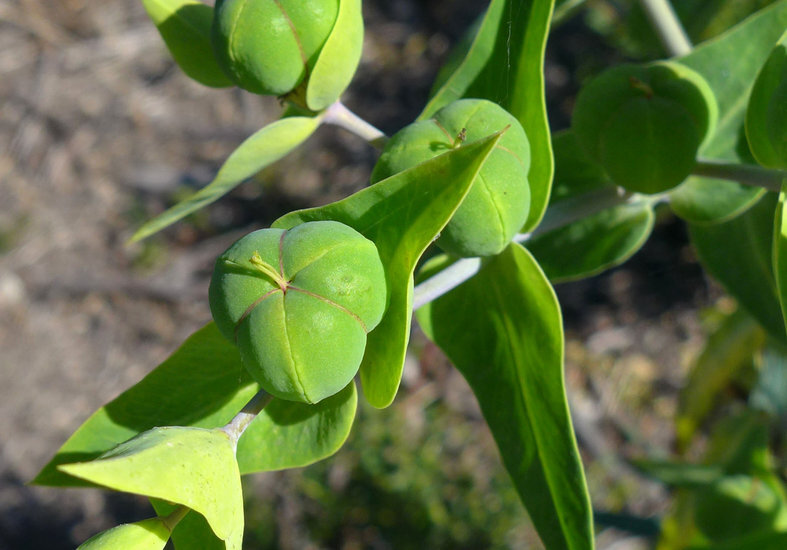
Study Reveals Molecular Mechanisms Limiting Natural Rubber Production in Caper SpurgeResearchers from Xishuangbanna Tropical Botanical Garden (XTBG) of the Chinese Academy of Sciences and their collaborators have constructed the first single-nucleus transcriptomic landscape of the caper spurge (Euphorbia lathyris), a latex-producing Euphorbia species with bioenergy potential. The high-resolution genetic map has uncovered the molecular mechanisms that limit the plant's natural rubber production.Apr 09, 2026
-
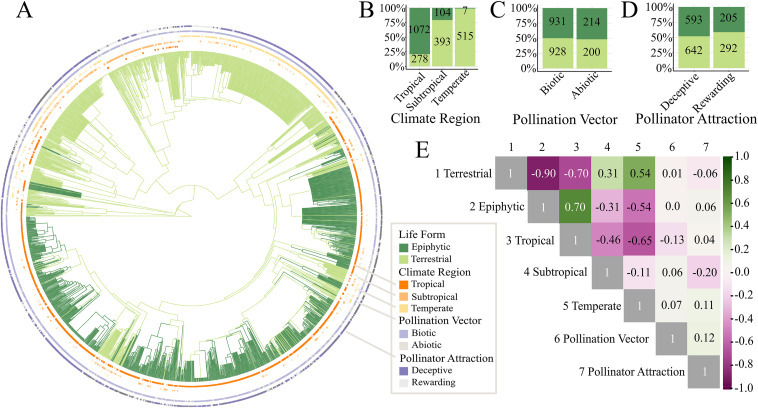
Species Evolution Drives Orchid Lifeform EvolutionIn a study published in Plant Diversity, researchers from Xishuangbanna Tropical Botanical Garden (XTBG) of the Chinese Academy of Sciences and Fujian Agriculture and Forestry University highlight the dominant role of evolutionary history in shaping epiphytic diversity and offer fresh insights for orchid conservation. They revealed that species evolution is the primary driver of whether orchids evolve as epiphytic (growing on trees) or terrestrial (ground-dwelling) plants.Apr 07, 2026
 Species Evolution Drives Orchid Lifeform Evolution" title="Species Evolution Drives Orchid Lifeform Evolution" />
-
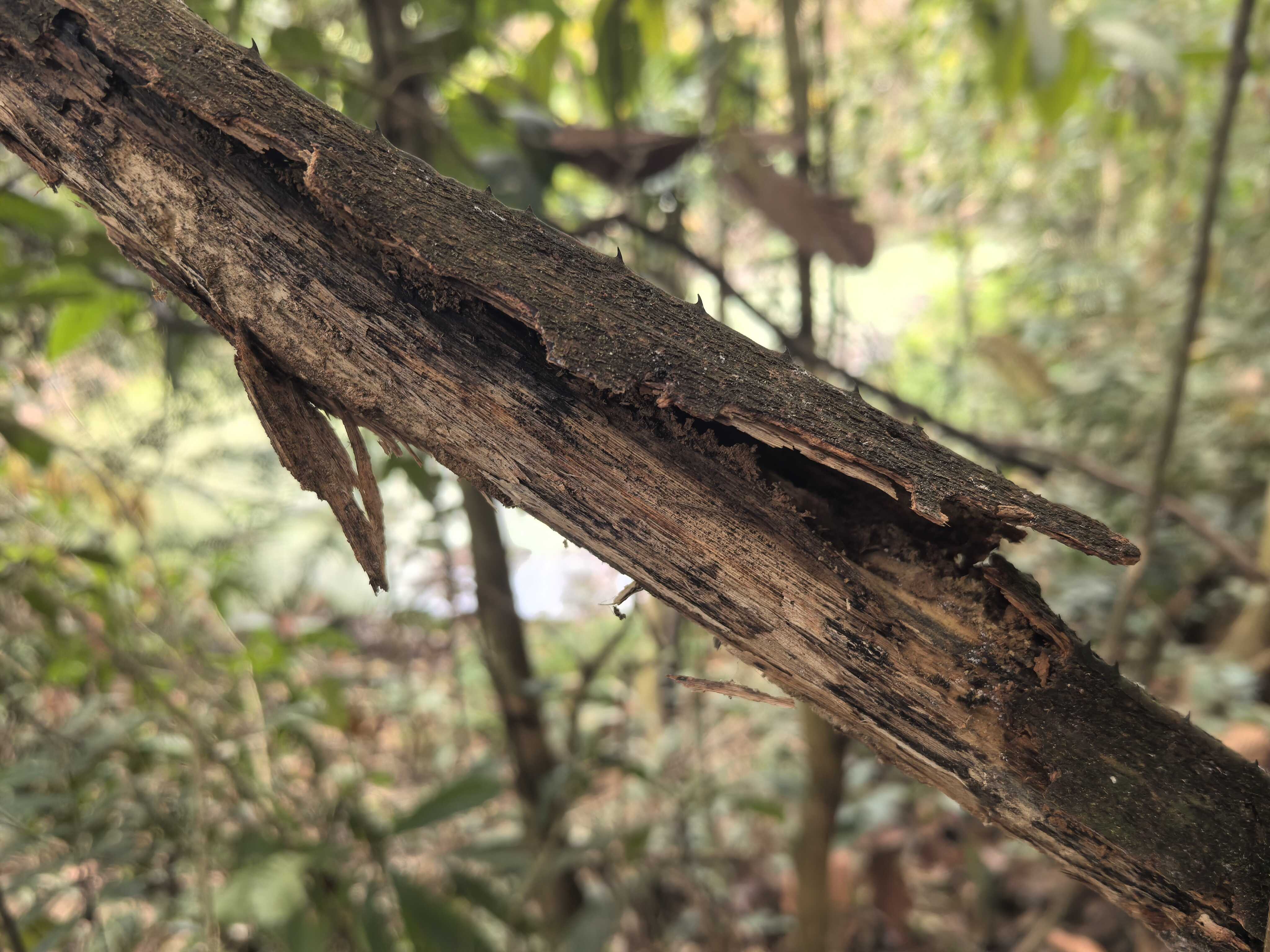
Lianas Decompose Faster Than Trees, with Potential to Influence Forest Carbon and Nutrient CyclesResearchers from Xishuangbanna Tropical Botanical Garden (XTBG) of the Chinese Academy of Sciences and their collaborators revealed that although lianas can accelerate decomposition, their bark presents a resilient barrier, creating a complex "double-edged sword" effect on forest biogeochemical processes.Apr 02, 2026